Ratgeber zur Herstellung von Fischkonserven
9. December 2022Read more

1. December 2023
Choosing the right work gloves and using them correctly are crucial factors in food production and the catering industry. Our hands are dexterous and, as such, an extremely important tool for our work. To preserve their invaluable utility, the protection they provide must not only be reliable but also a good fit. In the food industry, of course, work gloves also serve the purpose of ensuring the integrity of foodstuffs. To guarantee food safety and meet food hygiene standards, they must comply with certain requirements. This blog post provides an insight into the world of protective gloves in the food sector.
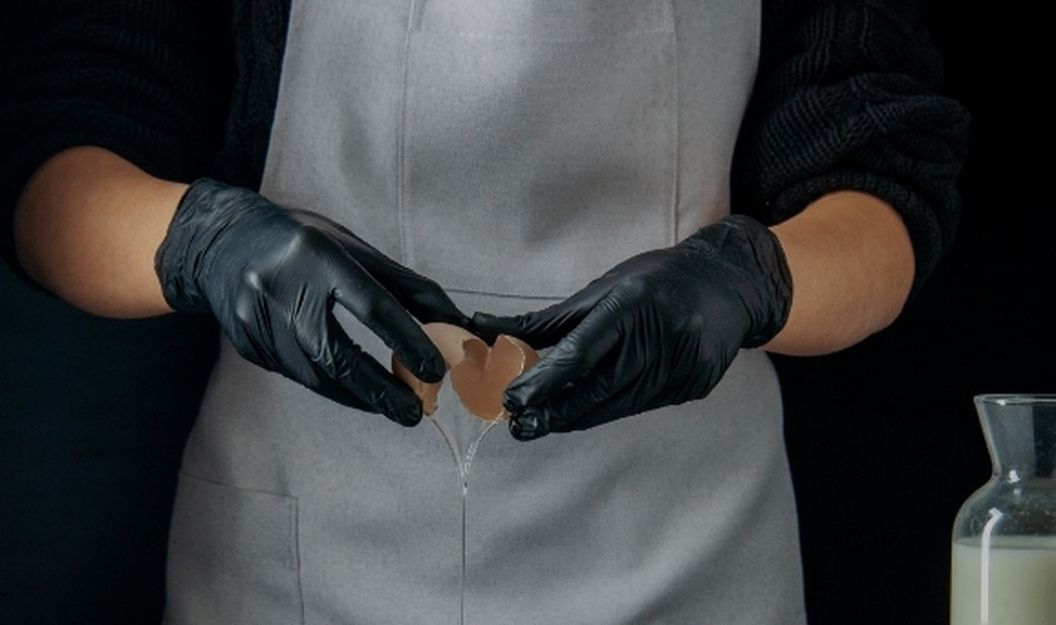
Gloves have to withstand a great deal in day-to-day work. To ensure that you can carry out your work reliably whilst keeping your hands protected, they should have a number of basic features:
A good fit is essential to ensure both dexterity and comfort. The gloves must be neither too tight nor too loose, and must offer a certain degree of flexibility. An ergonomically designed glove can help to counteract hand fatigue, thereby enabling even tasks requiring fine motor skills to be carried out over a long period of time.
The material of the gloves must be durable so that they do not wear out quickly. This applies in particular to gloves that come into direct contact with food. Food safety is an extremely important consideration, which will be discussed again below. Furthermore, the materials used in the gloves must fulfil the specific protective functions required by different working environments.
Unlike disposable gloves, which are airtight and need to be changed at regular intervals, good air circulation helps to regulate perspiration inside the gloves. This enhances comfort and safety when wearing protective gloves, even over long periods.
Particularly in environments where compliance with hygiene standards is crucial, gloves intended for repeated use should be easy, efficient and hygienic to clean. When disposable gloves are used in the food sector, the focus is less on cleaning and more on proper disposal.
Work gloves must comply with the safety standards and guidelines for personal protective equipment applicable to the area of use. In food production, additional standards apply if the gloves come into contact with food.
Strict hygiene regulations apply to the processing of food. Strict compliance with the HACCP plan also involves choosing the appropriate Foodwear Gloves that come into direct contact with food must meet specific requirements – after all, they are intended to protect not only the hands but also the food itself. And this protection is not limited to contamination from the hands. The food must also be protected from the materials it comes into contact with.
The key requirement for ensuring safety and hygiene when handling food is food safety:
The gloves must be made exclusively from materials that do not transfer harmful substances to food. For example, EU Regulation 1935/2004 sets out requirements for materials and articles intended to come into contact with food in order to ensure their safety. EU Regulation 10/2011, which specifically covers plastics intended to come into contact with food, is also relevant here. The glass-and-fork symbol is used throughout the EU to identify materials that are suitable for use in contact with food. The suitability of the materials also relates to their ability to withstand contact with fats, oils or acids, for example.
The various production processes and manufacturing methods in the food industry give rise to a wide range of requirements. On the one hand, these relate to the integrity of the food; on the other, to the health and safety of staff. Food-grade gloves can offer protection against a variety of factors. For example:
cold protection: For work in cold stores or with deep-frozen products.
Heat resistance: Important in areas where hot food is handled or where work is carried out on hot surfaces.
Cut protection: When handling sharp knives, other tools and equipment, or sharp edges.
Water resistance: For work involving liquids or in damp environments.
Whilst this protection primarily relates to the safety of staff, the following serve to Disposable gloves in particular food safety. Disposable clothing is used in work areas with high hygiene standards. Single-use items and frequent changing of gloves prevent contamination and the uncontrolled spread of germs, and help to prevent Cross-contamination before.
However, not every type of disposable glove is suitable for every foodstuff. For example, when handling greasy or oily foods, harmful plasticisers from vinyl gloves can be transferred to the food. Here, too, it is therefore essential to check very carefully whether the work gloves are suitable for their intended use. Food-grade disposable nitrile gloves, for example, offer a wide range of applications when handling food.
There is far more to the availability of work gloves in a wide range of colours than simply personal taste. Using a specific colour for each work area can help to identify different types of gloves for particular stages of production, thereby streamlining work processes and significantly supporting food safety.
By the way: Have you ever wondered why gloves used in food production are so often blue? Blue is very rarely found in the natural colour spectrum of food. If a glove goes missing during production, its colour makes it stand out clearly, so it can be found quickly.
… and that doesn’t just apply to our extensive range of gloves, where you’ll find the right product for every job. From high-quality food-grade clothing and efficient equipment and machinery right through to spices and packaging, our comprehensive range offers everything needed in terms of equipment for food production or the catering industry.
You shouldn’t leave the provision of adequate, high-quality supplies and consumables to chance. As an experienced supply chain specialist in the food industry, we are happy to support you as a reliable specialist wholesaler. Please get in touch so we can discuss how we can provide you with tailored support for your specific needs.

More articles