Fermentieren
9. May 2025Read more

7. June 2024
Vinegar is as versatile as it is popular, and it has become an indispensable part of the food industry. A wide variety of dishes benefit from its distinctive tang. But apart from its delicious flavour, there is a great deal more to know: what types and varieties are there? How is vinegar made? Why is fermentation necessary? What other benefits does consuming it bring? This blog article explores the various questions surrounding this ‘sour delight’ – and Ehlert’s guidance on its targeted use.

Vinegar consists of acetic acid and water. As part of the Acetic fermentation Acetic acid bacteria convert alcohol into vinegar – so far, so simple. Nevertheless, it takes a certain amount of time and a specific process for high-quality vinegar to develop its full potential. The ratio of acid, alcohol and oxygen, as well as the fermentation temperature, must be just right. Otherwise, there is a risk of undesirable by-products and a loss of flavour and aroma. The correct acidity can also prevent pest infestation. The duration of the production process varies from one variety to another.
There are various production methods in which the required oxygen is added in different ways:
In the The Orléans method or surface method the container in question, which contains alcohol and acetic acid bacteria, is left open. The surface of the liquid is therefore in direct contact with oxygen. However, only the surface is exposed, which can lead to inconsistent and inaccurate results.
The Submersion process, also known as Acetation process It is well known that the bacteria also colonise beneath the surface. Pure oxygen is fed into the mixture. Overall, this results in significantly greater controllability, which is why the process is largely favoured in industrial production – at least for low-viscosity types of vinegar.
Finally, there is also the Restraint procedures possible. In this process, the bacteria ‘attached’ to a carrier are only brought into contact with the fermentation medium at certain intervals. In the meantime, oxygen uptake is possible without leading to a shortage of alcohol. This method makes it particularly easy to achieve the right balance between the various necessary components, which is why it is also used in home brewing.
Fermentation, or the production of alcohol, is therefore essential for making vinegar – and the source of this alcohol influences the type of vinegar that is ultimately produced: fruity apple cider vinegar is made from cider, wine vinegar from wine, and so on. There is a wide variety of different types of vinegar, each suitable for different purposes, such as seasoning. For example:
Red wine vinegar: Just like red wine itself, this type of vinegar has a deep red colour and an intense flavour – as it retains many of the flavors of the original wine. This makes fruity wine vinegar particularly well suited to meat dishes or rich sauces and vinaigrettes.
Brandy vinegar: This involves the fermentation and distillation of alcohol, which can come from various sources, such as cereals, potatoes or sugar cane. It has a relatively neutral flavour, which is why it forms the basis for various types of vinegar. However, spirit vinegar is also often indispensable for pickling or marinating.
Herbal vinegar: An aromatic variety made with spirit vinegar. To give it its herbal flavour, it is sometimes flavoured with dill, Pepper, bay leaf and aniseed. This well-balanced blend makes this variety a versatile choice for seasoning salads, marinades and dressings.
Wine and spirits vinegar: True to its name, this product is made from wine and brandy. Its colour indicates whether it is made from white or red wine. It is characterised by a subtle acidity, which gives it a complex flavour. It is ideal, for example, for enhancing sauces and marinades.
Vinegar essence: Unlike vinegar, vinegar essence is significantly more concentrated. As well as for preserving food, it is also used for cleaning. When used with food, it is best to dilute it heavily.
Of course, there are many other varieties, such as fruity apple cider vinegar, sweet balsamic vinegar, full-flavoured malt vinegar and Asian rice vinegar. The range is wide, and specific types of vinegar are used for many different dishes.
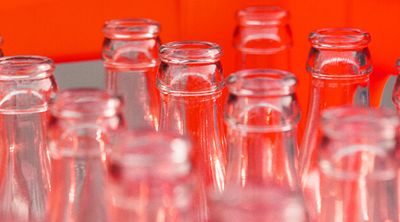
Anyone looking for a best-before date on vinegar packaging will not find one. This is because vinegars are generally sold without a best-before date. This is due to their natural preservative properties, such as their high acidity and stable composition. It is not without reason that vinegar itself is used as a Food preservation used. If stored correctly – ideally in a tightly sealed container in a dark place – vinegar will keep for a long time. Reliable packaging is essential for this.
A glance at our range of vinegars shows that wine vinegar and similar products always feature a percentage. Why? To indicate the acetic acid content. This affects both the intended uses and the flavour. Higher percentages are associated with a sharper flavour and, at very high concentrations, also with recommendations for dilution.
As well as its many uses, vinegar also offers health benefits. Consuming it can have a positive effect on digestion by stimulating it and killing harmful bacteria. By boosting the metabolism and curbing the appetite, it can help with weight loss. Furthermore, vinegar has antibacterial and anti-inflammatory properties, which is why it also aids wound healing. Its ability to regulate blood sugar levels makes it a helpful ally in the fight against diabetes.
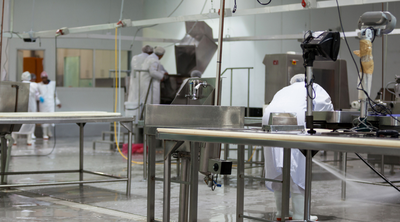
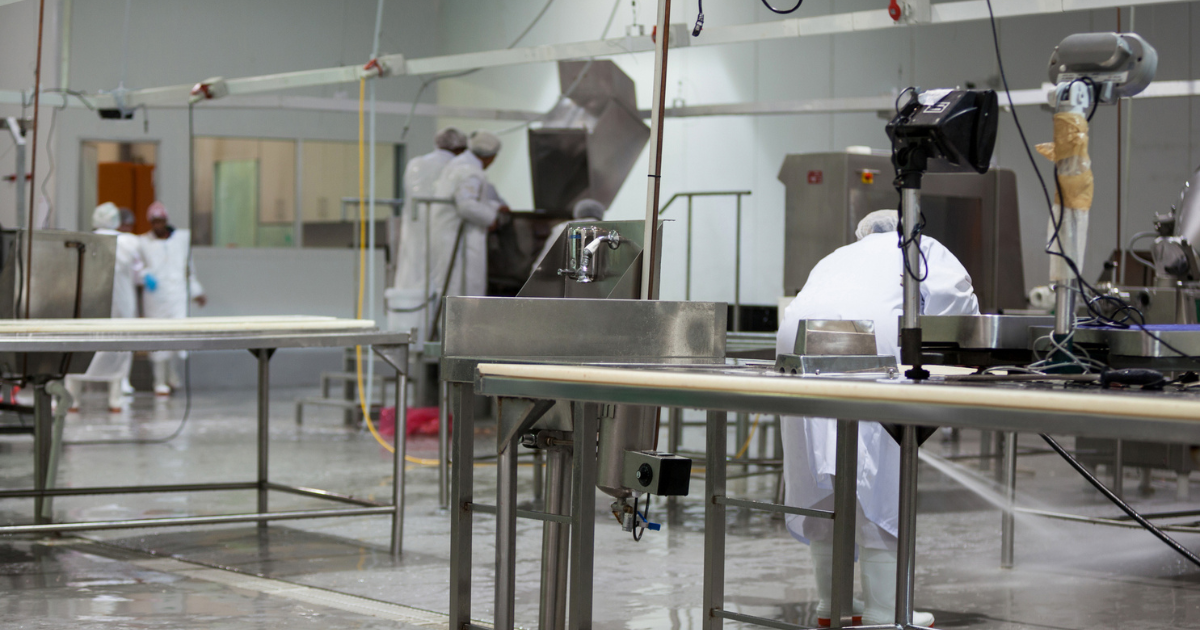
Whilst a bottle of vinegar may last quite a while in domestic use, different standards apply in the food processing industry. That is why some of our vinegars and vinegar essences are available in large canisters – for example, in 600-litre canisters. Whether used as a preservative, a flavouring agent for seasoning or a cleaning ingredient – with Ehlert, you’re in good hands!
As with all the products in our range, you can look forward to high quality and reliability. We know what matters and have the right products to meet the various challenges of the food industry.


More articles