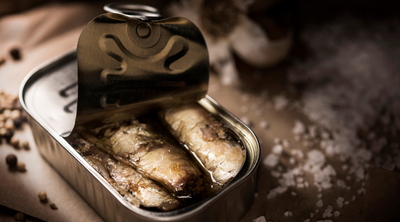
Ratgeber zur Herstellung von Fischkonserven
9. December 2022Read more

6. December 2024
Although chocolate is enjoyed throughout the year, it really comes into its own around Christmas time: chocolate figures, gingerbread and biscuits are just a few examples of all the chocolatey treats that sweeten the cold season for us. As a luxury food, chocolate is an integral part of the food industry. This blog post provides a wealth of interesting information on the production and variety of chocolate, as well as health aspects and current trends. It also answers the question of why the chocolate St Nicholas figure costs more this year.

The basis of traditional chocolate is the cocoa bean, which is mainly grown in tropical regions such as West Africa, South America and South-East Asia. The cocoa bean is quite sensitive, which is why consistent growing conditions are essential to ensure that the bean can complete its journey to the finished product:
Harvest: It begins with the harvesting of the cocoa pods as soon as they are ripe. A ripe pod is usually yellow to reddish-brown in colour and contains between 40 and 50 purple beans.
Fermentation: Almost immediately after harvesting, the cocoa pods are cut open and spread out under cover. Thanks to their sugar content, fermentation begins rapidly and the pulp breaks down. In the process, many of the bitter compounds disappear – otherwise, at this stage, cocoa would have little in common with a sweet treat in terms of flavour.
Sorting: The beans are then usually graded and sorted using machinery. The subsequent stages often take place in the countries where the chocolate is ultimately produced.
Roasting: Following fermentation and drying, and upon arrival at the processing site, cleaning and roasting are the next steps. Industrially, this is usually carried out using roasting machines at temperatures of up to 150 degrees. The Maillard reaction begins, producing the classic cocoa flavours that are so widely appreciated.
Grinding: The shells have already been cracked open during roasting; they are now removed by a stream of air to prepare the beans for grinding. The result of this process is the release of the cocoa butter, which is largely in a liquid state.
Pressing and mixing: To break down the coarser particles remaining in the cocoa butter, the mixture is pressed using a roller. It is usually at this stage that other ingredients, such as sugar, milk powder or various flavors, are added.
Conching: As the mixture is now neither liquid nor creamy, the next step is conching. In practical terms, this means that the mixture is heated and stirred continuously. This takes around 24 hours and has a significant influence on the subsequent quality of the chocolate, as it is during this process that the velvety mouthfeel is created.
Depending on the brand, recipe and type of chocolate, the production process – from the bean through to the cocoa butter and chocolate mass, and finally to the bar – can vary.
There is a wide selection of chocolate confectionery: as well as chocolate coating, there are flavours such as nut, Pistachio (such as the currently popular Dubai chocolate), yoghurt, fruit or crunchy flakes. The main categories include, above all, the classics: milk chocolate, dark chocolate with a high cocoa content, and sweet white chocolate. In addition, chocolate coating for baked goods and the like, as well as chocolate powder in its various forms, are in high demand. As is well known, alongside its pure form, the various varieties are all too often used in baked goods such as cakes and biscuits, in muesli bars, in desserts such as ice cream, or in nut-based treats.
Many people love chocolate and can hardly get enough of it. However, as the term ‘luxury food’ suggests, it should be enjoyed in moderation. Then even its positive aspects can come to the fore. Dark chocolate, such as extra dark, in particular, contains a wealth of health-promoting flavonoids. These are said to protect the skin from UV damage and help in the fight against cardiovascular diseases. It may even improve blood circulation. The methylxanthines it contains are also thought to lower cholesterol levels and improve heart and lung function. Dark chocolate also contains trace elements of zinc, magnesium and iron. Research is also being carried out to investigate whether chocolate lifts the mood. Last but not least, chocolate provides a quick source of energy, which can be helpful, for example, in cases of circulatory problems.
Dark chocolate is ultimately the healthier option when it comes to eating chocolate. But as long as you stick to a healthy amount, chocolate is a treat that you simply have to have every now and then.
A trend has emerged in the food industry this year which, unfortunately, means higher prices for milk chocolate, couverture and similar products for both manufacturers and customers. Due to weather conditions such as drought and heavy rain, as well as plant diseases, this year’s cocoa harvest is significantly poorer. As a result, the price of cocoa rose to a record high in April. Although it has since fallen slightly, it remains at a consistently high level, which is still driving up prices for both production and retail.
Whether you want to make classic chocolate treats such as milk chocolate or couverture, or try your hand at vegan alternatives based on Plant-based milk and so on: reliable equipment remains the key to success. This also applies to unusual varieties with swicy Grades, or for particularly ethically produced varieties.
Gustav Ehlert GmbH stands by food producers even in times of crisis, supporting them with tailor-made equipment, high-quality food ingredients and years of specialist expertise – so that their recipes can be even better.

More articles
Design: The now liquid chocolate mixture is poured into the desired mould and runs along a gently vibrating conveyor belt to prevent bubbles from forming. Next, pattern crystals are added. This is necessary to prevent an unwanted fat bloom from forming. After that, the chocolate is cooled and removed from the mould.
Packaging: The final step before moving on to the sweets shelf is the Packaging. This, too, is done to achieve an ideal Preservation automatically and as efficiently as possible.