Essig: Von Säure und Raffinesse
7. June 2024Read more

21. April 2023
When it comes to the future of food, various factors come to the fore: Which foods can be grown using few resources – ideally locally? Are they still nutritious and tasty? And do they perhaps even give something back to the soil? Pulses are the answer to all these questions. What’s more, they are a true superfood that scores highly for diversity and sustainability. Reason enough to take a closer look at these supposed all-rounders.
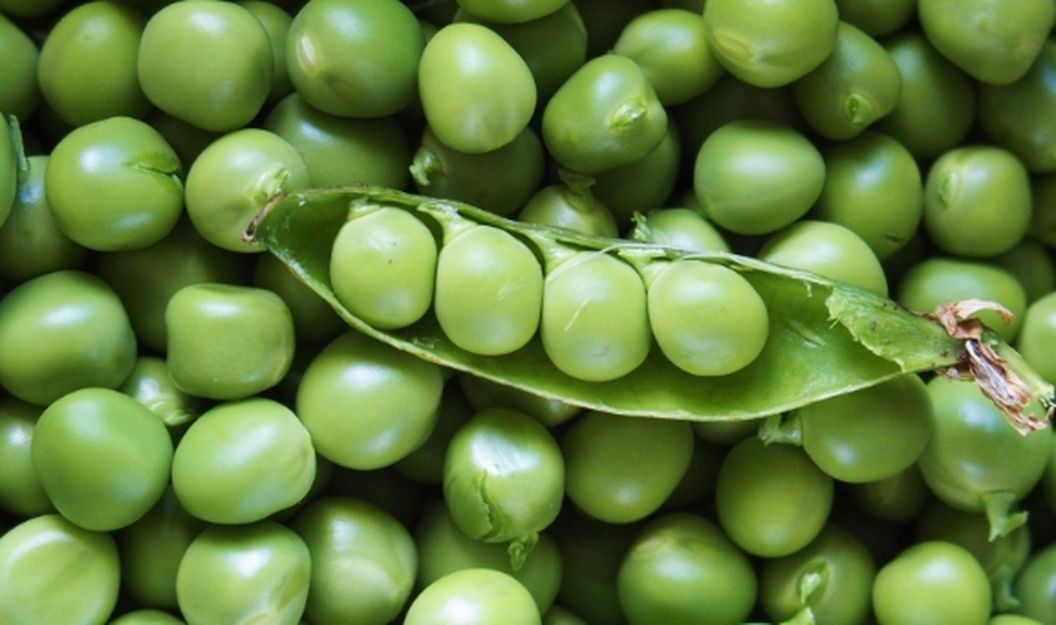
The term ‘superfood’ conjures up images of very healthy foods – and for this reason, it is a perfect fit for pulses. They’re packed with a wide range of valuable components and nutrients: proteins, fibre, B vitamins, minerals (e.g. iron and potassium), folic acid and antioxidants. As a plant-based source of protein, they are the undisputed frontrunners. Protein is needed to build and maintain muscle, and it also keeps you feeling full for longer. This makes pulses a useful, low-calorie part of your diet – even when you’re on a diet. When eaten, they cause blood sugar levels to rise only slowly, which is why lentils and other pulses should not be missing from the diet of people with diabetes. Research even suggests that pulses can help to lower cholesterol levels.
Not all pulses are the same – after all, there are over 20,000 species in their raw form! A few classics that crop up time and again are as follows:
Peas: Like all pulses, peas are an excellent source of fibre, protein and various vitamins and minerals. The umbrella term ‘pea’ covers numerous varieties, ranging from green peas to snow peas.
Chickpeas: One particular type of pea is the chickpea. It is widely and frequently used, and in dishes such as hummus or falafel, it provides tasty food not only for vegetarians and vegans.
Beans: They, too, come in a variety of types and colours – from white to black. Among this wide range, kidney beans, soya beans and pinto beans, amongst others, enrich our diet with nutrients and flavour.
Lentils: It’s been a long time since lentil soup was the only classic dish! Many meat alternatives are based on lentils as well as peas. The world’s oldest cultivated plant scores twice over, as various varieties are grown in Germany.
The ways in which pulses can be prepared are at least as varied as the types of pulses themselves. To ensure a balanced diet, they can be incorporated into your meal plan in many different ways. Whether in a salad, a bowl, a soup or even as a dessert – the choice is yours. Their generally subtle flavour makes it possible to create a variety of dishes and to season and refine them to your own taste.
Some people find it difficult to digest pulses. To aid digestion, the amount consumed can be gradually increased over a period of days. This allows the body to adjust. Alternatively, such meals can be served with herbs that help relieve bloating, such as caraway or savory.
It is also important never to eat pulses raw, as this can lead to headaches and gastrointestinal problems. This is because, when raw, they contain lectins, which are only destroyed during the cooking process. Soaking and thorough cooking ensure a safe product free from harmful substances.
There are several factors that make pulses a sustainable choice. It starts with regional cultivation, for which some varieties are well-suited. Peas, beans, lupins and lentils – all of these can be grown in Germany. Even soya beans are being produced in increasing quantities here. This eliminates the need for long-distance transport, along with the emissions it generates.
On the subject of emissions: pulses have a useful property. They draw nitrogen from the air and transfer it into the soil, making it more fertile. In this way, they maintain a consistently high standard of soil quality, which helps to prevent environmental damage Fertiliser saved. Some farmers therefore deliberately use them as catch crops – which boosts biodiversity. Added to this is their relatively low water consumption. One gram of beef (112 litres) requires almost six times as much water to produce as one gram of legume protein (19 litres). Legumes also prove to be an economical and resource-efficient alternative to other types of cereal.
Last but not least, pulses boast an exceptionally long shelf life. If stored correctly, they can be kept for around 30 years. This ensures we are prepared for periods of drought. In short, they are sustainable and climate-friendly in many ways. What’s more, they provide us with important nutrients and bring plenty of variety to our plates!
If you take a moment to consider the entire process involved with beans, peas or lentils – from cultivation right through to consumption – one thing becomes clear: in addition to specialist knowledge, further products are required before the various legume-based dishes can delight our palates. We offer an extensive range of products to ensure that food can be produced, seasoned and packaged in accordance with hygiene standards. We would be happy to advise you on what suits your projects and enhances your supply chain.
Whether it’s a vegan burger patty, hummus or a dessert: with Ehlert, you’ve got the right supplier by your side!

More articles