Desinfektionsmatten als Teil des Hygienekonzepts
7. August 2026Read more

17. October 2025
Whether it’s known as beet syrup, golden nectar or sugar beet syrup: sugar beet syrup is known and loved in this country by many different names. As a traditional sweetener, it’s a firm favourite across all regions. Some dishes specifically call for the syrup, whilst others use it as a sugar substitute. This blog article explores the reasons behind this, how sugar beet syrup further enriches food production, and why it’s currently on everyone’s lips.
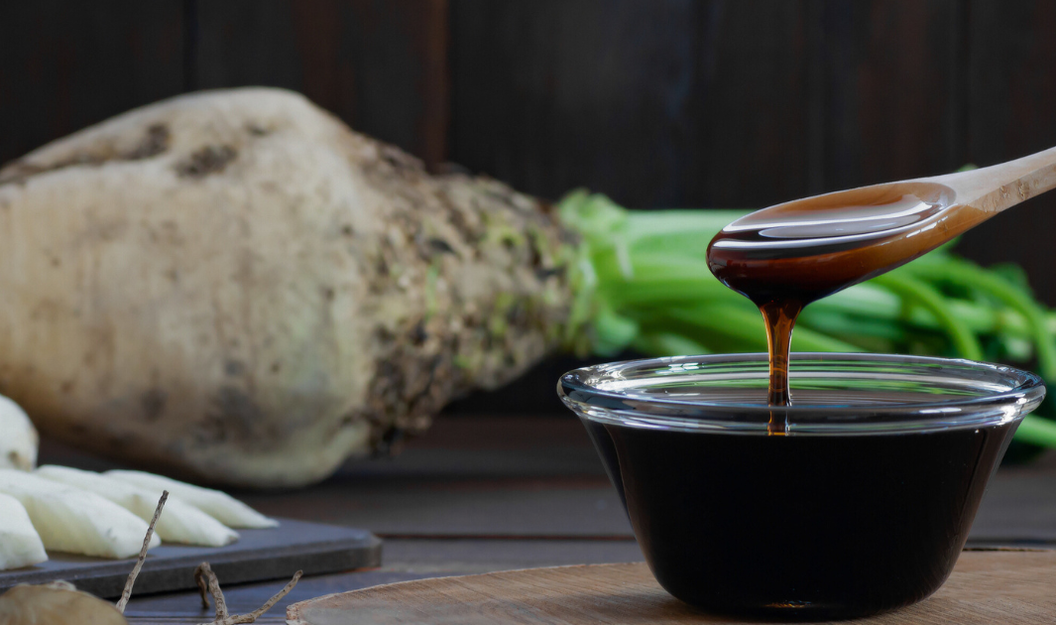
Given its name, it stands to reason that the sugar beet forms the basis of sugar beet syrup. This consists of around three-quarters water. The second-largest component, accounting for up to 20 per cent, is sucrose. Fibre, minerals and phytochemicals make up the rest of the beet. As a rule, only sugar beet is used to produce this ‘golden nectar’, with no additives.
The syrup is produced using the following steps:
Washing: The sugar beet harvested in the autumn is delivered to the processing plants. This is followed by a thorough cleaning process to remove soil, stones and other debris.
Shredding: Next on the agenda is cutting the beetroot into suitable pieces.
Cooking: The cut pieces are boiled in hot water – for example, in a mash tun – and then steamed. This causes the sucrose to be partially broken down into fructose and glucose.
Presses: The cooking process has turned the beetroot into a pulp, which is now being pressed using hydraulic pressure. The result: raw juice.
Cleaning and thickening: The juice is also cleaned once more by mechanical means before it is concentrated. During this process, liquid is removed from the clear juice, resulting in a viscous consistency.
Filling: The syrup is now ready; all that remains is to package it, and then it’s ready to go on sale.
Although producers may make slight variations in the manufacturing process, the basic method has remained the same for centuries.
When it comes to deciding whether ordinary granulated sugar or sugar beet syrup is the better choice, the intended use plays a major role. Whilst granulated sugar simply tastes sweet, sugar beet syrup offers additional qualities: ‘Goldsaft’ is known for its aromatic, malty flavour. For baked goods, pancakes or as a spread, this can be just as beneficial as its thick consistency. Speaking of benefits: sugar beet syrup is generally a regional product, which was produced from locally grown sugar beet. Sugar On the other hand, it can also be made from tropical sugar cane. Although neither is considered healthy, sugar beet syrup does contain some nutrients such as magnesium and potassium.
Owing to its regional availability and high energy content, beetroot juice was in high demand, particularly during the war and post-war years, which were marked by poverty. As the ‘golden juice’ was diluted more heavily back then, it came to be known as ‘Stips’. The varieties of beetroot syrup available at the time were not thick enough to spread on bread, so people tended to dip their bread into it instead.
Nowadays, the focus tends to be on other benefits when it comes to the use of sugar beet tops. As a substitute for Honey Vegan people, in particular, appreciate beetroot syrup as well as maple syrup. For some people, the local origin of their food is of great importance, whilst others place great value on Clean Label – Sugar beet syrup easily meets all these requirements. Further advantages include its sustainability – as the whole beet is used – and its versatility in food production.
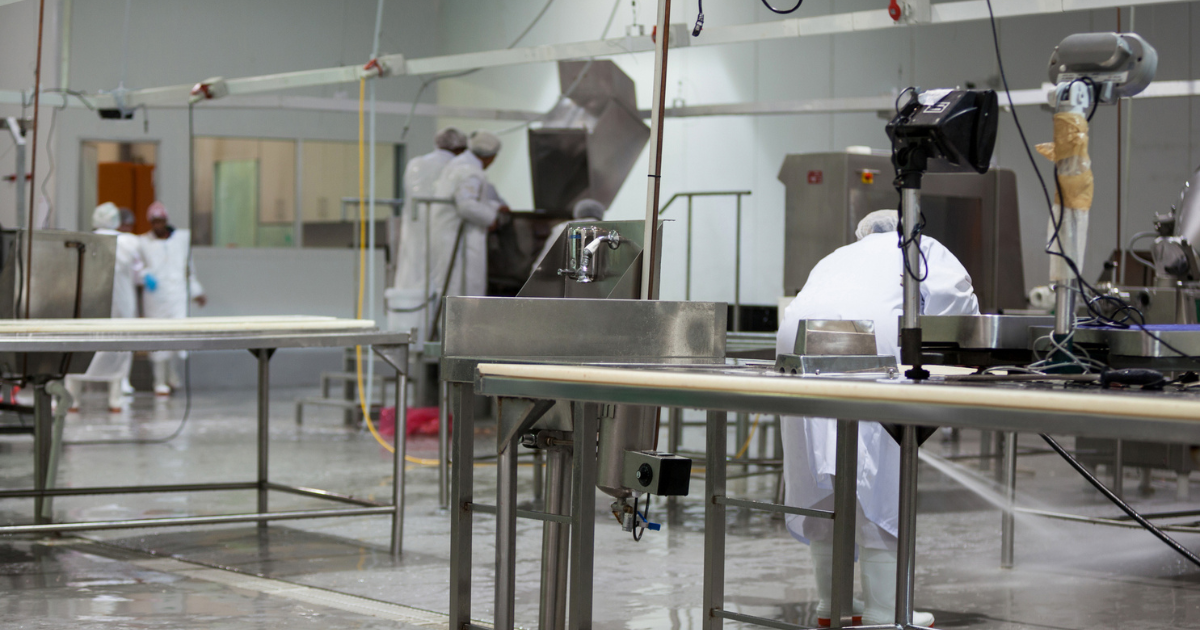
Whether sugar beet syrup is made in-house, used in baked goods or served as a topping on pancakes in cafés – as well as the quality of the raw materials and careful, hygienic processing, other factors such as suitable packaging are also crucial. To ensure the cooking process is carried out at the correct temperature, it is advisable to check the temperature regularly using a thermometer. Tanks and containers must also be in perfect condition and be thoroughly cleaned between uses. Last but not least, disposable clothing helps to prevent contamination during food production.
From small vegan snack bars to large-scale beetroot juice production: anyone who knows what matters benefits from working with a supplier who stocks all the equipment needed for food production – just like us. Combined with our many years of expertise, we’ll provide you with a tailor-made solution – whether your focus is on ‘Goldsaft’ or another product.


More articles