Ratgeber zur Herstellung von Fischkonserven
9. December 2022Read more

13. February 2026
Behind every fluffy soufflé lies a considerable amount of effort, as this dessert undoubtedly belongs in the realm of culinary art. It cannot be made without the right timing – nor if the egg whites are not whipped to perfection. However, when the ingredients, equipment and process are perfectly coordinated, the result is that wonderfully light and airy texture with which food producers and restaurateurs know how to delight their customers. Time to find out more about soufflés.
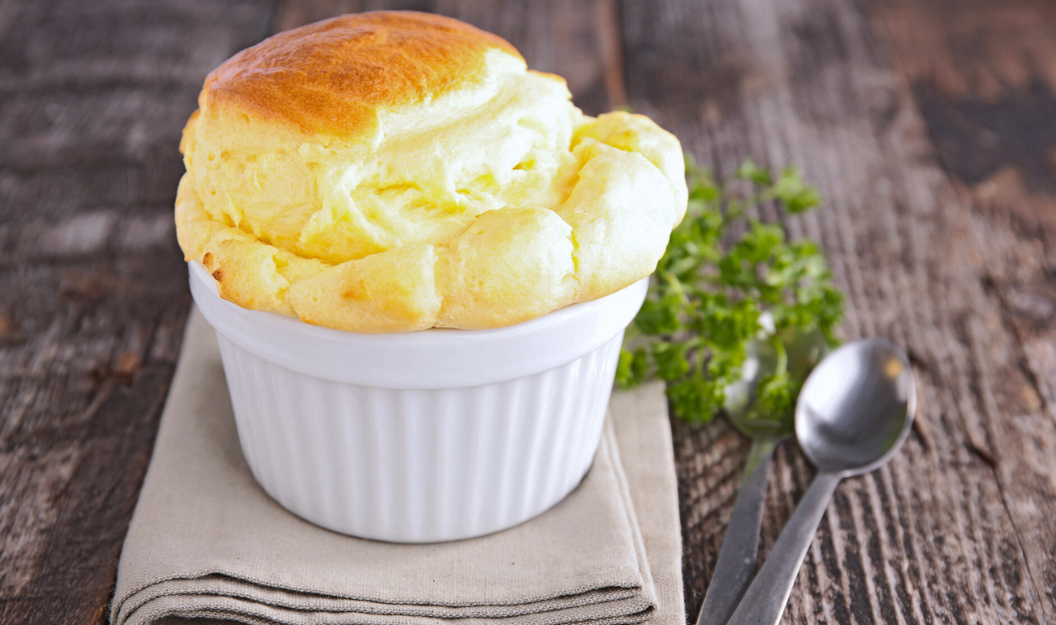
It’s not for nothing that ‘soufflé’ sounds French. The term is derived from the word to breathe on from, which means inflate or inflate means. Essentially, this describes a key element of soufflé-making. As far back as the 18th century, it was regarded as a special treat, reserved at that time primarily for the nobility. Although there are both sweet and savoury variations, the basic structure of the recipe remains the same: on the one hand, there is the flavour-giving component – the flavour base – which traditionally contains egg yolks. On the other hand, there is the volume-giving component, which is based on carefully whisked egg whites.
Soufflés are regarded as the divas of the dessert world, as their perfection leaves no room for error. The egg yolks provide the binding and structure. They are combined, for example, with a little sugar or icing sugar, butter, starch, Flour, mixed with milk or cream. To achieve the desired flavour, sweet dishes may include, for example, vanilla, citrus flavors, liqueur, coffee or Chocolate added. Savoury versions, on the other hand, often feature cheese, herbs, nutmeg, mushrooms, salmon, spinach or other vegetables. When it comes to flavour intensity, the rule here is: more is more, as the beaten egg whites added later lighten the mixture and tone down the flavour again.
A light and fluffy soufflé will only turn out well if the egg yolk and egg white mixtures are combined correctly. The following method can be used as a basic recipe for sweet versions and to achieve a light, airy texture:
Beat the egg yolks with the sugar until smooth, so that a homogeneous mixture is formed.
To create the flavour base, for example, melt the butter and, once you have added the flour and Milk Leave to simmer until a smooth cream forms here too.
Once cooled, fold in the egg yolk mixture and stir thoroughly.
Whisk the egg whites, at room temperature, until stiff.
First stir in about a third of the beaten egg whites, then carefully fold in the rest.
Pour into suitable moulds as quickly as possible and bake straight away.
Making light and fluffy soufflés requires a delicate touch. For example, it’s a good idea to whisk the egg whites in a metal bowl and add a pinch of salt or add a little lemon juice. The ramekins are just as important, as they affect how the soufflés cook and how high they rise. Traditionally, materials such as porcelain, stainless steel or, in some cases, silicone are used. Greasing the inside of the ramekins – for example, with butter – and dusting them with icing sugar helps the mixture to rise properly. To allow it enough space to do so, it is best to fill the ramekins to only about three-quarters full. It is also particularly important not to open the oven door whilst the soufflés are baking – otherwise, the soufflé will lose height and volume or collapse completely.
In the catering industry, it’s not just about delicious recipes; it’s also important that dishes can be easily replicated. By its very nature, a soufflé is more prone to mishaps than other dishes. However, with the right organisation, it can still be served at exactly the right moment. The egg whites should always be whipped fresh, but the ramekins and flavour base can be prepared in advance. The ramekins should also be identical in shape and size so as not to affect the result. Once baking is complete, it is also essential to serve it immediately. Then even a soufflé becomes a reliable and light dessert.
Experts in the art of making soufflés often prefer to use a bain-marie rather than a conventional oven.
Bain-marie methods help ensure an even cooking process and are particularly suitable for very creamy, almost pudding-like soufflé recipes. The extra moisture also prevents the surface from cracking.
Whether you’re making soufflés in small batches as high-quality desserts or in large quantities – having the right equipment makes the process much easier. At Ehlert, we stock elegant porcelain soufflé ramekins, mixing bowls, whisks and pastry brushes, as well as measuring jugs and scales for precise, artful results. Our range also includes suitable set-ups for bain-maries.
What makes Ehlert the ideal equipment partner for the food production sector? Our many years of expertise, our extensive product range combined with fast delivery times, the high quality of our products and our knowledgeable staff. We understand what matters in the catering and food production sectors and can help you make your food even better. Whether it’s fluffy soufflés, hearty Schnitzel or all kinds of frozen meals.


More articles