Fermentieren
9. May 2025Read more

14. August 2026
Whether in bakeries, delicatessens or industrial food production, sesame is used on a regular basis. At first glance, these tiny seeds seem unremarkable, yet they offer a wealth of qualities that influence dishes, such as flavour, texture, oil and valuable nutrients. However, the use of sesame also brings with it the responsibility of ensuring reliable allergen management, as the seeds are not only a popular topping but also an allergen subject to labelling requirements.
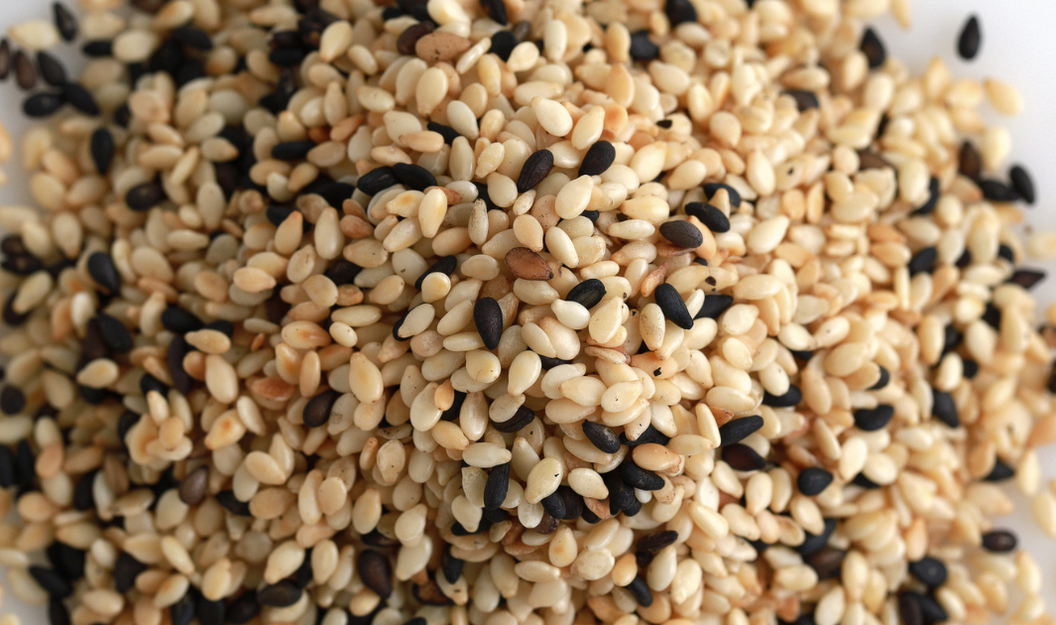
Sesame seeds come from the capsule of the sesame plant, which is botanically known as Sesamum indicum. As the plant thrives in warm climates, it is mainly cultivated in tropical and subtropical regions. Sesame is an oilseed plant; the sesame seeds naturally contain a high amount of oil, protein, minerals and fibre, as well as a high proportion of unsaturated fatty acids. Sesame is a popular food ingredient as it adds a nutty flavour, provides a pleasant crunch and enhances the visual appeal of dishes.
In everyday use, sesame seeds are simply referred to as ‘sesame’. Sesame comes in various varieties, starting with colour: whilst light-coloured seeds are used most commonly, there are also dark varieties in brown or black. Darker varieties are considered to have a stronger and more aromatic flavour compared to the mild taste of light-coloured sesame seeds. Another distinguishing feature is the difference between hulled and unhulled sesame. Unhulled sesame seeds have a more rustic appearance and a more intense texture.
Sesame can be processed and used in a variety of ways. In the food industry, sesame can be found in the following forms and applications, amongst others:
peeled or unpeeled
whole sesame seeds, raw or roasted
Sesame paste, or tahini, also used as an ingredient in sauces, dips or fillings
Sesame oil, light or made from toasted sesame seeds
Sesame flour, sesame groats or ground sesame seeds
Topping, decoration, breadcrumb coating, spice blend or snack ingredient
Roasting brings out the nutty, intense flavour of sesame. As a result, even small amounts are enough to enhance the flavour of baked goods, dressings or bowls, for example.
As a small ingredient with a big impact, sesame can be found in a variety of products. In baked goods, it is often used as a topping on rolls, burger buns, flatbreads or crispbread. Sesame paste is a key ingredient in the delicatessen sector, for example in hummus, dips, spreads, dressings or sauces. Sesame oil is also frequently used when a nutty flavour is desired – for example in marinades or Asian-inspired recipes.
Last but not least, sesame is a popular ingredient in Convenience-products and many vegetarian and vegan products. It is therefore often found in snacks, muesli bars, confectionery, salads, spice mixes and Breadcrumb coatings again.
From a sensory perspective, sesame offers several benefits. Whole sesame seeds add texture and provide a pleasant bite when chewed. When the seeds are toasted, they impart a nutty, toasty aroma. Sesame paste makes recipes creamier, denser and more full-bodied, whilst sesame oil can add a rich flavour to dishes even in small quantities. Furthermore, depending on their colour, sesame seeds create a visual contrast and make the dish look even more appetising.
Despite the many technological and culinary benefits of sesame, it must be handled with care. In the EU, sesame is listed in the Food Information Regulation as one of the substances or products that may trigger allergies or intolerances; in short: it is one of the Food allergens. If sesame is used as an ingredient, this must therefore be indicated. Depending on the risk assessment, it may also be appropriate to include a warning about possible traces. Even small amounts can pose a serious health risk to people with severe allergies. The effects range from skin reactions and gastrointestinal problems to severe allergic shock.
Food businesses that process sesame should define clear procedures. Comprehensive allergen management includes, amongst other things, separate storage, clear labelling, sealed containers, controlled dosing, documented cleaning procedures and trained staff. Production lines on which both sesame-containing and sesame-free products are manufactured are particularly critical. In such cases, it is also important to Cross-contamination to prevent incidents that may occur on work surfaces, with shovels, knives and the like. Regular inspections and checks ensure the highest possible level of safety, for example through Rapid allergen tests.
Tests of this kind detect residues on surfaces or in cleaning and process water, and are therefore an important part of allergen management. In general, cleaning processes are becoming even more important when dealing with food allergens.
As an oilseed, sesame is sensitive to light, oxygen, heat and moisture – in all its forms: from seeds to sesame paste and oil. If stored incorrectly, this can result in a loss of flavour or premature rancidity. It is recommended that it be stored in a cool, dry, dark place in an airtight container.
With regard to sesame paste, it should be noted that oil separating at the surface is not a sign of poor quality. However, when scooping it out, care should always be taken to ensure that the utensil is clean Measuring scoops, clear batch markings and the best-before date must be observed.
For food manufacturers, every production process comes with a sense of responsibility. To fulfil this responsibility, it is essential to combine high-quality ingredients, impeccable operational hygiene, and efficient processes and equipment. This makes it all the more important to have the right supply chain partner by your side. We support food production with all consumables and essential supplies – quickly and reliably. Whether you produce food with or without sesame seeds, we’ll provide you with exactly what you need.


More articles