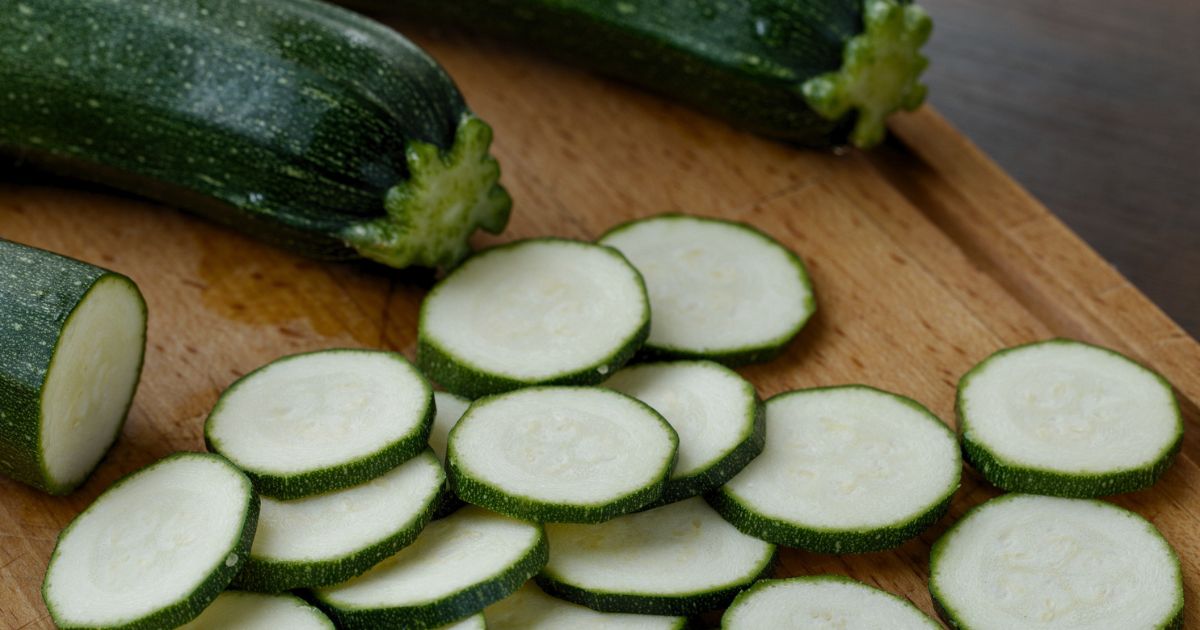
Schneideunterlagen
21. August 2026Read more

23. October 2026
Claims such as ‘high in protein’ are now frequently printed on product packaging as a selling point. This is hardly surprising, as it is no longer just bodybuilders and competitive athletes who keep a close eye on their protein intake. There is a wide variety of protein-rich foods available – ranging from meat products and baked goods to dairy products. This is because, in addition to their nutritional value, proteins also influence the texture and other characteristics of a food. For food producers, the various sources of protein therefore open up a wide range of possibilities for product development.
In order to be labelled as a ‘source of protein’ or described as ‘high in protein’, foods must meet specific criteria. These relate to the proportion of protein in the total energy content. If at least 12 per cent of the energy content consists of protein, the food may be declared a source of protein. To be labelled as ‘high in protein’, at least 20 per cent is required.
Proteins are made up of amino acids. The human body cannot produce some of these itself and must obtain them from food. Proteins perform important functions in the body – not just for building muscle. Among other things, they are involved in the formation and maintenance of body tissue, are components of numerous enzymes and hormones, and carry out transport and defence functions. The German Nutrition Society (DGE) recommends that adults up to the age of 65 consume approximately 0.8 grams of protein per kilogram of body weight daily; from the age of 65, the requirement increases to 1 g/kg.
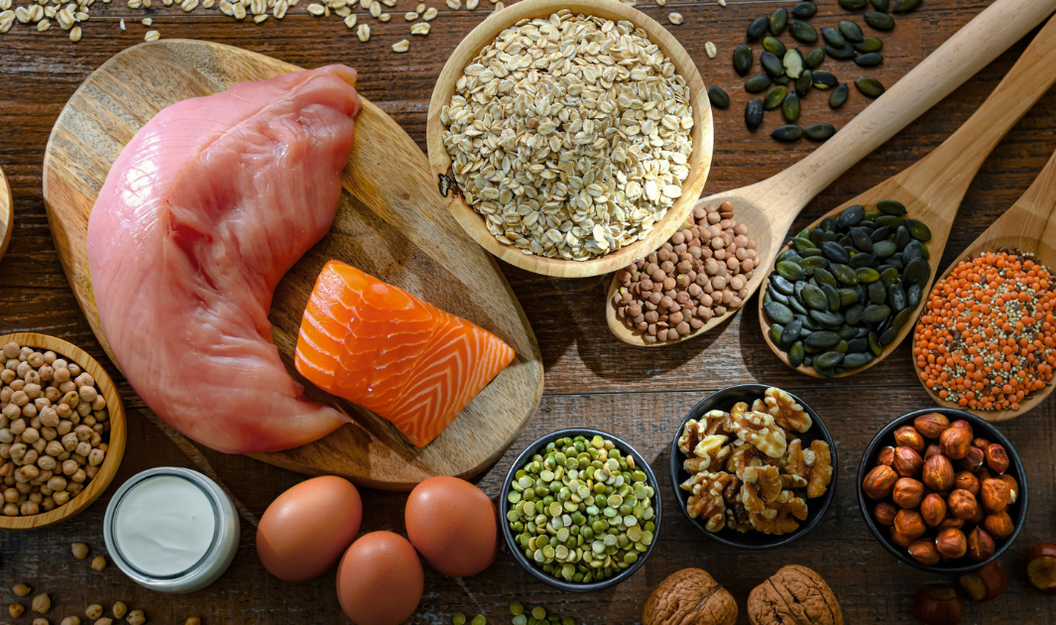
Proteins are found in a variety of raw materials and foods. From dairy products to fish, many of the well-known sources of protein are of animal origin, such as:
Meat such as beef, pork and poultry
Fish and seafood
Eggs
Curd and low-fat curd
Cheese and cottage cheese
Milk, yoghurt and other dairy products
The protein content varies from food to food. Cooked pork contains around 28 grams, cooked trout around 23 grams, and quark contains about 14 grams of protein per 100 grams. For food producers, protein-rich ingredients are also of great interest from a technological perspective. Many animal proteins, such as egg or milk proteins, can bind water or stabilise emulsions, thereby influencing, amongst other things, the consistency and Texture of food.
Plant-based protein sources are becoming increasingly important, not only – but also – due to the growing trend towards vegetarian or vegan diets. Pulses are particularly interesting from a nutritional point of view, as they contain not only protein but also fibre, minerals and other nutrients. They are also impressive for their versatility, as lentils, beans, peas, chickpeas, soya and Lupins They are suitable, for example, for spreads, fillings, salads, ready meals or meat alternatives. Lupins are among the most protein-rich pulses, although the protein content varies depending on the variety and how they are processed.
Other plant-based sources of protein include:
Nuts and peanuts
Pumpkin, sunflower and other seeds
Tofu and others Soyaproducts
Wholemeal cereals
Oatflakes
protein-rich flours, concentrates and isolates from peas, soya or other plants
A varied combination of different plant-based protein sources helps ensure a balanced intake of essential amino acids. Pulses and cereals, for example, are a suitable combination.
Their various technological and functional properties, which proteins also contribute to recipes. Depending on the protein, formulation and processing method, they bind water or fat, form gels, stabilise foams or aid in the production of emulsions. Proteins therefore have a direct influence on a product’s texture, mouthfeel, stability and appearance.
However, the fact that animal and plant proteins react differently can lead to difficulties. Temperature, pH, salt content, water content and mechanical processing – all of these can alter the structure. Food manufacturers therefore often have to test different recipes and process parameters until they find the optimal recipe and process. After all, the requirements are varied: meat alternatives should be fibrous, protein shakes homogeneous and desserts creamy.
In addition to the differences between the various protein sources, other factors may require particular attention during production. For example, some plant-based proteins have a strong inherent flavour, varying solubility or a different texture to animal proteins. Furthermore, with dry protein concentrates, factors such as dust formation, consistent dosing and lump-free mixing must be taken into account.
Furthermore, the processing of many protein sources requires rigorous allergen management. Many protein sources, such as eggs, fish, milk, soya, peanuts and nuts, are subject to mandatory labelling Allergens. Last but not least, ‘high in protein’ should not be equated with ‘balanced’. A high protein content is one factor. However, the fat, sugar and salt content, as well as the fibre, vitamins and minerals – in other words, the overall composition – are equally important in determining the nutritional value of a food.
Whether for the production of meat dishes, legume-based products or protein powders: the processing of such foods requires suitable tools and equipment. Blenders and meat mixers assist with the mincing and even mixing of ingredients, whilst mixing troughs are also ideal for holding and further handling production batches. Cutting boards provide suitable work surfaces and improve safety at work. Measuring and testing equipment ensures compliance with temperature specifications. Thorough cleaning, tailored to the specific process, is also an integral part of hygienic food production. Whatever the stage of the process, high-quality and reliable equipment forms the foundation.
From traditional dishes to innovative, plant-based, high-protein products, every food production process benefits from high-quality raw materials and purpose-built equipment – ideally from a single source. It’s even better when this range is backed by over a century of industry experience. Where can you find that? With us. We support you every step of the way in food production.


More articles