Biofilm: eine Herausforderung für Lebensmittelbetriebe
8. August 2025Read more

27. June 2025
The desire amongst many consumers for a personalised, healthy and balanced diet has been growing steadily for years. This is due, not least, to the increase in simplified (technological) ways of understanding individual nutritional processes. We take a look at this topic to explore what personalised nutrition is all about and what impact consumer demand might have on the food industry.
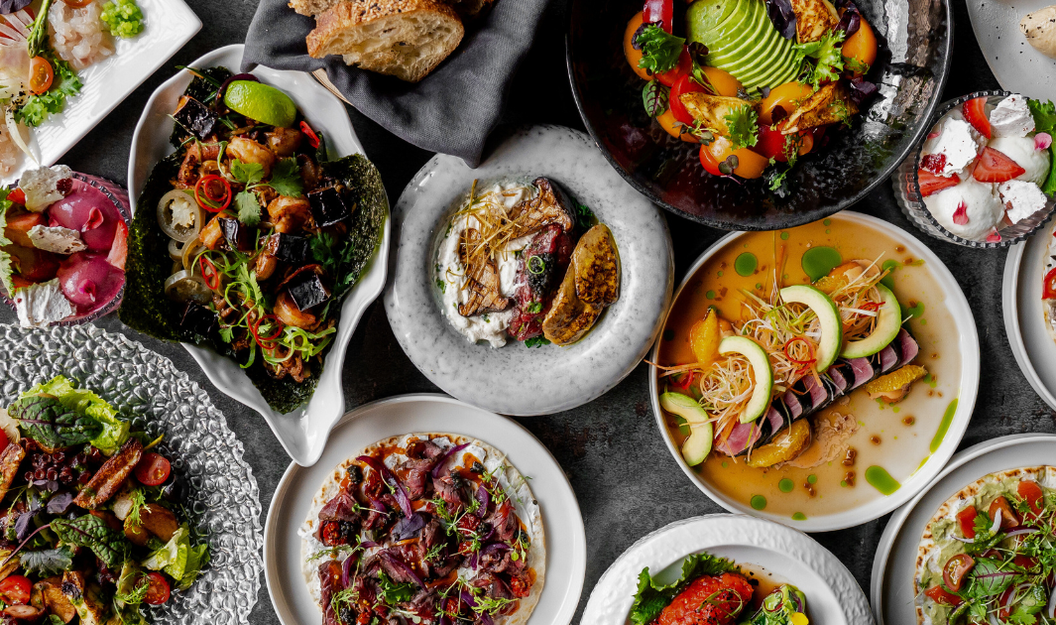
The assumption that different foods are equally good or bad for everyone’s body is now considered outdated. Our bodies do not react in the same way to the same foods and the substances they contain – but rather react individually. This has led, in some quarters of nutritional science, to a shift in thinking. The aim is to move away from standardised dietary recommendations and instead provide personalised assessments that focus on an individual’s body and their specific dietary preferences. For many elite athletes, a personalised approach to nutrition is already the norm.
Personalised nutrition involves tailoring one’s diet to one’s individual metabolism, state of health or personal goals, such as effective weight management. Genetic testing also promises personalised insights into healthy eating and a balanced lifestyle. However, their benefits have not yet been scientifically proven. What is certain, however, is that new technologies are making it possible to understand the effects of certain foods on our bodies with ever greater precision – for example, through quick and straightforward measurements of blood sugar levels. These levels can serve as an indicator of how food affects our bodies.
Personalised diets are particularly in demand amongst consumers who want to take active responsibility for their health – a trend for which demand is expected to rise in the coming years. Health awareness, personalisation and self-tracking are booming worldwide. Furthermore, digitalisation, AI and other technological innovations make it possible to quickly provide comprehensive personalised dietary advice, which can subsequently lead to recipe recommendations.
As demand for products tailored to personalised nutrition grows, the question arises as to whether the food industry must – or should – adapt to this trend. Or will consumers simply take matters into their own hands – for example, by making a careful and tailored selection of products?
A personalised diet can, of course, be tailored by consumers themselves by combining various individual products. However, this also offers potential for the food industry. Producers can gain a competitive edge by making it as easy as possible for consumers to shop for a personalised diet.
One way of meeting this need is, for example, through a sort of modular approach – in other words, the flexible assembly of a product from different components. As with muesli or energy bars, the ingredients can be chosen and combined according to individual needs and your choices.
Concepts like these already exist – though they are often still being used by smaller companies and on a smaller scale. One challenge is to implement them on a large scale in a way that is cost-effective and suitable for everyday use. The industry could adapt its processes, for example by producing smaller quantities or a wider range of variants efficiently.
Ultimately, there are different levels of personalisation. Products that are tailored to the dietary recommendations and eating habits of specific target groups – such as meals for older people, sportspeople or those designed to manage metabolic conditions such as diabetes – also make life easier for consumers.
It is difficult to predict just how significant the impact of the increased demand for personalised nutrition will be. However, it is likely that the influence of digital solutions for nutritional advice and recipe suggestions will continue to grow – including the integration of digital and physical shopping baskets.
Even though the evidence regarding the effects and measurability of personalised dietary plans remains unclear, one thing is striking: the growing interest amongst consumers in having a greater say in what they eat. For the industry, this does not mean that it should or must gear its products entirely towards personalisation. Rather, it could be a matter of creating suitable structures that enable differentiated offerings and personalised combinations – be it through target-group-specific products, flexible recipes or smart service offerings. For even though consumers could, in theory, put together their own meals from individual products, many want convenient and transparent options – a demand that the food industry can capitalise on.
As a specialist wholesaler of supplies and consumables for food production, our range includes a wide variety of products required for efficient and tailor-made production.


More articles