Ratgeber zur Herstellung von Fischkonserven
9. December 2022Read more

28. June 2024
When we’re hungry, we tear open food packaging – and it ends up in the bin without a second thought. That’s often how it goes, yet it certainly deserves a bit more appreciation and a closer look. Spotlight on the essentials: in this blog post, find out what the different types of packaging are all about, what makes each one suitable for specific purposes, and why packaging, in general, is more than just something to be thrown away.

Packaging is indispensable in the food industry and, as food contact materials, serves a whole range of useful purposes. It starts with the Storage and portioning, after all, food has to be transported and should arrive at its destination undamaged. This brings us to the next point: many types of packaging have a protective function, for example by reliably shielding the product from external factors such as oxygen, light or moisture. In this way, the shelf life and quality of a food product can be maintained over a longer period – a key Improving food safety.
Furthermore, the packaging is a basic information carrier – and are, in fact, obliged to do so. From the precise description of the contents and the stated use-by date to the ingredients, nutritional values and recommendations for preparation or consumption, there is space for all sorts of useful information. And every single piece of information can ultimately influence the decision to buy.
The requirements for packaging are high, varied and depend on the foodstuff in question. In addition to providing reliable protection against external influences, as well as preserving freshness and supporting the Preservation There are other factors to consider as well. For example, it is very important that food packaging does not impart any flavour or harmful substances to the product it contains – and therefore does not consist of such substances in the first place. For consumers, an attractive design, ease of opening and removal of contents, and a clear commitment to environmental awareness are also important. After all, the sustainability of packaging is increasingly becoming a significant factor.
Given the wide range of requirements, it is hardly surprising that there is also a wide variety of packaging types. They all have their own individual advantages and disadvantages.
Glass: The material is inert, which means it does not react with its contents. This makes glass suitable for products where the flavour is to remain unchanged. It is recyclable, but breaks more easily than sturdy plastic and is translucent.
Plastic: There is hardly any shape that plastic cannot be moulded into – and it also scores highly for its high impact resistance and low weight. This offers a number of advantages, particularly when it comes to transport. However, when it comes to sustainability, compromises have to be made with plastic.
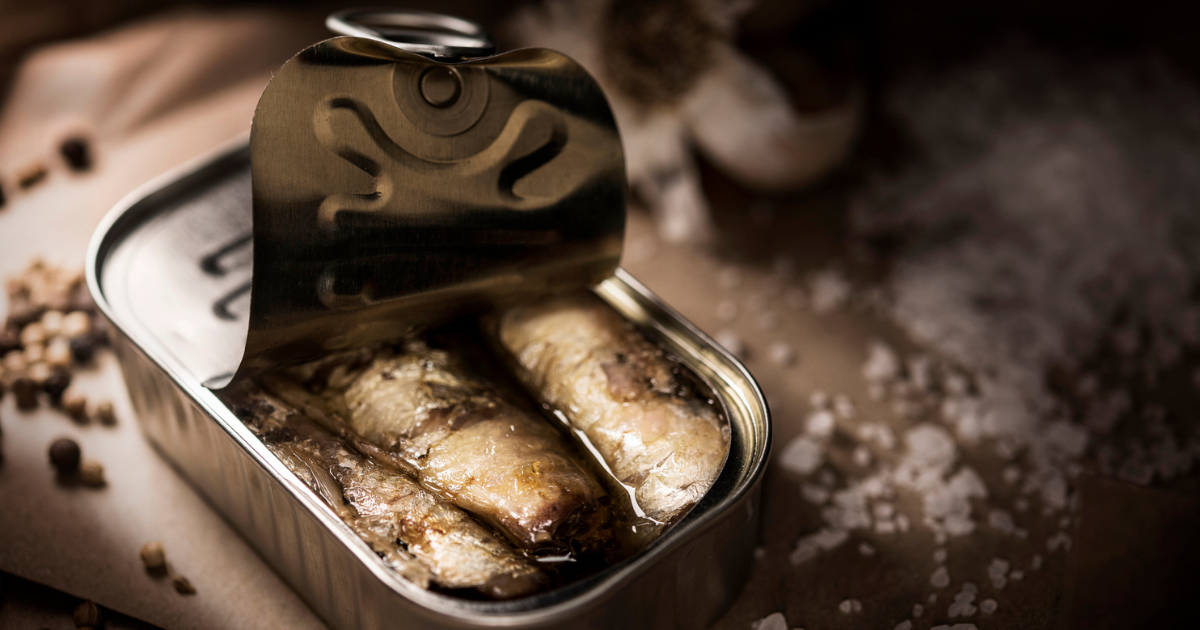
Metal: Whether made of aluminium or tinplate, metal tins are sturdy and do not break easily. They also reliably protect their contents from light and oxygen, which can significantly extend their shelf life. They can also be recycled. However, it is important to mention the common presence of BPA, which is transferred from many tins to the food they contain.
Paper and cardboard: Such food packaging is usually recyclable and compostable – and is therefore a sustainable option that is also inexpensive. One drawback, however, is that it offers less protection against moisture and is less sturdy.
Combined packaging: Sometimes, different packaging materials are also combined – for example, cardboard and plastic. This allows the advantages of both materials to be combined, which is the best possible option for certain foods.
When producing flavourful food, it is not only the high quality of the product that matters, but also the care taken and the careful selection of the right packaging. Different types of packaging are best suited to different foods:
Fruit & vegetables: Perforated cardboard bags or trays are usually used for this purpose – the latter sometimes in combination with cling film placed over the top.
MilkProducts: Plastic cups with aluminium lids are generally the preferred choice, as they protect against both oxygen and light and are inexpensive to produce. However, glass packaging is also an option.
Dry foods: Although rice, pasta, muesli and the like are often sold in plastic packaging, they are also available in recyclable or compostable paper packaging. It is important that they are reliably protected from moisture.
Ready meals: Depending on the type of ready meal, either plastic bags – for example, for frozen meals – or metal tins for traditional tinned food are suitable.
Drinks, sauces and jams: The classic choices for treats in jars. Pesto and other ready-made foods are also perfectly preserved in jars.
Meat and sausage products: There are many options here: some meats keep best when packed in plastic wrappers or vacuum-sealed bags, whilst other sausages are best stored in jars.
As well as the food itself, the way it is processed is, of course, also a key factor in choosing the right packaging. Ready-made meals – such as those taken away directly from a catering establishment – are kept warm until consumption in moulds and trays, for example made of aluminium, or kept fresh in fruit or salad bowls.
Special insulated bags can also be used to keep food warm. What’s more, individually wrapped food items are often repackaged for dispatch, transport and so on. Here you’ll find further packaging solutions such as carrier bags, Cardboard boxes, pallets and boxes, containers, crates and trays, as well as other transport packaging, all serve their intended purpose. All available from Ehlert!
Food packaging and more: Gustav Ehlert GmbH has the necessary expertise when it comes to professional packaging solutions for high-quality foodstuffs. For many products, we offer tailored food packaging designed to provide reliable protection. We can also provide you with further useful food-contact materials, including vacuum packers and related equipment, to meet your exact requirements. As supply chain specialists, we know what matters!


More articles