Temperaturmessung in der Lebensmittelproduktion
25. September 2026Read more

9. October 2026
Whether it concerns ingredients or finished goods, food production involves numerous transport routes. The flow of goods extends from goods receipt through storage and processing to packaging or dispatch. In addition, packaging materials, work equipment, cleaning supplies, various by-products and waste must be moved. Internal transport therefore affects every area of production. With the right range of trolleys and containers, it integrates efficiently into internal workflows. Here is an overview.
The requirements that trolleys and containers must meet naturally depend on their intended use. A trolley used to transport cartons in a dry warehouse must meet different requirements to a container used to transport fatty foodstuffs for further processing.
When it comes to choosing the right equipment for transporting different goods, the first step is to determine what is to be moved, in what quantities, and between which areas.
When making a choice, the following characteristics may be important:
a suitable material, where appropriate, for direct contact with food
a smooth and uniform surface
as few joints, gaps and areas that are difficult to clean as possible
sufficient load-bearing capacity and dimensional stability
stable and stackable
a suitable protective cover
smooth-running and durable castors
Resistance to cleaning and disinfectant products
In addition, the layout of the premises should be taken into account: the width of passageways or ramps, as well as the floor surface, help to determine which dimensions or castors are most suitable for use.
Whilst some transport solutions are primarily designed to ensure the safe transport of packaged goods, others are specifically intended for the transport of loose foodstuffs, larger quantities of products, or for feeding machinery. There is a wide range of transport options to choose from, each of which is suited to different tasks to varying degrees.
Traditional platform trolleys can be used in a wide range of applications. They enable crates, sacks, cardboard boxes, canisters and larger containers to be moved efficiently. Generously sized, non-slip loading surfaces help to ensure that goods are transported safely.
As well as load capacity, the castors can also be an important factor to consider when making a choice. The material and diameter should be suited to the floor surface, the weight and the distance to be covered. Large castors generally make it easier to negotiate minor uneven surfaces, whilst swivel castors facilitate manoeuvring and locking brakes make loading and unloading easier. Platform trolleys are suitable for packaged goods or those contained in sealed containers.
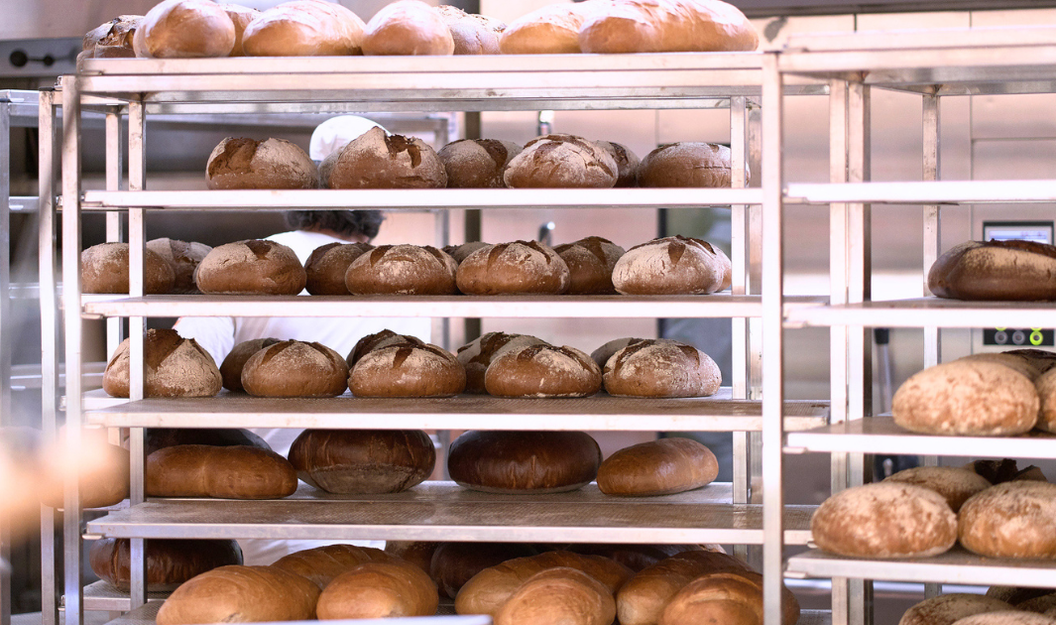
Wherever baking trays, platters, bowls or GN containers need to be moved, tiered trolleys and shelving trolleys are ideal. They are used, for example, in bakeries, commercial kitchens, butchers’ shops and in the production of delicatessen and convenience products.
Shelving trolleys are space-saving and efficient thanks to their stacked shelves, and can therefore help to ensure well-organised production processes. It is essential that the sheet metal and containers fit securely into the corresponding guides and, in particular, do not slip out during transport. Depending on the goods, an additional cover may be useful or necessary.
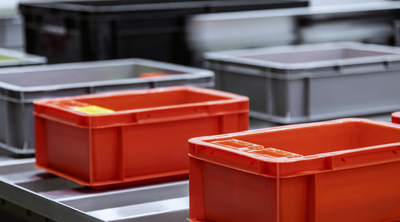
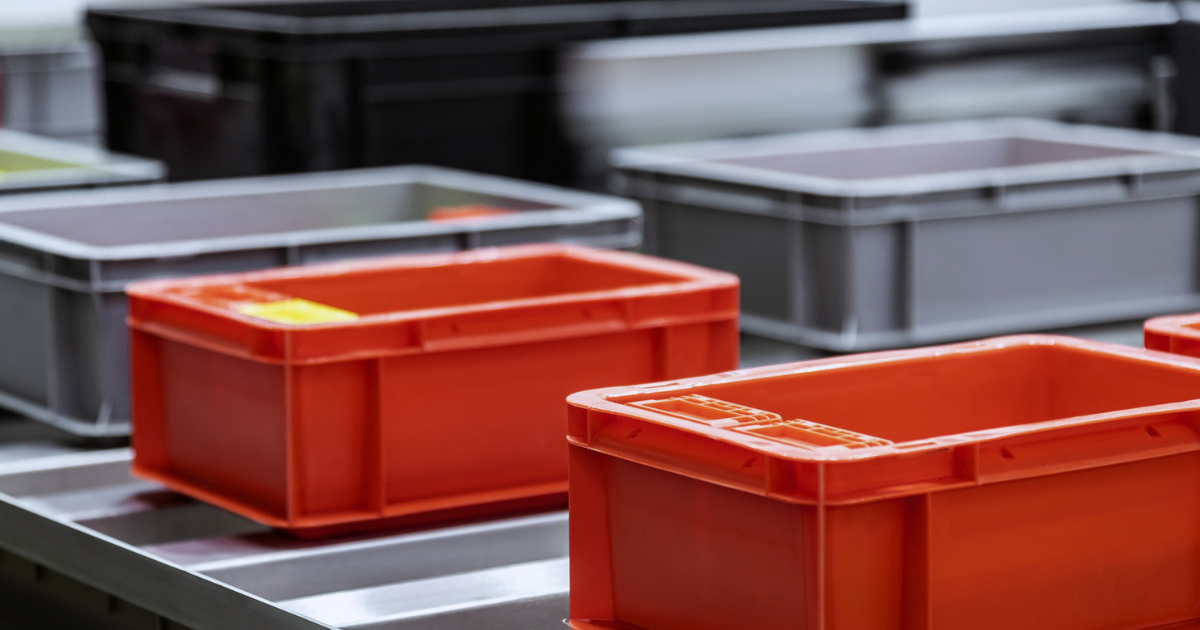
Alongside tubs and GN containers, standardised plastic crates are indispensable in many production areas. Flat transport trolleys, which fit neatly under the crates, make it easier to move individual crates or groups of them. Provided the dimensions and base area match, the crates remain stable and can be transported easily. Retaining mechanisms or side rails help to ensure that the crates do not slip during transport.
Pallet trucks are used to lift pallets or other load-bearing units easily and transport them over short distances. Feeding trolleys are mobile containers in which raw materials are collected, made ready or transported to the next processing station. With the aid of suitable lifting or tipping devices, their contents can be discharged in a controlled manner into mixers, meat grinder, unload from a cutter or other vessels.
Stackable containers help to make efficient use of storage and transport space. To ensure safe stacking, the containers should be dimensionally stable, undamaged and compatible with one another. Variants with lids provide additional protection for the contents. They should close securely and be designed in such a way that they can be thoroughly cleaned. Where there is direct contact with food, the material must be suitable for the intended use. In addition to the specific type of food, factors such as temperature, duration of contact and cleaning requirements may also play a role.
Plastic containers are available in a wide range of sizes and designs. Whilst sealed containers offer greater protection and, for example, prevent liquids from leaking, perforated crates have the advantage of allowing air to circulate. Which type is suitable depends, as always, on the product and the specific process. To ensure clear identification, the crates can be labelled with text and symbols or assigned a specific Colour coding correspond to.
Due to their size, pallet boxes can reduce the number of individual journeys and, depending on the model, come with a range of features. Whether foldable or stackable, transparent or with thermal insulation – these large containers are suitable for transporting a variety of goods.
Trolleys and containers can act as carriers of dirt, micro-organisms or Allergens This is particularly true when the same equipment is used to transport different goods. Ensuring sufficient availability and a fixed allocation to specific areas and products helps to ensure professional and hygienic use.
As these items come into contact with hands, floors, shelves, machinery or food, it is important to perform proper cleaning. In addition to interior surfaces and loading areas, this also applies, for example, to handles, lids, edges, undersides and castors, where product residues or dirt can easily accumulate without being noticed. Suitable for trolleys Disinfectant mats can help to reduce the spread of microorganisms via the rollers. Any contamination should be removed beforehand using suitable cleaning agents. The concentration of the agents, the contact time and other factors should be determined in accordance with the manufacturer’s instructions and the internally defined procedure. If transport equipment and containers can no longer be cleaned reliably or used safely, they should be repaired or taken out of service.
There is also a wide range of suitable transport packaging and covers available – such as Ehlert Speedcovers for loading trolleys or pallet covers, which help to maintain hygiene during internal transport.
Suitable trolleys, crates and containers simplify transport, make it easier to supply goods at the workplace, reduce unnecessary steps and support hygienic and well-structured processes. The key is a system in which transport equipment, products, routes and cleaning procedures are seamlessly integrated. To ensure that goods and materials are moved safely and efficiently throughout your premises, we support you with a wide range of supplies and consumables. With Ehlert, you get everything from a single source – experienced, professional and reliable.


More articles