
Ratgeber zur Herstellung von Fischkonserven
9. December 2022Read more

28. November 2025
With their refreshing and tangy flavour, citrus fruits are popular not just in summer. Around the world, lemons – and, in particular, the citric acid they contain – are widely used in drinks, food and other areas of food production. They impress with their enormous versatility – in every respect. This blog article explores the different ways they are processed, where lemons really shine, and what else there is to know about them.
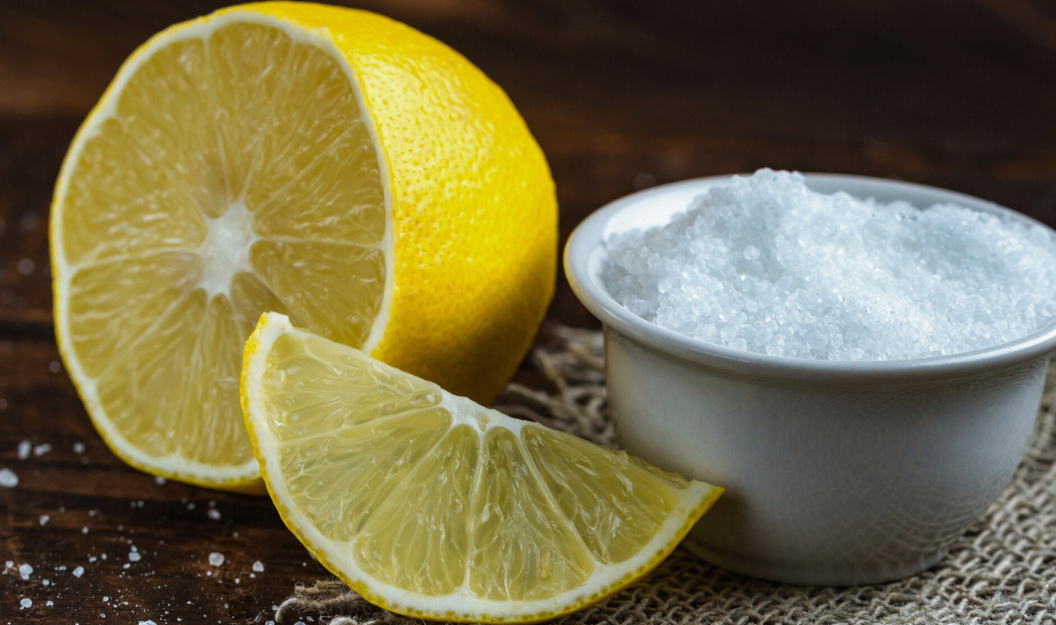
Lemon trees prefer a warm, humid climate. In this country, lemons are often sourced from Spain or Italy, but India and Argentina are among the world’s even larger producers. Although there are numerous varieties of lemon, very few people are familiar with them. If conditions are right, lemon trees can flower all year round and bear both fruit and blossoms at the same time. The trees give off an aromatic scent – derived from the essential oils found in the blossoms, the lemon peel and even the leaves.
Lemons enhance our everyday meals in many different ways. Whether as a slice of lemon in a glass of water or as an accompaniment to Wiener Schnitzel: In restaurants, the raw form is often used as a symbol of freshness. In larger-scale industrial production, however, lemons are often used in other forms. For example, the following:
Lemon juice: Whether juiced or in concentrate form, lemons provide an intense flavour, balance the taste and are a source of vitamins.
Lemon zest: It, too, is very aromatic and is used, for example, in biscuits, liqueurs and spice mixes.
Fruit pulp: The flesh of the citrus fruit is used, for example, in the production of jams, sauces or desserts.
Citric acid: Originally produced from lemons, industrially manufactured citric acid is now obtained almost exclusively through the fermentation of sugars such as molasses. It can be used in both liquid and powdered form.
Consequently, citric acid – sometimes also spelled ‘citron acid’ – is nowadays generally no longer derived from citrus fruits, but is produced almost entirely through biotechnological fermentation. Particularly when large quantities are required, obtaining it from lemons would be neither economical nor feasible.
In the alternative production method, the Fermentation as well as molasses, usually mould too Aspergillus niger used.
By the way: Citric acid is found not only in lemons, but also in many other fruits – as well as in some vegetables. The human body even produces it itself – for example, in our cells as part of key metabolic processes for energy production.
Citric acid serves a wide range of purposes in food production. Firstly, as an acidifier, it helps give many foods their desired flavour. The aromatic nuances of various fruits can also be enhanced by adding citric acid. Furthermore, this versatile ingredient can improve preservation by slowing down the growth of micro-organisms such as mould – an important step in the process of Food preservation. As citric acid has antioxidant properties and can stabilise the pH level, it protects fruit and vegetables, for example, from discolouration. Its technological benefits also include its role as an emulsifier and stabiliser, for instance in jams.
Lemons themselves are also valued for their high vitamin C content. It helps prevent illnesses such as colds, strengthens the immune system and has anti-inflammatory properties.
The range of applications is just as varied as the benefits. Lemons, lemon juice and citric acid are used equally in drinks, dairy products, jams, confectionery, high-quality dishes and ready meals.
In the wider field of food production, citric acid serves another purpose: it can be used as a supplementary cleaning agent for descaling taps, tiles, barbecues or stainless steel appliances.
In food production, reliable quality and clear labelling play an important role alongside functionality. Lemon juice, lemon zest and citric acid must not only meet sensory requirements but also comply with defined technical and hygiene standards. These include, amongst other things, consistently reproducible acidity levels and a stable product consistency for processing operations.
Equally important is the correct labelling of the end products: citric acid is listed as the additive ‘E 330’, whilst lemon juice or other natural components of the fruit are declared according to the form in which they are used.
Lemons and citric acid are true all-rounders in the food industry. They combine flavour with functionality and versatility. For manufacturers of high-quality food products, this efficiency – combined with quality and freshness – is particularly valuable. After all, they form the basis for producing delicious food.
As well as lemon juice, powdered citric acid and lemon zest, our range includes numerous other high-quality products – for cutting, cooking, baking, cleaning and packaging, as well as all other aspects of professional production. Discover our range and enjoy the benefits of sourcing everything from a single supplier – with us as your supply chain specialist.


More articles