Ratgeber zur Herstellung von Fischkonserven
9. December 2022Read more

27. February 2026
Juniper berries are not just used for making iconic gin. This spice has a far wider range of uses and its aroma enriches many dishes. It is indispensable in the catering trade and industrial food production. This blog article explores where its sweet-bitter flavour really comes into its own, how it is processed, and other interesting facts about juniper berries.

Although the name might suggest otherwise, juniper is not a berry in the traditional sense, but rather a berry cone. Furthermore, by no means are all species of juniper (Juniperus) edible; only those of the common juniper are. (Juniperus communis) – Other varieties or unripe berries are poisonous and can sometimes cause nausea, vomiting and kidney pain. Juniperus communis It belongs to the cypress family and is found in parts of Europe, Asia and North America. When the berries are ripe, this can be recognised by their dark blue-black colour, which bears a visual resemblance to that of blueberries. As the ripening process on the evergreen juniper shrub takes a very long time, it can take up to three years for the berries to reach full ripeness.
Just a single flavour note? Not with juniper berries. As a spice, they offer a whole range of flavors and nuances. Juniper is described as sweet, bitter, savoury and intense all at once. Fresh, citrus-like notes may also be present. The reason for these varied nuances lies in the essential oils they contain. These develop particularly well when the berries are cooked slowly or crushed. Classic combinations used in various dishes include those with Laurel, Pepper or Coriander.
Whether in gourmet restaurants or within the wider context of the food industry, juniper berries are frequently used. Popular uses include the following:
Meat and sausage products (e.g. game, particularly wild fowl, ham, dry-cured sausages)
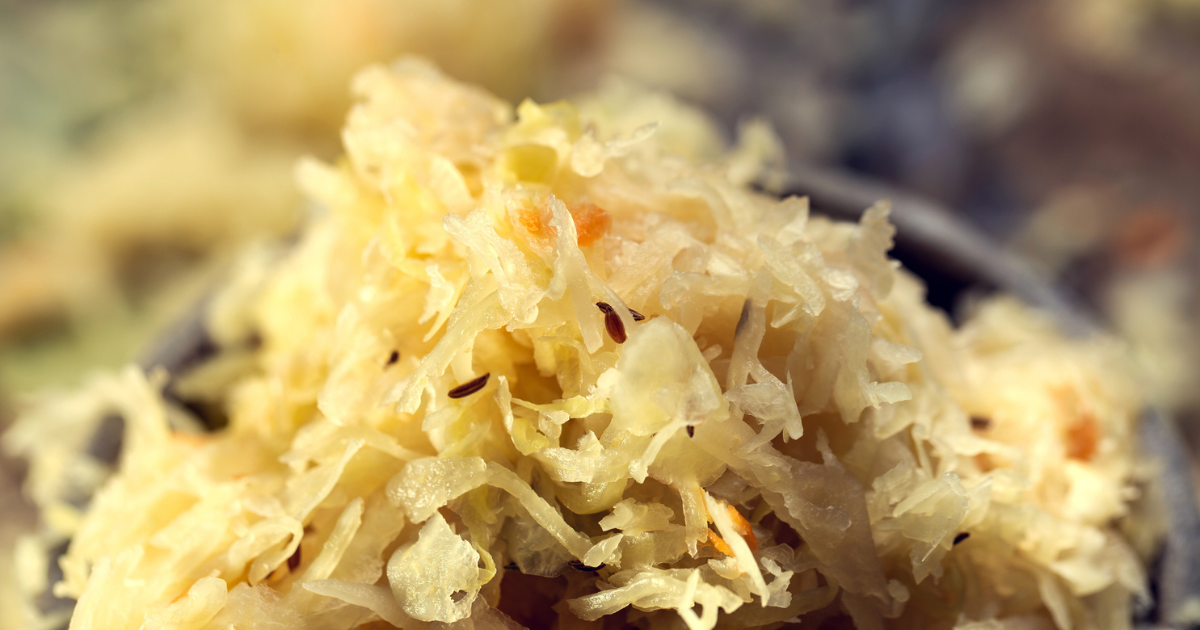
Fermented preserves such as sauerkraut or pickled vegetables
Marinades, stocks, sauces and broths
Spirits such as juniper schnapps and gin
Juniper is almost an essential spice, particularly in game dishes such as roast wild boar. As it neutralises the game’s strong natural flavour, it plays a key role in creating a well-balanced overall flavour.
Thanks to its strong natural flavour As a rule, just a few juniper berries are enough to give dishes a depth of flavour. If too many are used, however, the bitter notes may otherwise become overpowering. For slow-cooking methods, it is best to use whole berries from the Juniperus communis . If, on the other hand, you wish to create intense marinades, it is advisable to crush the berries slightly. Ground berries tend to be rather mild in flavour.
Juniper extract may also be a suitable option for producing consistent batches with a constant flavour profile. This makes precise dosing particularly easy, and the extract is also microbiologically stable. This can be of benefit to products such as sauces, ready meals or drinks.
To ensure the longest possible shelf life and a flavour that remains intense, the berries should be stored in a cool, dry place away from direct light. Whole dried berries generally have a longer shelf life than their powdered counterparts. This is because the essential oil in juniper berries evaporates. Therefore, for whole berries, it is best to crush them as close as possible to the time of use.
As well as offering a delicious variety of flavours, consuming juniper berries in moderation brings further benefits. Whilst the essential oils lend a distinctive flavour and can even balance out unwanted flavour notes, their preservative properties also ensure improved Food preservation. In small quantities, the spice can also stimulate the appetite and aid digestion. It is not without reason that juniper berries are an ingredient in many ‘stomach bitters’, which are typically drunk after hearty meals.
As supply chain specialists, we have been operating in the food industry for over 100 years. In addition to professional appliances and bespoke equipment, our range also includes a wide variety of spices – such as juniper berries in dried and crushed form, or as an extract. We also stock mortars for crushing the berries, hygienic storage and dosing systems, and other processing tools – particularly if the juniper berries are to be used in the production of meat products. We support you in food production – whether with or without berries. With our specialist expertise and the right equipment, we ensure that you are well-equipped for professional food production.


More articles