Ratgeber zur Herstellung von Fischkonserven
9. December 2022Read more

2. January 2026
Whether referred to as hydrolysed vegetable protein or by another synonym such as hydrolysed vegetable protein – it is a common ingredient, particularly in ready-made products such as stock. Food manufacturers benefit from a range of advantages, foremost among which is the enhancement of flavour. This blog article explores what is interesting about hydrolysed vegetable protein, how it is produced, and other related aspects.
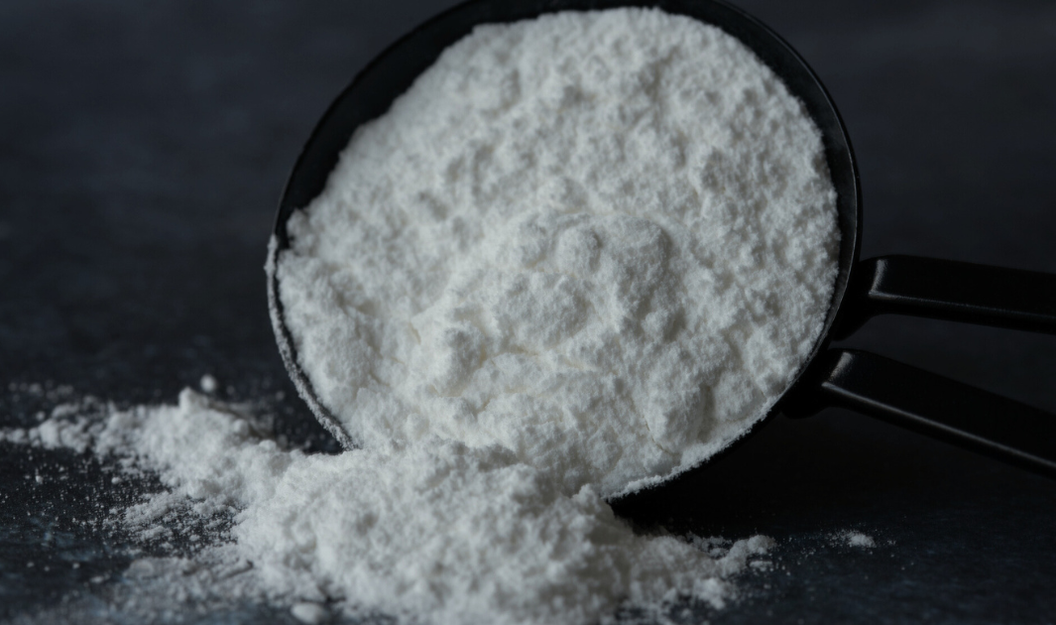
To obtain hydrolysed plant protein, plant proteins are broken down into smaller building blocks – specifically peptides and amino acids. This is achieved through hydrolytic or fermentative processes. As a result, they are more soluble and the products taste better. Even Umami-Seasonings are commonly used here, which is why it can be added to other foods to bring out their natural umami flavour. The raw materials used in its production include, for example, wheat or Soyaproteins are used.
The process for producing hydrolysed plant protein varies depending on the starting material and the desired outcome. As a rule, however, the raw material is first cleaned. It is then concentrated and denatured, causing the protein structures to unfold and become accessible for further breakdown. The protein is then broken down into shorter chains and, to a lesser extent, into free amino acids. The result is an altered flavour profile and improved solubility.
The manufacturing process has been, and continues to be, optimised. Key variables in these gentle processes include, for example, duration, temperature and pH. The aim is not only to achieve improved functionality and a defined flavour profile, but also consistent reproducibility. Products made from hydrolysed plant protein are available in a range of consistencies.
The benefits of hydrolysed vegetable protein are many and varied. Thanks to the free amino acids it contains – particularly glutamic acid – it enhances the umami flavour without the need to use isolated glutamate.
When combined with yeast extracts and certain spices, it is possible to create complex flavour profiles, some of which even resemble those of meat.
On this basis, there are also benefits for the vegetarian and vegan markets. Plant-based protein is cost-effective, conserves resources compared with animal-based raw materials, has a long shelf life, is rich in protein and versatile.
There are various foods in which the benefits of hydrolysed plant protein come to the fore. For example, it is used in the following:
All kinds of stock, from vegetable to meat
Seasoning sauces, marinades and dressings
Meat-free ready meals with a savoury flavour
Spiced snacks and spice mixes
It is often combined with yeast extract or flavour enhancers to achieve an even more rounded flavour. In ingredient lists, hydrolysed plant protein is also referred to as ‘hydrolysed vegetable protein’ or ‘plant protein hydrolysate’. This terminology makes it clear that a plant protein has been optimised through technological processing methods – for example, in terms of texture or flavour.
The improved ability to control flavour, solubility and even colour can lead to optimised food products. Whether the aim is a spicier or creamier texture – the scope for variation is growing. Added to this is the growing trend towards vegetarian or vegan diets, or a reduction in meat consumption. With the help of hydrolysed plant-based protein, it is possible – much like with monosodium glutamate – to respond flexibly to the demand for specific product characteristics and recipes.
However, producers of plant-based protein hydrolysates or food products made from them, such as stock, must meet certain requirements – even beyond optimising flavour. These include, for example, the traceability of raw materials and professional documentation of the entire process. Hygienic production facilities are also essential to ensure consistently high quality.
Furthermore, the clear labelling of the vegetable protein, other flavour enhancers and any Allergens important.
When it comes to the requirements for food in terms of taste and texture, it is useful for food manufacturers to be able to rely on supportive additives or flavour enhancers such as hydrolysed protein, yeast extract or pure glutamate. For products outside the Clean Labelling They are therefore often used. However, as it is not only a matter of precisely tailored formulations but also of high-quality equipment in other areas, choosing the right partner for this task is crucial.
Gustav Ehlert GmbH provides you with a comprehensive range of all the supplies – large and small – required by the food industry – quickly and reliably. Thanks to our expertise, built on more than 100 years’ experience in the sector, we understand the challenges and address them with a high-performance product range. We’re also happy to offer advice – please do get in touch.


More articles