Essig: Von Säure und Raffinesse
7. June 2024Read more

22. August 2025
Anyone with a sweet tooth usually appreciates honey. This natural product is a real treat, especially for those with a sweet tooth, but as well as its flavour, it also offers a range of other benefits. From the beehive to the catering industry and food production? Honey goes through a number of stages to get there. This blog post takes a closer look at what those stages are and what else is remarkable about this ‘sweet gold’.

Honey comes from bees – even children know that. However, not everyone is familiar with the details of how honey is made.
The basis for honey production is a cooperative bee colony.
The so-called foraging bees fly to honeydew or selected flowers, which they choose on the basis of, amongst other things, scent, colour and nectar content.
The bee then uses its proboscis to collect the nectar from the flower and, in this way, transfers it to its honey stomach.
Next comes the return flight to the hive, where the honey is passed on to other bees. They, too, take it into their honey stomachs, thereby enriching it with their own enzymes.
Whilst some of the water content has already evaporated, the remainder is to be removed during the drying process. To do this, worker bees pack the sticky mass into honeycombs, which – except in the case of wild honey – are usually contained within a frame.
Once the honey is dry, the bees seal it with a layer of wax that they produce themselves.
Beekeepers come into the picture when it comes to harvesting the finished honey as a foodstuff. Once the wax has been removed from the honeycombs, the honey is extracted from the combs at a temperature of around 35 degrees Celsius.
Further processing steps then follow, depending on the intended use. However, the points outlined above form the basis of traditional honey production.
Germans love honey and consume more of it than any other country – around 800 grams a year. For this reason, imports are necessary, as beekeepers in this country cannot meet the high demand. There are many reasons for the popularity of this sweet spread. For instance, it can be used to sweeten food and drink without the need for refined sugar. This is an aspect that is also relevant in terms of Clean-label products can play a role. Furthermore, honey contains vitamins, minerals and antioxidants, giving it antibacterial and anti-inflammatory properties. Honey is also used to support the immune system and provides relief once a cold has already set in. It is particularly effective in relieving a dry cough and a sore throat.
Honey lovers and food producers alike know that no two honeys are the same; there are differences in colour, flavour and consistency. Liquid varieties such as acacia honey, for example, are often used to sweeten tea, whilst a creamy consistency such as that of rapeseed honey makes for a delicious spread. Fir honey or forest honey is generally slightly spicier and more robust, as the honeybees have often fed on honeydew as well. Blossom honey, on the other hand, is mild and is used to enhance baked goods, amongst other things. Manuka honey, which traditionally originates from New Zealand, has particularly strong antibacterial properties – which is why it is often used in cosmetics, such as for facial treatments.
Whether it’s forest honey, rapeseed honey or blossom honey: there are more than 40 varieties of honey in Germany. The German Beekeepers’ Association has nearly one million bee colonies under its umbrella. Urban beekeeping is a growing trend, as honey is increasingly being produced in urban areas too. This is creating more opportunities to, Local food production to support.
In food production, honey is far more than just a flavouring agent – it is a functional raw material. ‘Industrial honey’ is particularly suitable for industrial applications. This honey is produced or processed specifically for further processing. It must comply with food law requirements for honey, but may only be used for industrial purposes – for example, due to excessive heating or sensory deviations.
As the honey is intended for further processing in food products, care is taken to ensure that it is particularly free-flowing and can be pumped and dispensed without crystallising. Through targeted processing, the honey achieves a consistent viscosity and quality that is tailored to automated production lines. It is also available in larger batches with a consistent composition. Adherence to a standard reduces variations in production and ensures consistent product quality.
The various types of honey have many ways of winning people over in the world of food. For example, in the following forms:
As a natural Sweeteners Honey is used in baked goods and desserts.
Marinades and glazes for meat, fish and vegetables are also enhanced by these sweet notes.
When used as an ingredient in dressings and sauces, honey adds a rich flavour – a classic example is the popular honey and mustard dressing.
The sweetness of honey enhances not only food but also drinks. Whether used to enhance tea or as a base for special honey-based creations such as honey wine, also known as mead.
Honey is a treat both on its own and when used in other foods. For some recipes, it is best to use powdered honey.
Honey powder is natural honey in a form that is easy to process. It is produced by gently drying the honey, a process that may involve several stages. This is often done in combination with a carrier such as maltodextrin. The drying and pulverisation of honey combine its characteristic flavour and sweetness with the advantages of a product that is easy to measure out and process, whilst also having a long shelf life and being stable.
For example, industrial food production in particular offers the following technological advantages:
Dosage: The honey powder is easy to weigh out accurately and mix evenly with other dry ingredients without clumping or adding extra moisture.
Stability: The low water content of the powder inhibits microbial growth, making it suitable for long-term storage.
Workability: It is particularly advantageous in large-scale operations that honey powder does not leave any sticky residue.
Product safety: The powder adds sweetness and flavour without adding much moisture to the products, which is particularly important for products that are sensitive to moisture.
Drying honey can result in its flavour becoming slightly milder. However, this does not affect its sweetness.
If used correctly, both restaurateurs and food manufacturers can benefit from this versatile foodstuff. However, it should be borne in mind that honey should not be heated too much if possible. Temperatures of 40 degrees Celsius or above can destroy the enzymes it contains. At temperatures above 120 degrees Celsius, there is even a risk of Acrylamide.
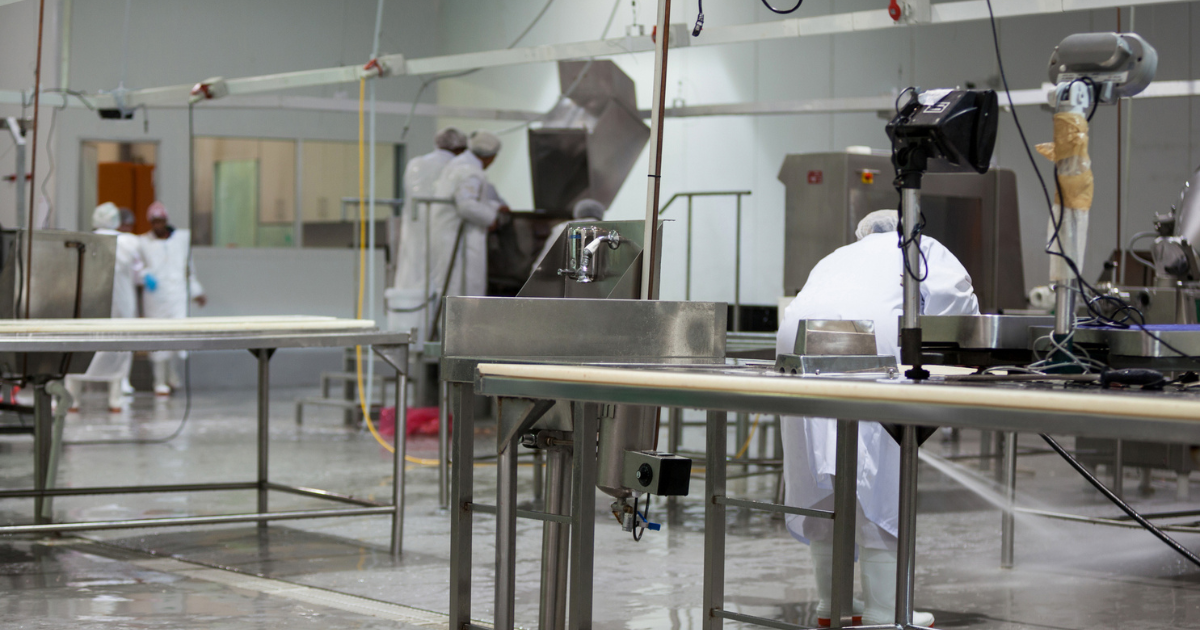
Hygiene also plays an important role in the production and processing of honey. Contaminated honey is generally synonymous with a loss of quality – and, in accordance with the Honey Regulation, no other substances may be added to the honey. Whether it’s effective protective clothing including hygienic disposable gloves, buckets, scales and measuring jugs or jars – our range includes a variety of items to help streamline your honey or other food production. Furthermore, we are happy to advise you, drawing on our extensive expertise gained over more than 100 years. As supply chain specialists, we understand the various challenges within the food industry and provide you with tailored support through high-quality equipment.


More articles