Essig: Von Säure und Raffinesse
7. June 2024Read more

30. May 2025
The term ‘highly processed’ is appearing more and more frequently in connection with food. Most people think they know what it means. At the same time, opinions differ as to which foods are actually included. Why is that? This blog post takes a closer look at the term and examines different forms of processing.

The processing of food has gone hand in hand with the history of humankind. Whether it be cutting or cooking: using a variety of techniques, people have continually developed new dishes that are inedible – or in some cases even harmful to health – when raw and unprocessed; for example, Potatoes Do not eat raw.
The term highly processed refers to a foodstuff that has undergone one or more processing stages during production and/or contains additives. However, there is no standard definition on which nutritionists and others have agreed – rather, there are various approaches to explaining the concept. The NOVA food classification is particularly frequently used here; it attempts to provide guidance on the degree of processing using four categories:
Unprocessed or minimally processed foodstuffs such as fruit, vegetables, eggs, milk or fish. Processes such as the removal of unwanted components, as well as drying and freezing, are included.
Lightly processed ingredients: These are often products derived from Stage 1 foodstuffs – such as oil or sugar. Various processes are required to produce them. The results are often used as additives, to enhance the flavour or texture of food.
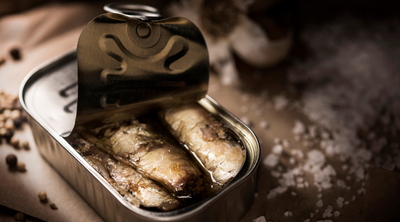
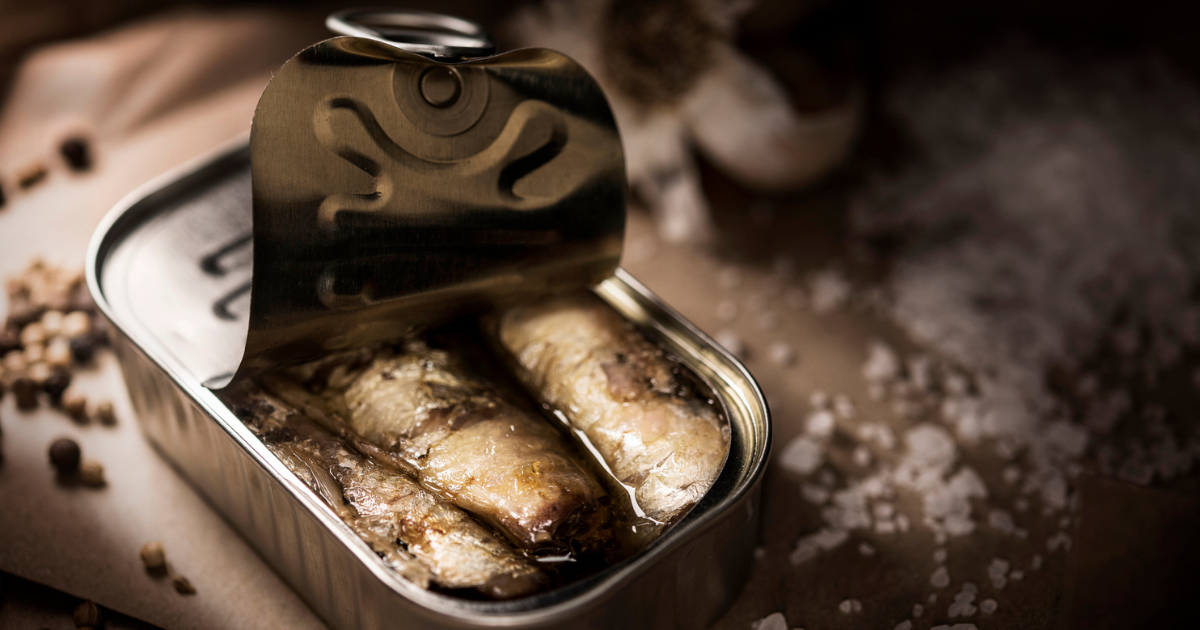
Processed foods: Whether boiled, baked, grilled, fermented, preserved or processed in any other way – this category includes processed foods (stages 1 and 2) that consist of just a few ingredients. Cheese, tinned tomatoes and bread are examples of such foods.
Highly processed or ultra-processed foods: If a food has undergone several processing stages and, in addition, contains numerous additives, the NOVA classifies it as highly processed or ultra-processed food. Specifically, this includes sweets such as chocolate, ice cream and crisps, as well as soft drinks and numerous ready-made products such as frozen pizza – foods that are high in energy but low in nutrients.
The general consensus is that the less processed a food is, the less harmful it is to the body. Highly processed foods are therefore often regarded as unhealthy.
Although the NOVA classification provides a useful guide, it cannot account for all factors. Some processing methods have little or no impact on nutritional value – others, such as the Fermentation, can even improve it. The same applies when pasteurisation is used to kill bacteria in cow’s milk. Here, too, it is important to bear in mind that some foods only become edible after a certain degree of processing and subsequently have a positive effect on health; for example, some Pulses. If, for example, the excessive use of additives and sugar is avoided, the use of processed foods should not be viewed as inherently negative. Furthermore, the Preservation In some cases, the use of additives is necessary to ensure a wide variety of products.
As with so many things, it’s the quantity that makes the difference. As part of a balanced diet, there’s nothing wrong with eating highly processed foods now and then. Depending on the additives involved, excessive consumption of highly processed foods can lead to diet-related health consequences. These can range from obesity, through diabetes and high blood pressure, to disorders of lipid metabolism and bowel diseases.
Ultimately, the food industry is adapting to consumer preferences – and demand for long-life, high-convenience products and frozen foods continues to grow. Despite the need for extended shelf lives, the current trend is towards fewer ingredients and chemical additives. Manufacturing processes are also evolving in line with this demand. At the same time, consumer expectations are rising due to food intolerances and similar factors.
Concerns regarding the use of additives are also likely to be alleviated by the fact that additives currently in use and highly processed foods in general are subject to strict testing procedures to ensure product safety.
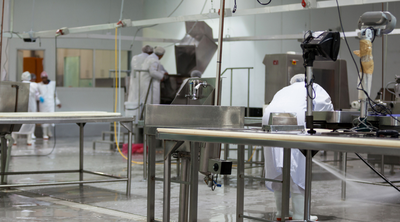
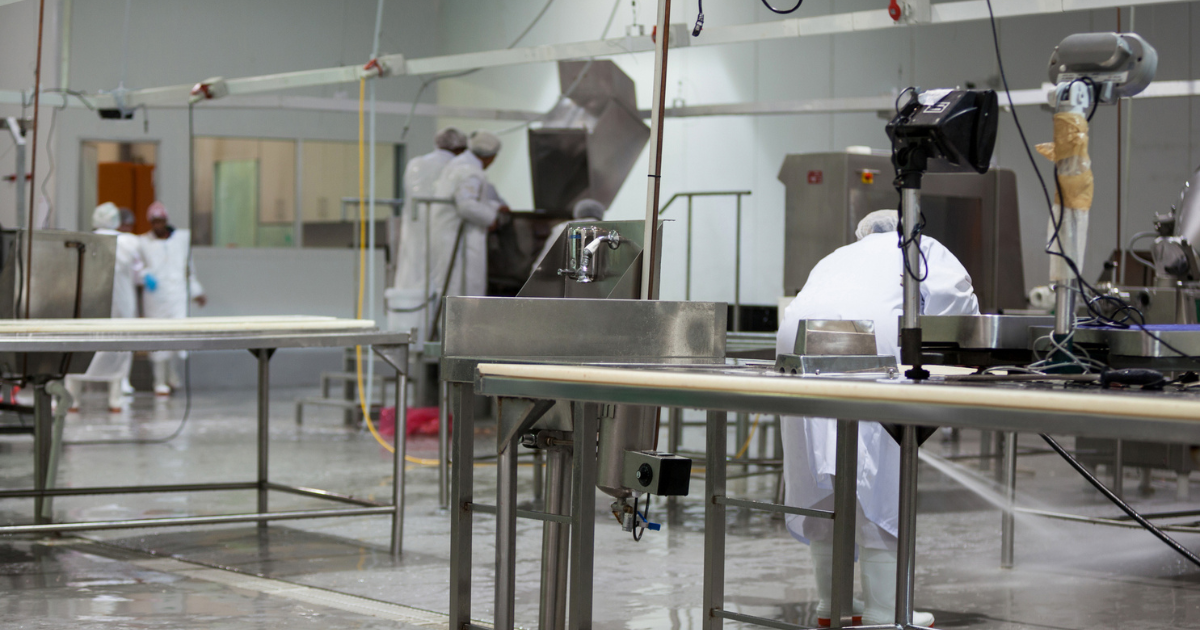
Processing is not necessarily a bad thing. What matters is that the quality is right and that hygiene standards are met.
Our other pieces of equipment also help you to produce tasty and high-quality food. After all, well-made convenience products can also form part of a balanced diet – although highly processed products should generally be enjoyed in moderation.
Whether it’s a commercial kitchen, a restaurant or a food manufacturer – Ehlert’s professional equipment ensures high-quality food preparation that meets modern standards of efficiency, safety and quality.
And that’s no coincidence – it’s the result of decades of experience. We know what matters and will support you in producing top-quality products delicious products.

More articles