Koriander
7. February 2025Read more

15. August 2025
Freezing is one of the most effective ways of extending the shelf life of food. Whilst this sounds quite simple in theory, in practice it requires a certain amount of knowledge. When it comes to the quality or food safety of frozen food, there are several interesting and important aspects to bear in mind during the freezing process.
When food is frozen, most of the water it contains turns to ice – meaning it is no longer available to various microorganisms. This is referred to as reduced water activity (the aw value). Micro-organisms such as bacteria, yeasts and moulds require water to multiply. If the water is bound by freezing, microbial growth in the frozen food comes to a near standstill. Enzymatic reactions, which are responsible for changes in colour, flavour or texture, are also significantly slowed down. These processes make freezing an effective method of preservation. Furthermore, this method of Food preservation in the interests of sustainability, also the Food waste reduce.
The speed at which food is frozen plays an important role in the final product’s suitability for consumption. Slow freezing – for example, due to an insufficient freezing temperature or incorrect portioning – results in the formation of large ice crystals. This destroys cell walls, altering the cell structure of the food and causing more water to be released during defrosting. The result: mushy and watery products. Berries, leafy vegetables and fish fillets are particularly susceptible to this, as they contain a high water content, have a fine cell structure or delicate tissue.
In industrial flash-freezing, for example, food is rapidly cooled to air temperatures between -30 °C and -50 °C, resulting in small ice crystals, a more intact cell structure and higher-quality food once thawed.
Not all foods freeze equally well. Factors such as water content, fat structure and cell integrity are crucial. In addition, food must be fresh and frozen under hygienically sound conditions, and stored at a constant temperature of -18 °C or below. The following foods, for example, are suitable for freezing:
Meat, poultry and fish are among the classics when it comes to frozen foods. When handled correctly, their texture is largely preserved, and there is little change in flavour or colour. How well and for how long fish can be frozen depends, amongst other things, on its fat content. Low-fat varieties such as cod or zander are particularly stable. Fatty fish such as salmon or mackerel are more sensitive to deep-freezing due to their unsaturated fatty acids. Here, the breakdown of fat leads to faster oxidation, resulting in changes to the flavour, colour and texture, as well as nutrient loss.
Cooked dishes such as ready-made soups, BraiseDishes, sauces and stews also freeze well. As they have been cooked beforehand, no significant enzymatic or microbial processes take place. Many dishes, once defrosted and reheated, retain their rich flavors.
Bread, pastries and other baked goods are also a common sight in freezers. Provided the products have not been frozen for too long, their texture and flavour generally hold up very well after freezing.
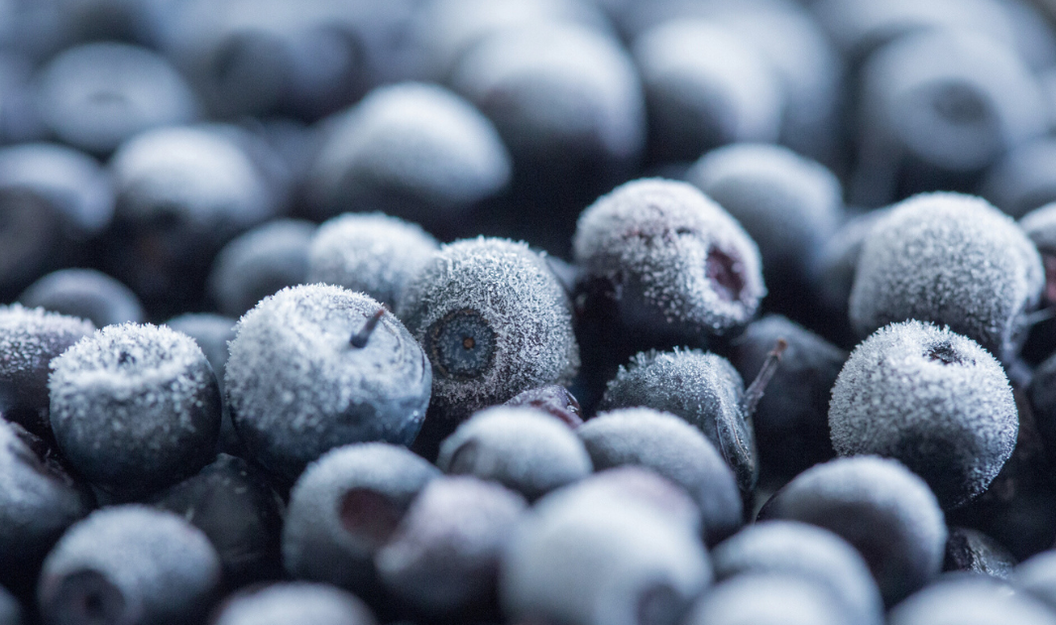
Berries and herbs Many people are familiar with keeping them in the freezer. Although berries are delicate, they freeze well under the right conditions. To prevent them from clumping together whilst in storage, they can be loosely pre-frozen in portions. Even though their texture changes when thawed, their flavour and colour generally remain the same.
Vegetables: To ensure vegetables come through the freezing process in good condition, they should be blanched before freezing. Brief cooking in water or steam, followed by a quick rinse under cold water, stops enzymes that would otherwise not necessarily be deactivated in frozen vegetables. If the vegetables are blanched beforehand, their colour, flavour and nutrients are retained much better.
Leafy salads, raw potatoes and cucumbers are less suitable due to their high water content. Frozen dairy products such as yoghurt or quark usually become flaky.
With frozen food, quality is preserved, not created. Freezing food does not replace the hygiene requirements that apply during its production. Freezing does not kill germs – it merely suspends or reduces their activity. For this reason, only fresh, hygienically sound or pre-prepared products may be frozen. Food producers are subject to various regulations, relating, for example, to hygiene requirements, temperature control, the rapid cooling of prepared meals, and the prevention of Cross-contamination and obligations relating to monitoring and documentation.
Choosing the right packaging plays a vital role in protecting frozen food products. Inadequate packaging poses a hygiene risk and can cause damage through freezer burn or oxidation. This can lead to a loss of nutritional value, flavour, texture and appearance. In industrial production, high-quality packaging is therefore an integral part of product safety as well as the shelf-life and quality management strategy.
Regulatory and functional requirements for packaging include, for example:
barrier effect
The packaging must be airtight in order to reliably keep moisture and oxygen away from the frozen food and prevent any loss of quality.
Mechanical stability
The packaging material must be able to withstand deep-freeze temperatures. It must therefore remain flexible and durable at temperatures below -18 °C to prevent cracks, breaks and other leaks.
Minimised air entrapment
This refers to the reduction or removal of air from the packaging, for example to prevent the formation of ice crystals on the surface of the food. In an industrial context, methods such as vacuum packing or packaging in a modified atmosphere are used.
Food safety
The packaging must be food-safe. This means that it can come into contact with frozen food without posing any health risks.
Labelling capability
Whether it’s a freezer bag in the freezer or the packaging for large batches of frozen goods – clear and permanent labelling is essential for providing all the relevant information or mandatory details.
Anyone wishing to process food to high standards of hygiene and quality needs not only the right expertise, but also the appropriate equipment and effective solutions – from production and packaging right through to cleaning and storage.
As a specialist wholesaler of supplies and consumables for the food industry, we provide you with a reliable range of products. You’ll find everything you need for efficient and safe processes here.


More articles