Mehrweg-Verpackungsgesetz: Was kommt auf Sie zu?
9. January 2023Read more

11. August 2023
Humans need salt to survive – that alone makes its value obvious. But this ‘white gold’ offers even more reasons why it deserves our appreciation: from preserving food to enhancing flavour, salt has a huge impact. It also stands out for its wide variety of types and production methods. Nevertheless, the same principle applies to savoury delicacies: you need to get the quantity right. Too much salt is harmful, just like anything else. This blog article sheds light on what you need to know about these flavour-packed crystals.

The fact that salt is essential for human beings is based on a number of factors. For instance, it plays a part in various biological processes, is a key component in many food preservation methods, and is an omnipresent flavour enhancer. Salt is therefore versatile, and the benefits of this mineral can be found in a number of areas:
The combination of sodium and chloride forms salt. Given this fact, it stands to reason that this mineral can meet the body’s sodium requirements. When consumed in sufficient quantities, it has a positive effect on metabolism and fluid and electrolyte balance. An adequate supply is also essential for maintaining acid-base balance and supporting the nervous system. At the same time, salt acts as a carrier for essential trace elements such as iodine and fluoride, thereby helping to prevent deficiencies in these areas too.
Alongside flavours such as sour or bitter, saltiness is a component that many people greatly appreciate when seasoning food. It is particularly favoured in savoury dishes, but is also often paired with sweet notes. This is because a salty note can enhance the perception of sweetness whilst simultaneously counteracting a metallic taste. Salt is also indispensable in the production of cheese and sausages, as it controls the growth of micro-organisms and improves the firmness of the product when sliced. Bread benefits from the addition of salt, as it lightens the overall texture inside and prevents the crumb from sticking together.
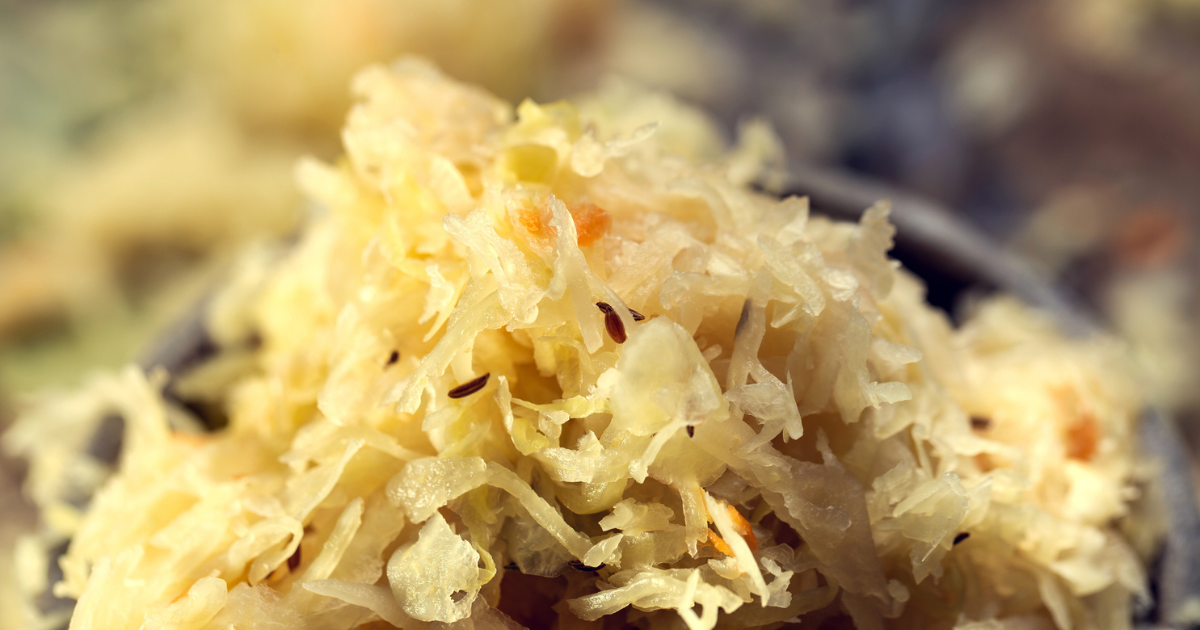
In the context of preservation processes such as salting, curing or lactic acid fermentation, salt also plays a part in a extended shelf life involved. Indispensable for ensuring a sustainable food supply.
The world of salt is rich in varieties and types. It is no longer just the classic iodised salt that is used in most households. There are different chemical compositions, minerals and production methods: a look at the three main categories of table salt and the associated salt extraction processes gives an indication of just how broad the spectrum is:
Evaporation salt: This salt is extracted through underground drilling and, with a sodium chloride content of around 99.6 per cent, is the purest form of salt. To extract it, holes are drilled into the so-called salt seams and the brine is pumped out. Following cleaning and the evaporation process, the mineral – also known as table salt or cooking salt – is produced. Iodine, fluoride or folic acid are often added to it to optimally meet human nutritional requirements. Incidentally, this is not limited to food: one application is in the form of saline solutions used in hospitals.
Examples: table salt, iodised salt, Inca salt
Sea salt: As the name suggests, salt is produced from seawater in this process. The production process relies on the combined action of the sun, wind and gypsum. Here too, cleaning and evaporation are essential steps for successful crystallisation and a flawless product. As the sun’s heat is required, the production of sea salt is firmly established in Europe, particularly in France and Portugal.
Examples: Fleur de Sel, Hawaiian salt
Rock salt: The production of rock salt, on the other hand, does not require water. It is extracted by breaking out salt blocks in a salt mine. Blasting and drilling are also necessary, which is why it is sometimes classified as a supergroup of evaporated salt. This is followed by processes such as grinding and, in some cases, cleaning. As well as being used in food production and processing, it is also used as road salt in winter.
Example: Himalayan salt (sometimes known for its delicate pink colour), black salt
Although they differ in appearance, method of production and price, no type of salt can be classified as healthier than another – even though Himalayan salt, for example, is said to have healing properties. Sea salt is usually coarser in texture and milder in flavour. In addition to the categories mentioned, there are various processed variants, such as herb-infused salts or salt blends.
However extensive the health benefits of salt, or sodium chloride, may be, they come to an end in the event of prolonged excessive salt intake. This can lead to high blood pressure and other cardiovascular diseases – sometimes attributable to an imbalance in fluid levels. The standard recommendations for salt intake are a maximum of 5–6 grams of salt per day for an adult.
Sticking to this limit is not always that easy. Salt is increasingly used in processed foods, and as we get used to it, our craving for it often increases. This is reminiscent of how we deal with sugar: salt is sometimes referred to as the ‘new sugar’. Yet, unlike this sweet flavouring, salt is essential. And even though it is linked to certain illnesses, salt is by no means responsible for as many negative health effects as sugar.
Both manufacturers and consumers have a responsibility to achieve the goal of a balanced diet. Using appropriate amounts of salt in food production therefore seems an obvious step. Consumers themselves are advised to reduce their salt intake gradually: a little less salt each day, and unsalted snacks such as fruit or nuts whilst watching television in the evening.
Incidentally, too much salt is not only bad for people, but also for the soil. In addition to natural factors such as the capillary effect caused by a lack of rain, there are also nitrate- and salt-rich Fertiliser a factor contributing to soil salinisation. To reduce this salinity in the long term, the agricultural sector must switch to using smaller quantities or more environmentally friendly alternatives.
Whether it’s Himalayan salt or any other type of table salt: we simply can’t do without salt – that much is clear. To meet healthy dietary requirements, reasonable quantities of salt should continue to be used in the food industry. And when it comes to processing it, the focus should ideally be on high quality backed by reliable supplies. What’s the easiest way to achieve this? With Ehlert, of course! Here you’ll find a wide range of different table salts in various pack sizes.
Our expertise, gained from decades of experience as a supply chain specialist, is reflected in our products. This applies not only to salts and other spices, but also to machinery, Cleaning agents and Packaging With Ehlert as your partner, you are ideally placed to tackle all matters relating to food production and processing.


More articles