Desinfektionsmatten als Teil des Hygienekonzepts
7. August 2026Read more

20. March 2026
Beans are among the most versatile and important crops in the world and offer enormous potential as a foodstuff. In this country, they are often still regarded as a down-to-earth side dish – for example, served with meat or added to stews or salads. Yet thousands of different bean varieties not only offer an impressive nutritional profile, but also represent a diverse and exciting raw material for the food industry. Let’s take a look at the bean as a foodstuff.
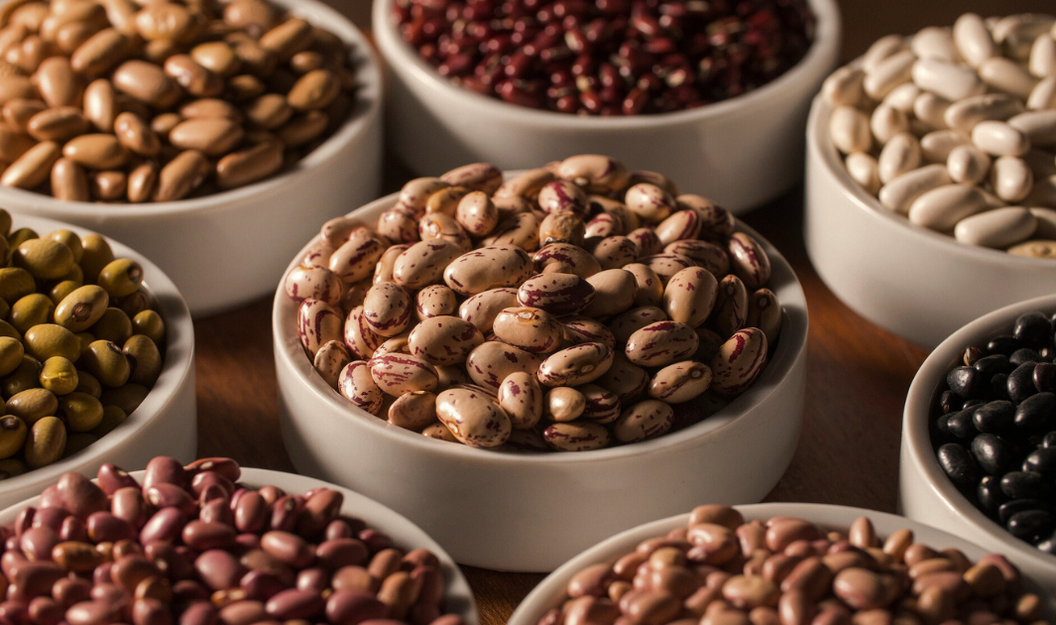
Beans have been cultivated as a crop and used as food in various cultures for many centuries. Today, they play a major role not only in traditional cuisines but also in the modern food industry. Reasons for this include, for example, their long shelf life, good storability, high nutritional value and versatile processing properties.
With the growing interest in plant-based foods, beans have once again come to the fore. They provide valuable plant-based protein and are increasingly being used for Meat alternatives, ready meals or innovative snacks. The wide variety of bean types differs in appearance, flavour, nutritional composition and potential uses. To understand their potential in food production, it is worth taking a look at their botanical classification and their great diversity.
Beans belong to the plant family of the Fabaceae, the so-called legumes, which also include peas, lentils and chickpeas. These comprise several thousand species and are one of the most important crop plants worldwide. The name derives from, and is common to all of them, the formation of Pulses, in which the seeds develop. Another characteristic of many members of the Fabaceae family is their ability, with the help of nodule bacteria, to fix nitrogen from the air and make it available in the soil. This natural process improves soil quality and thus reduces the need for nitrogen fertilisers. The plants thrive even on nutrient-poor soils, leaving improved conditions for subsequent crops and, for this reason, play an important role in sustainable farming systems.
Many well-known types of bean belong to the subfamily of the papilionaceous plants (Faboideae). The name refers to the characteristic shape of the flower, which consists of petals of varying shapes. Taken together, these parts – known as the standard, wings and keel – resemble the shape of a butterfly.
The term Bean is not, in itself, a clearly defined technical term. It is a collective term from everyday language used to refer to various plant species whose pods or seeds are used as food.
Many traditional edible beans belong to the genus Phaseolus – for example, garden beans such as kidney beans, black beans, white beans, pinto beans or green beans, which come in bush or runner varieties. Depending on the variety, either the ripe seeds or, as with green beans, the unripe pods are eaten. In addition to the wide variety of garden beans, the genus also includes, for example, runner beans and moon beans. Other species also play an important role: for instance, the field bean or broad bean (Vicia faba) or even the Glycine max – better known as Soyasoya bean. This is one of the world’s most important sources of plant-based protein, from which numerous products such as tofu, soya sauce and a wide range of plant-based meat alternatives are made.
In addition to the well-known varieties, other pulses – some of which have properties similar to those of beans – are increasingly being used in the food industry. Examples of these include Lupins or other legumes which, particularly due to their high protein content, are of interest to the plant-based market as raw materials.
Beans are considered a nutrient-rich food. A major factor in this is the high level of plant-based protein found in many varieties of bean. In addition, beans provide complex carbohydrates and plenty of fibre. They also contain numerous valuable minerals such as iron, magnesium, potassium and various B vitamins. However, the exact composition of the nutrient profile varies from one type of bean to another. Whilst many traditional edible beans, for example, are relatively low in fat, soya beans contain a comparatively high amount of fat. Although the fat in soya consists predominantly of unsaturated fatty acids, the respective nutritional profile thus also influences the potential applications of specific types of beans in the food industry.
Many varieties of beans contain natural defence substances when raw, known as lectins, which are designed to protect the plant from predators. One particularly well-known lectin is phytohaemagglutinin (PHA), which is found in kidney beans, for example. However, by soaking and cooking them thoroughly, beans become safe to eat and their valuable nutrients can be utilised in a variety of ways.
The industrial use of beans has evolved far beyond dried beans or the traditional tinned variety. In modern food production, they are regarded as a versatile raw material for a wide range of products. As well as being used as a whole ingredient in dishes such as stews, salads and the like, they are utilised in industrial applications in the following areas, for example:
as Bean flour in baked goods or gluten-free products
as Protein concentrates or isolates, which serve as a functional basis
as textured vegetable protein, which is used in meat substitutes
as Snack, which contains valuable nutrients
for fermented Products, which are used to make sauces, miso and tempeh, primarily from soya beans
As well as their nutritional value, the technological properties of pulses are also of interest. Whether for structure, texture or as a binding agent, beans can be used as a functional ingredient in a variety of product categories.
In recent years, demand for plant-based foods has risen significantly. As a plant-based source of protein, beans play an important role in this context. Furthermore, beans offer many benefits in terms of product sustainability: as well as leaving nutrient-rich soil for subsequent crops, their flowers promote biodiversity. Compared with many animal-based protein sources, they generally require significantly less water, land and energy. This resource efficiency makes beans a sustainable source of protein, one that is gaining recognition in the development of various products and modern dietary trends. At the same time, there is growing interest in time-honoured bean dishes from various regions of the world. In this sense, beans combine the valuable knowledge of traditional diets with the possibilities offered by modern food technology.
Whether with or without beans – as an experienced specialist wholesaler of supplies and consumables for food production, we can provide you with the right equipment. Spices, workwear, the right packaging for your goods, cleaning agents and much more – our extensive range offers you a wide selection. Everything from a single source, backed by over 100 years’ experience and expertise in the food industry.


More articles