Fermentieren
9. May 2025Read more

9. May 2025
Fermentation fits seamlessly into the trend towards reviving traditional methods of cooking and processing food. This preservation method is currently enjoying a sort of culinary renaissance and is being (re)discovered in many places and in various forms. Whether in the form of spicy kimchi, aromatic sauerkraut or tangy kombucha – fermentation goes hand in hand with great flavour, health benefits and improved sustainability. Reason enough to put the process in the spotlight and shed light on interesting facts about fermentation.

Essentially, fermentation is a natural process. When food, or the carbohydrates it contains, is transformed by the addition of bacteria, fungi, cell cultures or certain enzymes – known as ferments – it undergoes fermentation. This produces acids, gases or alcohol. These factors influence not only the flavour, vitamin content and digestibility, but also the shelf life, which is extended.
Generally speaking, these three types of fermentation are the most common:
Lactic acid fermentation
Alcoholic fermentation
Acetic acid fermentation
Fermentation involves both aerobic and anaerobic processes – that is, those that take place with and without oxygen. This part of the fermentation process falls within the anaerobic stages – even though oxygen must be added during the production of acetic acid. Some foods, such as the drink kombucha, undergo all three of the types of fermentation mentioned.
The fermentation process can usually be described in three stages:
Preparation: The vegetables or other foodstuffs to be fermented are chopped up, often salted, and placed in an airtight container. Salt or brine inhibits the growth of harmful bacteria and promotes lactic acid fermentation. In the case of vegetables, brine alone is sufficient to initiate natural fermentation. For other foods, a suitable enzyme must be added.
Fermentation: Once the oxygen in the container has been ‘used up’, the microorganisms begin to break down the carbohydrates into lactic acid. As a result, the pH level falls, thereby preventing the product from spoiling during the fermentation process.
Maturation: In the third stage, the flavour develops further as various flavors and probiotic cultures become more pronounced.
The time it takes for fermentation to be complete depends on the product in question. Kimchi only takes a few days, whilst miso can sometimes take months.
Fermentation has been practised deliberately for thousands of years. It is thought that the origins of this Food preservation in China. Later, it helped sailors combat scurvy, as fermented foods made it easier to obtain vitamin C. This method of preparation is used worldwide and enriches national cuisines with a variety of regional specialities.
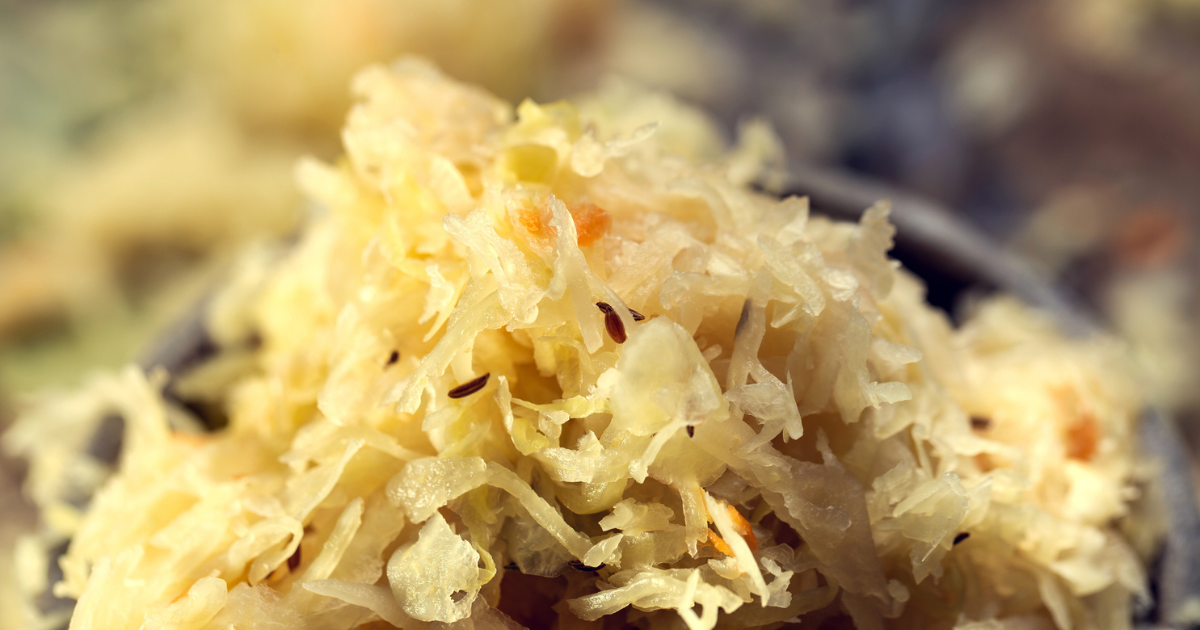
Germany: When it comes to German cuisine, sauerkraut is never far away. This classic dish made from white cabbage is a staple of German cuisine, produced through lactic acid fermentation using lactic acid bacteria.
Korea: Whilst Germans tend to favour purely sour flavours, many Koreans also like their food spicy. Kimchi is made from fermented vegetables, often Chinese cabbage, which are seasoned with hot spices. It is a very popular side dish that accompanies many meals.
Japan: Strong flavours are also very much the norm in Japan. The traditional Japanese seasoning paste, miso, or the internationally popular SoyaSauces are traditionally made from fermented soya beans.
The Caucasus & Europe: Kefir and fermented milk products such as sour milk, buttermilk and yoghurt have been a staple of diets for centuries. They are also very popular here in this country.
There are a whole host of good reasons why fermentation is worthwhile – both at home using preserving jars and in professional food production. The extended shelf life mentioned above goes hand in hand with the benefits of a improved sustainability through the Preventing food waste go hand in hand – moreover, this approach also allows regional produce available all year round can be enjoyed. Furthermore, fermented foods are not only more flavourful, but often also healthier. They are generally easier to digest and have a positive probiotic effect on the gut. Furthermore, during fermentation other vitamins and minerals.
The range of foods suitable for fermentation is by no means limited to cabbage. In addition to other vegetables such as carrots, Beetroot As well as garlic, various fruits and herbs are also suitable. Soya is considered a good base, and various dairy products are also enhanced in flavour through this process. Drinks ranging from beer to tea, as well as the trendy drink kombucha, benefit from this method of preparation.
As with many other projects in the food manufacturing and processing industry, we can also assist you with fermentation. Whether using containers of various sizes, salt Whether you need brine, stirring spoons or equipment for measuring pH levels – we’ll provide you with exactly what you need. We also sometimes supply starter cultures, which can make the fermentation process easier.
We are here to support you every step of the way – right through to clean production – with our high-quality equipment. You can rely on our decades of experience.


More articles