Essig: Von Säure und Raffinesse
7. June 2024Read more

21. August 2026
Cutting boards are an indispensable part of many food businesses – from commercial kitchens and bakeries to butchers’ shops. They are used when portioning meat, filleting fish, cutting baked goods or chopping fruit and vegetables. A suitable chopping board serves several purposes: it protects the work surface, preserves the life of knives and blades, and helps to ensure that work processes take the risk of cross-contamination into account. In this blog post, we take a look at various types of chopping boards.
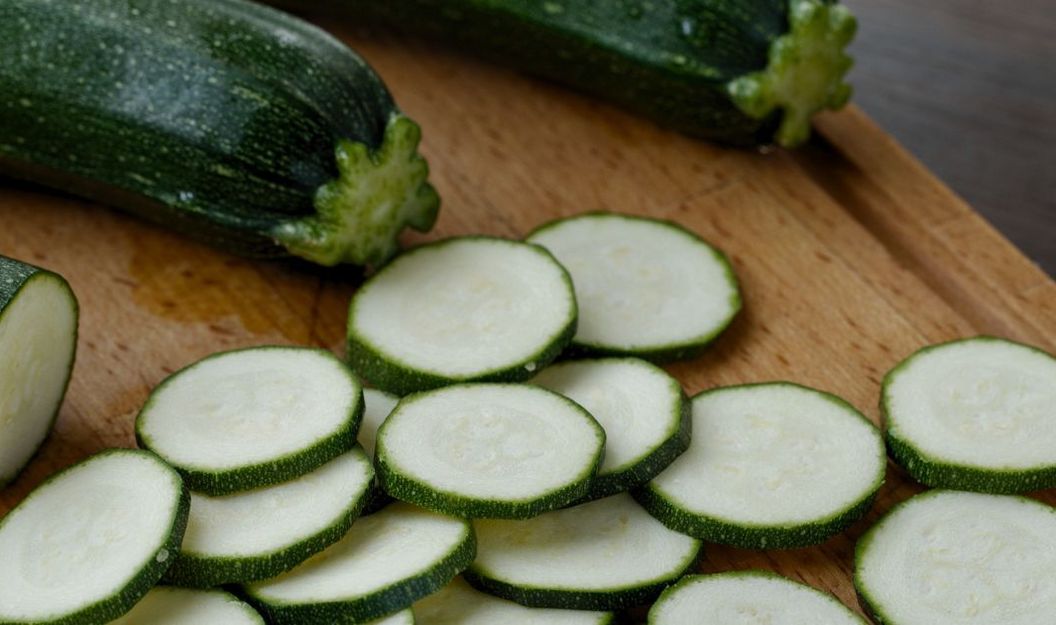
Given the wide range of applications, there is also a wide variety of cutting surfaces. Traditionally, these differ in terms of size, thickness and material. For small pieces of food, small chopping boards are often sufficient, whilst larger ingredients or quantities require large cutting surfaces or solid chopping blocks.
Additional features include, for example, an integrated juice groove that catches any liquid that runs out, thereby keeping the work surface clean. There are also chopping mats with and without anti-slip properties. Flexible versions are particularly useful for lifting the cut food along with the mat and, for example, transferring it into a container. However, they are more suitable for light cutting tasks. Depending on the various requirements, the following cutting mats are used in the food industry, for example:
Chopping boards: They are versatile and ideal for chopping meat, vegetables, cheese, bread and many other foods.
Chopping blocks: Their solid and sturdy construction is designed for heavy-duty tasks such as cutting up, portioning or chopping meat.
Cutting boards: These large boards provide ample space for cutting larger pieces of food with precision.
Worktop extensions: These are placed on top of worktops to create an additional work surface that is food-safe and easy to clean.
Flexible cutting mats: These thin, pliable mats are particularly suitable for light cutting tasks and make it easier to transfer ingredients.
Large worktops for cutting or preparation: they provide ample work surface for large pieces of produce or large quantities and are used, for example, in butchers’ shops, commercial kitchens and production facilities.
In food production, chopping boards are usually made either from plastic – such as polyethylene or polypropylene – or from wood. Each material has its own advantages and requirements. Plastic chopping boards retain their shape and absorb very little moisture. They are generally dishwasher-safe and can be cleaned at high temperatures. The manufacturer’s instructions are crucial. Another advantage is that they are available in a range of colours.
Wood is not only valued for its natural appearance. Its stability and the way it protects knives also contribute to the popularity of wooden chopping boards. As wood gives way slightly when cutting, it can protect the blades, so that a Knife sharpening is rarely necessary. As wood tends to absorb moisture, machine cleaning is often not advisable, and even when cleaning by hand, care should be taken to ensure that the cutting mats or boards are not left in water for too long. Ensuring the boards are completely dry is just as important as regularly checking them for deep cracks, swollen areas or noticeable discolouration. Wooden boards are used particularly frequently for bread, baked goods, cheese and other relatively dry foods. However, which products can be safely processed on wood also depends on the design of the board and the establishment’s hygiene policy.
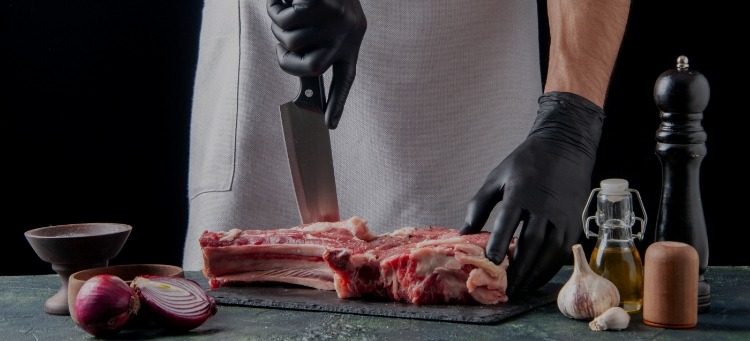
Cutting boards are widely used in the food industry. Butchers’ shops often require sturdy boards, whilst delicatessens also need small cutting boards. As a general rule, the food to be cut should fit entirely on the board. Non-slip surfaces provide an additional safety feature. Where a large number of chopping boards are required within a business to process different types of food – such as in commercial kitchens or catering – coloured chopping boards are often used.
Two key factors in food production are hygiene and efficiency. Colour-coded chopping boards combine both: they show at a glance which food group the board is intended for, thereby promoting food hygiene. The clear allocation of equipment makes it possible to process raw and cooked foods separately, quickly and easily. Colour-coded chopping boards are therefore an important step in Preventing cross-contamination.
For this to be successful, strict adherence to the predefined colour-coding system is essential. The specific assignments should be clearly defined and documented in the company’s HACCP and hygiene plan, and communicated to all staff. Although the cutting mats are used consistently, thorough cleaning is, of course, essential.
It is a good idea to carry out a visual inspection for major damage before each time you use a chopping board. With chopping boards, it is inevitable that they will quickly develop superficial nicks during normal use. These do not usually necessitate replacement – deeper grooves, frayed edges, severe discolouration or warping are more serious issues. Food residues and germs can accumulate in these areas, which is why such items should be replaced. The same applies if they no longer lie flat. On some PE chopping boards, superficial signs of wear can be professionally removed using a chopping board planer designed for this purpose. In doing so, the manufacturer’s instructions and the need for sufficient remaining material thickness must be taken into account. This process extends the service life of the utensil, reduces costs and contributes to sustainable working practices.
When it comes to cutting mats, quality and expertise in their use are key. Thanks to our many years of market experience and dialogue with our customers, we offer a product range that is tailored to the needs of the food industry and effectively supports day-to-day production. This applies not only to cutting mats and knives, but also to larger tools and machines, as well as other equipment, both large and small. Discover our range – our digital services make shopping particularly easy.


More articles