Essig: Von Säure und Raffinesse
7. June 2024Read more

24. November 2023
The crispier, the better – that’s probably how many people would describe their preference when it comes to breading. In fact, the right breading can quickly become the highlight of many dishes. But not all breading is the same. There isn’t just one way to do it; as with many other foods, there’s a colourful variety. The coating can be adapted depending on the purpose and personal preference. In what forms it comes, what else you need to know about breading, and how Ehlert can help you with breading, deep-frying and serving – you’ll find out all this in this blog post.

Strictly speaking, ‘Panade’ means something like ‘bread soup’ – and in fact, ‘Panierung’ and ‘Panade’ are not actually synonyms, even though they are used interchangeably in everyday language. Whilst ‘panade’ refers to a thick, paste-like mixture used for filling or loosening, ‘paniering’ is the familiar coating applied to chicken pieces and the like. However, for the sake of consistency, we’ll also use the term ‘panade’ in a general sense throughout this article. The origins of this cooking technique are difficult to pinpoint – what is clearer, however, is that it enjoys great popularity.
Breading involves coating a food item with other ingredients before frying or baking. The breading itself usually consists of dry ingredients, which are held in place, for example, by dipping the food in flour and egg. As well as the crispy outer layer mentioned above, which many people enjoy, the process has another beneficial effect: it protects the inside from drying out and often helps to ensure an even, golden-brown colour in the final result.
Traditionally, breading is carried out in three stages on the breading line:
The food in question is coated in flour (flouring).
Then dip them evenly into the liquid.
Finally, they are thoroughly coated in breadcrumbs or another type of coating.
All these steps are necessary to ensure that the tasty coating sticks to the food and does not fall off whilst frying or in the deep-fat fryer. After the third step, the breaded food is either cooked straight away or frozen for later consumption.
For wet batter, beaten egg is often used, but milk or beer are also options. There are at least as many variations available when it comes to dry coating. As well as the all-rounders – breading crumbs and breadcrumb mix – cornflakes, almonds or nuts are also suitable for that special crunch. The Japanese version, panko, for example, is hard to beat when it comes to crispiness thanks to its coarser texture. Spices can also be used to personalise coatings with ease. Alternatively, for coating desserts, biscuits can be crumbled or cinnamon and sugar can be used.
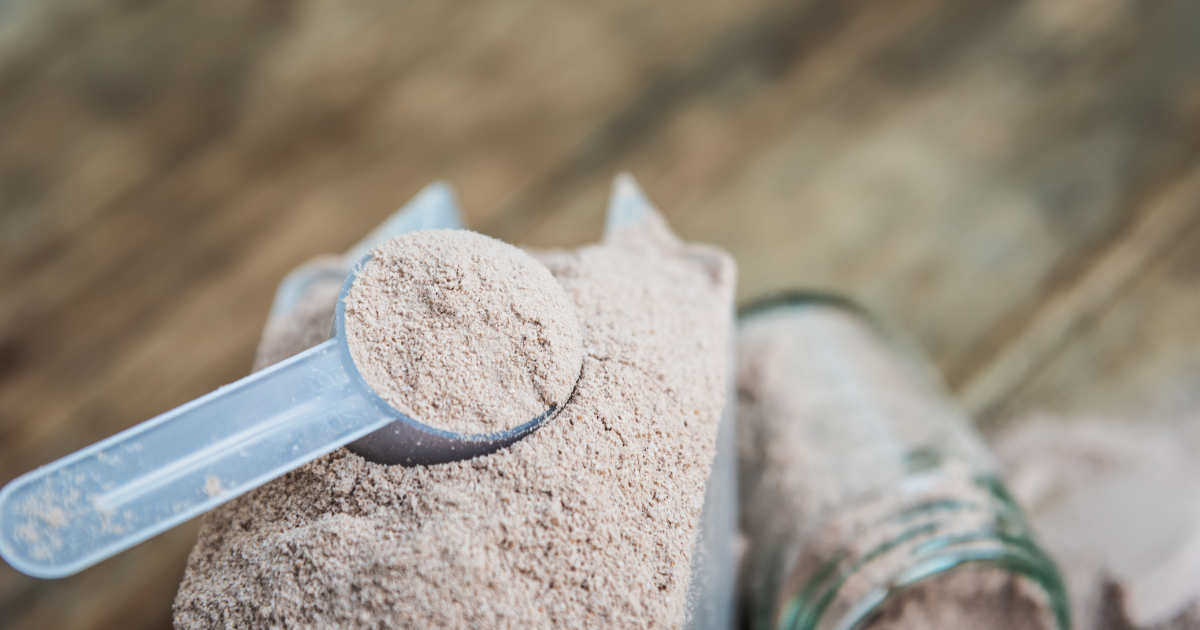
Like the question ‘Flour or starch?“Whether to use ‘breading crumbs’ or ‘Semmelbrösel’ is almost a matter of personal preference. On closer inspection, the main difference between the two words is obvious: ‘Brösel’ (crumbs) versus ‘Mehl’ (flour). Whilst breadcrumbs are the result of finely ground bread, breadcrumbs are slightly coarser. They are also made from stale bread rolls. Most foods can be coated with either without any problems – those who prefer a finer, more even crust are best off using breadcrumbs. Those with a taste for rustic flavours, on the other hand, will prefer the crispy texture provided by breadcrumbs. In our shop, you’ll find both breadcrumbs and breading crumbs – as well as plenty of other useful products.
Whether you’re using breading crumbs or breadcrumbs: for both products, ensuring they are evenly distributed, turning them over and allowing them to rest briefly before frying, baking or deep-frying will help ensure the dish turns out perfectly. As with all dishes, temperature plays a key role here too: make sure it doesn’t get too hot, so that the delicious coating doesn’t burn.
When it comes to the The Future of Food, the topic of sustainability keeps cropping up. Panade scores highly in this regard on a small scale. Leftovers such as stale bread rolls or biscuits can often be used for various coatings, thus preventing them from going off. But there’s also the opportunity to act sustainably on a larger scale – with Ehlert’s bulk packs. You can choose between different sizes, ensuring you get exactly the quantity that suits your needs. And all without the vast amount of waste that numerous small packets would have generated.
Gustav Ehlert GmbH knows what makes a good breadcrumb coating. Nearly 100 years of experience as a supplier to the food industry have taught us what is required in production. You can therefore be confident of high quality across our range. This naturally also applies to our tools, equipment and other accessories – because once the breading is done properly, the next step is into the frying pan or deep-fat fryer.
We’ll ensure your projects are a success too.

More articles