Biofilm: eine Herausforderung für Lebensmittelbetriebe
8. August 2025Read more

26. December 2025
When it comes to traditional spices that are a firm favourite in festive Christmas cooking, bay leaves are an essential part of the list. As well as in meat dishes, they are also popular in sauces and marinades, as well as in pickled foods. It is particularly prized for its deep and intense aroma. As well as its flavour, the plant has a long cultural history. To ensure it delivers its best flavour, there are a few things to bear in mind when using it. Let’s take a closer look at bay leaves – from the plant to the spices.
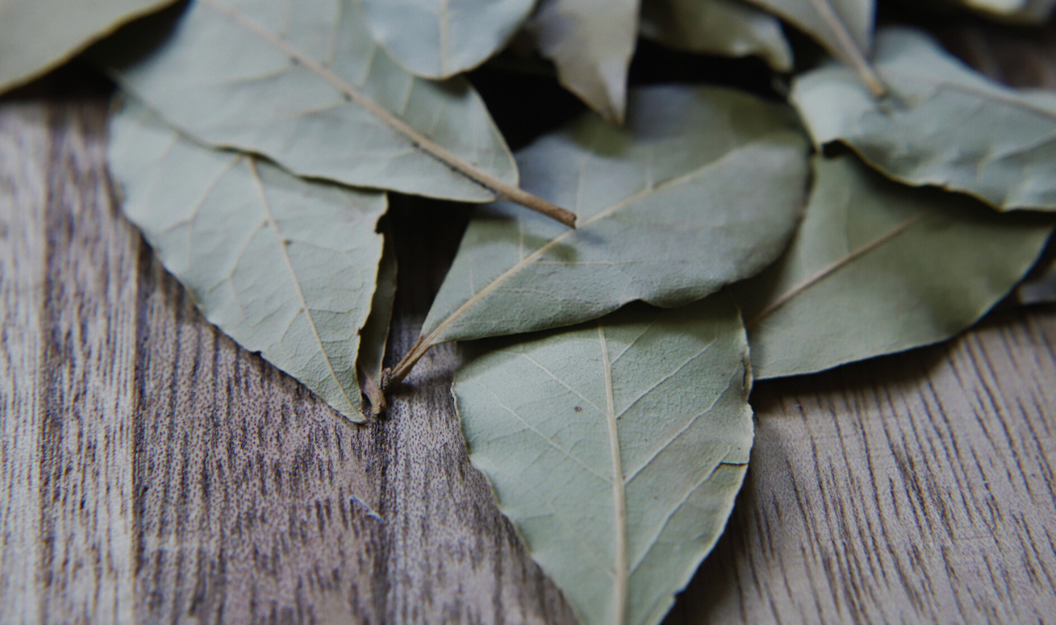
In the food industry, the general term ‘laurel’ usually refers to the common laurel. Although ornamental laurel and cherry laurel are also referred to as laurel, they do not belong to the genus Laurus and are not suitable for consumption. Common laurel is known by the botanical name Laurus nobilis It is cultivated and belongs to the laurel family. It is thought to have originated in the Near East, from where it spread throughout the Mediterranean region. It can now also be found in Africa and Europe – it is one of those undemanding plants that, however, cannot tolerate frost very well. Depending on its location and care, it grows as a laurel tree or shrub and can reach a height of several metres.
As well as being used as a spice, the laurel plant is also regarded as a traditional medicinal plant. It is also grown for decorative purposes, as it is evergreen. Its symbolic significance as a symbol of glory and victory, in the form of the laurel wreath, was not confined to ancient Rome – to this day, the phrase ‘to reap the laurels’ is used to denote recognition. The silver laurel leaf is still awarded today for exceptional sporting achievements.
To achieve the desired intense bay flavour, it is essential to use a gentle process when harvesting the leaves from the bay tree or shrub and during processing. Late summer is considered the ideal time to harvest the traditionally dark, evergreen leaves of the Laurus nobilis. Although they can be used fresh, they develop their full flavour when dried, as the water content is reduced and the flavors become more intense – and they also keep for longer this way.
The following steps, amongst others, are key to producing a high-quality spice:
careful harvesting, ensuring that the plant is not damaged
thorough cleaning of the leaves
controlled drying at low temperatures
Sorting by size and quality
airtight packaging to preserve the essential oils
Bay leaves are traditionally used whole for seasoning. To preserve their essential oils and flavour, the leaves should be protected from light, oxygen and moisture.
Three main products are made from the laurel tree: laurel oil from the berries, essential oil from the leaves and twigs, and dried leaves for seasoning. As an oil, laurel is used in soaps, ointments, cosmetic creams and room fragrances. For the food industry, however, the leaves are of far greater interest. The bitter note is often less intense than in fresh leaves, although it is still a defining characteristic. Added to this are tart and spicy nuances, and occasionally a hint of cinnamon, nutmeg or Lemon.
Thanks to its versatile flavour, bay leaves can be used in a variety of dishes. Traditionally, the leaves are used in Stews It’s often used with game. But fish marinades, sauces, pickled vegetables and Bolognese can also benefit from its versatile flavors. Bay leaves add that extra touch of flavor, particularly to festive dishes. It’s important to remove the dried bay leaves before serving, as they are quite tough and taste unpleasant when bitten into. As a rule, half an hour is usually enough for the flavors to infuse during cooking without the bitter compounds becoming too pronounced. Furthermore, with bay leaves, less is often more.
Whether you need to score fresh bay leaves, process the product cleanly or remove the leaves from soups and other dishes: we provide you with everything you need, right down to suitable packaging complete with a label. Discover our range of knives, cleaning agents, disposable gloves, sieves, packaging and more. This enables you to produce bay leaf-based products reliably, safely and to a consistent standard – whether in a gourmet kitchen or within the wider context of the food industry.
As a supplier to the food industry, we at Gustav Ehlert GmbH know what matters most. Our range offers the right products to meet the various challenges involved in food production. Furthermore, we are happy to support you with our expertise, drawn from over a century of experience in the industry.


More articles