Biofilm: eine Herausforderung für Lebensmittelbetriebe
8. August 2025Read more

25. October 2024
It is undesirable, yet it is still there: acrylamide. Quite a few foods contain this so-called process contaminant, which can be potentially harmful. It is formed during the heating process, and some foods are more affected than others. But why is this the case – how is it formed? And which foods are particularly affected? The following blog article explores these and other questions relating to health risks, current regulations and ways to avoid it.
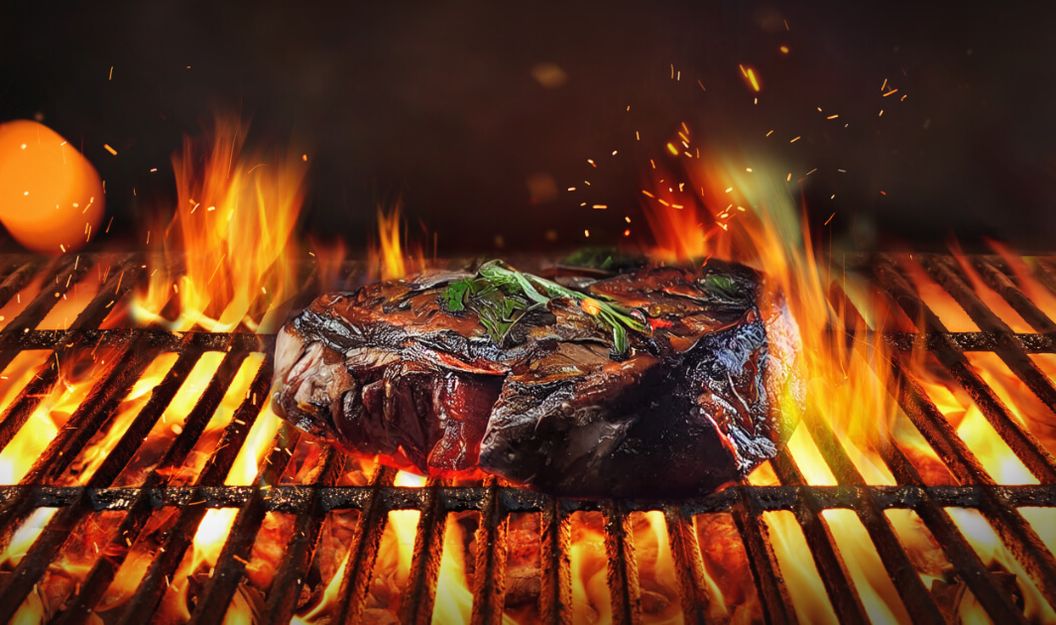
When acrylamide is found in food, it is what is known as a ‘process contaminant’. This means that it is formed during production or whilst the food is being heated – whether through baking, deep-frying or frying – and is an undesirable by-product. It is a chemical compound that forms as part of the browning reaction, known as the Maillard reaction. Whilst it contributes to the characteristic smell and taste, it is also potentially linked to certain adverse health effects. As a precautionary measure, consumer protection guidelines therefore recommend that people should consume as little acrylamide as possible.
As already mentioned, acrylamide is formed during various heating processes, but certain foods or their constituents are particularly conducive to its formation. These include a high content of certain amino acids, including asparagine, and starch or sugars such as fructose and glucose. At temperatures above 120 °C, a reaction occurs leading to higher acrylamide levels; this is particularly pronounced at temperatures above 170 °C. Product groups such as sweet pastries, coffee, but also savoury dishes made from cereals and potatoes – such as chips and crisps – as well as the associated crusts are often affected, particularly when the food has been subjected to intense heat.
Although the effects of acrylamide on humans have not been conclusively investigated and previous studies have yielded partly contradictory results, animal studies reveal a potential risk – particularly at high doses. These studies have shown an increased risk of genetic mutations and tumour development due to the conversion of acrylamide into glycidamide in the liver. The European Food Safety Authority (EFSA) confirms this risk. For this reason, acrylamide has been classified as a potential carcinogen. There is therefore cause for caution in all cases, particularly with children, as they eat more in relation to their body weight – and thus reach a high dose of acrylamide more quickly.
The potential dangers posed by acrylamide have long been recognised. In view of the potential health risk, regulations have been introduced to provide guidance on handling the substance and implementing measures to minimise its levels. A strategy to minimise acrylamide has been in place in Germany since 2002 and across Europe since 2011. This strategy primarily monitors foodstuffs that are particularly affected. Levels have been reduced through optimisations such as modified recipes or lower production temperatures. Since April 2018, measures to reduce acrylamide levels have also been mandatory under the EU regulation, so that levels remain below the defined Guideline lie.
Consumer organisations are therefore calling for stricter measures: maximum limits on acrylamide levels should be set for affected product groups, and foodstuffs exceeding these limits should be banned from sale.
Even though there is not yet a ban on foods with high acrylamide content, manufacturers should be aware of measures to minimise levels so that they can at least act in accordance with the ALARA principle (As Low As Reasonably Achievable).
Alternative manufacturing process: For many dishes, heating by Deep-frying or frying is essential. Where this is not the case, boiling and simmering can be used instead.
Temperature and time adjustment: In some cases, it is also possible to produce delicious and safe food by cooking for a shorter time or at lower temperatures. This can help to reduce acrylamide levels.
A tan rather than a dark tan: Even a light golden colour can taste delicious – and usually contains less acrylamide than much darker, almost burnt food.
Careful food choices and precautions: A high sugar content promotes the formation of acrylamide. Conversely, this means that less sugar can also lead to lower levels of acrylamide. If potatoes are stored at low temperatures, their sugar content increases. As a result, they are less suitable for processing.
Use of additives: The formation of acrylamide can be reduced by adding certain additives such as asparaginase. When food is treated with this enzyme, it prevents asparagine from being converted into acrylamide.
Caution is advised with regard to the acrylamide content in food, and guideline values or trigger levels for acrylamide formation should be adhered to. After all, food must not cause illness, and potential risks must be taken seriously. In addition to the methods listed for reducing acrylamide levels, regular monitoring and checking of the individual stages of food production is also strongly recommended. Gustav Ehlert GmbH is here to provide you with reliable support in this regard, with thermometers and other equipment.
With a century of experience behind us, we understand the demands and challenges of the industry and recognise the enormous responsibility we have towards consumers. That is why we provide you with high-quality, tailor-made and prompt solutions covering all aspects of food production and the associated hygiene requirements. You can rely on us!

More articles