Koriander
7. February 2025Read more

3. July 2026
On chips, in potato salad, as a base for burger sauces or in vegan delicatessen products: mayonnaise appears in many forms – sometimes obvious, sometimes hidden – in the catering trade, the food industry and home kitchens. The sauce, which has a relatively simple basic recipe, is popular – but it does have certain requirements in terms of hygiene, storage, ingredients and consistency. Producers must therefore take various aspects into account, particularly when it comes to sustainable product innovations. This blog article is dedicated to mayonnaise and its distinctive features.
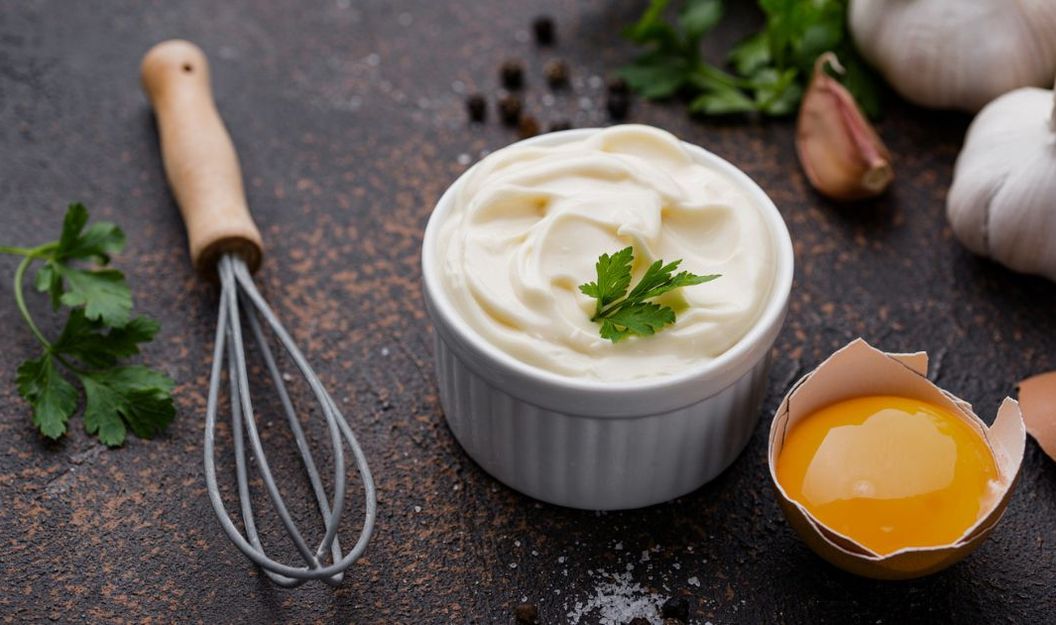
Mayonnaise is known all over the world. Although it is such an everyday food, it is certainly anything but boring. From a technological point of view, the composition of the ingredients is fascinating, as it is an oil-in-water emulsion in the classic sense. Vegetable oil is combined with vinegar or lemon juice using egg yolk as a natural emulsifier. This ensures that the two ingredients do not separate again straight away. In addition, depending on the recipe, salt, Mustard and add some more spices.
As well as the proportions of the individual ingredients, the method of preparation – for example, using a whisk or an electric hand blender – and the quality of the ingredients are also crucial.
As well as its classic use as a dip, mayonnaise has many other potential applications. In the catering and food manufacturing sectors, it is very much a staple ingredient. Whether used on its own or as a base for further processing into sauces, dressings and the like – this is where mayonnaise really comes into its own:
Delicatessen salads such as Potatosalad, pasta salad or egg salad
Sandwiches, wraps, burgers and open-faced rolls
Dips, remoulades and burger sauces
Fish, meat and vegetable dishes
Convenience products for chilled displays, the counter or takeaway ranges
Marinades and light dressings for commercial kitchens and the foodservice industry
Mayonnaise is not only valued for its rich flavour. It binds the ingredients together, adds creaminess and creates a pleasant mouthfeel. It can also have a positive effect on the appearance, firmness when sliced and shelf life of products.
Whether in a restaurant using a hand blender or in an industrial production facility, the emulsion is what determines whether the mayonnaise turns out successfully. From incorporating the vegetable oil too quickly, to an unsuitable temperature, to an insufficient amount of egg yolk, many factors can cause the mixture to curdle. Instead of a creamy consistency, the result is a separated mixture of oil and liquid.
In industrial production, manufacturers must therefore take several factors into account. These include the fat phase, acidity, pH, viscosity, the size of the oil droplets and microbiological safety. In addition, lemon juice, vinegar, salt, mustard, sugar and spices, as well as egg yolk and oil, all influence the flavour, stability and shelf life.
Consistent processes are also crucial. When producing mayonnaise on an industrial scale, a consistent texture, reproducible flavour, clean filling and reliable cooling are essential.
In the traditional version, mayonnaise contains ingredients derived from eggs. Particular care must be taken when using fresh eggs, as the risk of salmonella contamination is higher than with pasteurised egg products, which are predominantly used in the food industry. In both cases, it is important to ensure that raw materials are safe, hygiene standards are maintained, work areas are kept clean and temperatures are controlled.
The specific challenges involved in making mayonnaise include the following:
Preventing microbiological contamination from eggs, spices or kitchen utensils
consistent texture even during storage, transport and further processing
Prevention of phase separation
Consistent dosing and hygienic filling
Consistency in sensory characteristics and flavour across different batches
There are also a number of factors to bear in mind when developing individual recipes. Without an adequate substitute, too little fat will result in a loss of creaminess; without egg yolk, a different emulsifier must be used; and when reducing the salt content, acid, spices or flavors are needed to season the recipe to taste.
Mayonnaise is one of those products which, with just a few basic ingredients such as oil, egg yolk, vinegar or lemon juice, offers great potential for further development and adaptation to market demands. Vegan varieties, in particular, are enjoying growing popularity as plant-based diets become increasingly prevalent. To replace the egg yolk, plant-based emulsifiers and proteins are used – for example, those derived from peas, Soya or field beans. Aquafaba, which is the cooking liquid from Pulses, is used in such formulations.
Added to this is the constant demand for diet options and ‘light’ products. Whether in a reduced-fat form, as a high-protein sauce or organic mayonnaise, there are many ways for manufacturers to respond to market trends, cater to target groups or position themselves in a niche. These also include mayonnaises with distinctive flavours such as chilli, truffle, curry, wasabi or even sweet varieties.
Refrigeration is a crucial factor when it comes to mayonnaise. Homemade mayonnaise should be refrigerated immediately and consumed as soon as possible; commercially produced products should generally also be placed in the fridge once opened. For commercially produced products, the shelf life sometimes depends on the ingredients and the packaging. The relevant details on the packaging provide the necessary information. As with all foodstuffs, the risk of premature spoilage can be reduced by using clean utensils, sealed containers and maintaining a consistent cold chain.
Whether you’re making homemade truffle mayonnaise with a whisk or producing delicatessen items, dips and sauces on an industrial scale using large machines, safe processes, hygienic working conditions and the right equipment are crucial. We support food production businesses with a versatile and tailored range – from hygienic clothing and disposable items, through cleaning and disinfection supplies, to packaging solutions and practical accessories.
If you produce mayonnaise, delicatessen salads, dressings or other sensitive foodstuffs, you’ll benefit from our reliable equipment, over a century of industry expertise and an extensive range of products tailored to the needs of modern food businesses. From A for flavors to Z for lemon juice, we are your supply chain specialist.


More articles