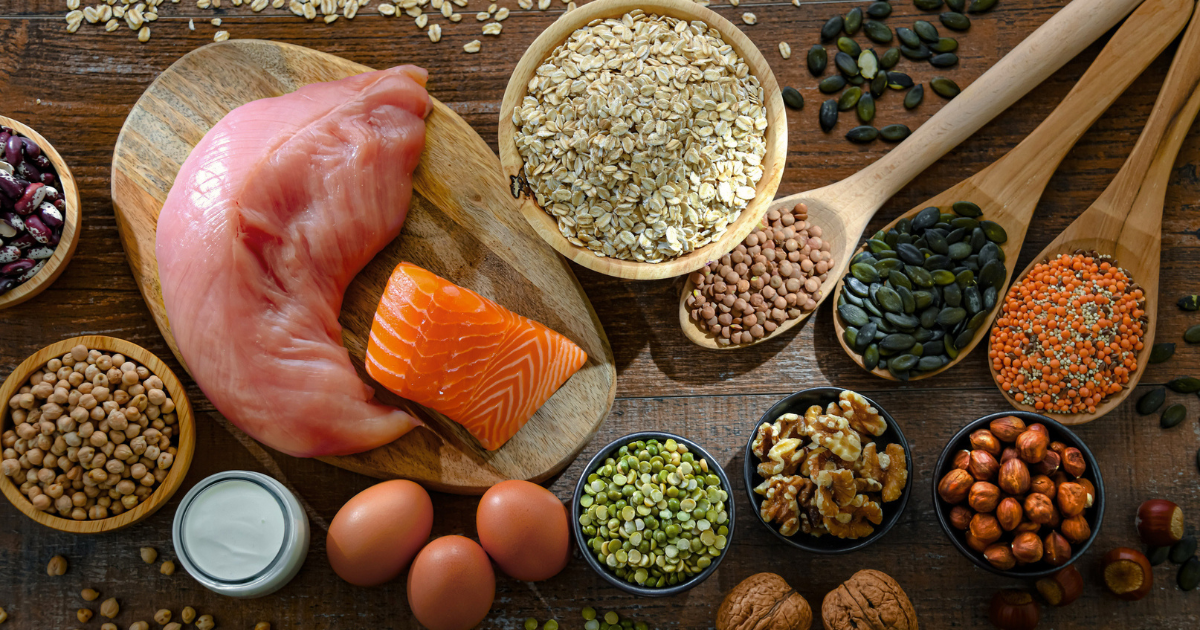
Eiweißreiche Zutaten in der Lebensmittelproduktion
23. October 2026Read more

10. November 2023
There’s hardly a savoury dish that isn’t improved by a little pepper – because whether coarsely or finely ground, whether white or black, this spice adds flavour, heat and warmth to every dish. Whilst it’s now a kitchen staple, it used to be a luxury item. This blog post explores how pepper became a culinary all-rounder, the different varieties and production methods available, and all sorts of other interesting facts. And because pepper, just like salt, is a true all-rounder, it’s naturally ubiquitous in the food processing industry and various commercial kitchens too! Large quantities are required, as you won’t get very far here with the pepper mill from Grandma’s kitchen. At Ehlert, alongside other spices for tasty delicacies, you’ll also find this peppery classic in a range of varieties.

The origins of pepper go back a long way; we have been using it to season our food for around 5,000 years. Because pepper became a popular commodity at a time when trade by sea was still difficult, its value was exceptionally high. It was even weighed against gold, and battles were fought over it. Yet its cultivation is not actually that complicated – though it is ideally suited to tropical conditions.
Whilst its origins lie in India, countries such as Vietnam, Indonesia and Ethiopia are also known today for growing it. As a climbing perennial, Piper nigrum – the Latin name for pepper – grows up to five metres tall and can live for around 20 years. With many other plants, the leaves are used for further processing, but with pepper it is the so-called pepper berries that are used. The different varieties are produced depending on the degree of ripeness, the processing method and any further steps involved.
Although many of the health benefits previously thought to exist have not been confirmed, pepper does have numerous positive effects. The compound piperine is primarily responsible for this. It is notable for its anti-inflammatory, antioxidant and expectorant properties. It also enhances the effects of turmeric when the two are consumed together. Pepper can also have a positive effect on digestion and help with a cold. There are therefore good reasons to eat pepper beyond its delicious flavour.
It has long been the case that there is not just one type of pepper, but a colourful variety of different flavors and pepper varieties. How does this come about? The fruits of the pepper plant can be picked and processed at different stages of ripeness. This is how these variations sometimes come about:
Green pepper: When pepper berries grow on the tree, they are green to begin with. If they are picked whilst still unripe, they form the basis for green pepper. They are usually either pickled in brine or freeze-dried to prevent them from turning black. The flavour is fresh and only slightly spicy.
Black pepper: Black pepper is also made from unripe fruits. These are dried (in the sun), which gives them their black colour. Black pepper is considered the hottest.
Red pepper: After their initial green stage, the chillies first turn yellow and then red, which means they are ripe. This variety is not used very often, but it stands out for the sweet, spicy flavour of its slightly softer chillies.
White pepper: Red pepper berries are usually used to make white pepper. The flesh is removed from these – for example, by soaking them in water for several days. Consequently, only the seed is used. White pepper is particularly well suited to light-coloured sauces.
As well as whole peppercorns, most varieties of pepper are also available as a ground product or as coarse or fine pepper granules. Extracts are also available in some cases. Furthermore, the world of spices offers a variety of blends: if pepper on its own isn’t spicy enough for you, you might opt for a pepper blend – with chilli. For those with a taste for the exotic, a turmeric, pepper and ginger blend is a good choice. Or you can combine pepper with even more pepper by opting for a colourful mix of the different varieties.
No other spice is used more widely in Germany than pepper, as salt, strictly speaking, is not classified as a spice but as a mineral. And because it is always best to have it in stock wherever food is prepared, the question of how best to store pure pepper and related blends quickly arises. As with most spices, a cool, dry place is ideal for this. Airtight containers, for example, have become the norm to ensure that the flavourful aroma is not lost. Whole peppercorns can be stored for longer, so it is often advisable to grind them yourself just before use.
Without pepper plants and the associated pepper blends, food would be considerably less varied and tasteless – that much is clear. Sausages, meat products and various ready-meals all thrive on a hint of heat. This makes it all the more important to follow a spice guide and opt for intensely peppery flavors. This is exactly where Gustav Ehlert GmbH can help you. Why not try, for example, our selected white pepper in a 25-kilo sack? But of course, we don’t just stock spices: our extensive range of products, designed to simplify processes and procedures within the food industry, helps you achieve better results. Or take a look at our diverse range of packaging solutions.
If you are still unsure which of our products could benefit your business, please do not hesitate to contact us. Gustav Ehlert GmbH is proud to look back on almost a century of expertise in the food industry – and we’d be delighted to share this with you!


More articles