Fisch filetieren: Anforderungen an Messer, Unterlagen, Hygiene und mehr
16. October 2026Read more

13. March 2026
Extracts enable the targeted use of flavors, plant compounds or colouring agents – which is why they are an integral part of industrial food production and the catering industry. But what types of extracts are actually available? How are they produced? And what needs to be borne in mind when using extracts? This blog article addresses various questions relating to extracts in the food industry.
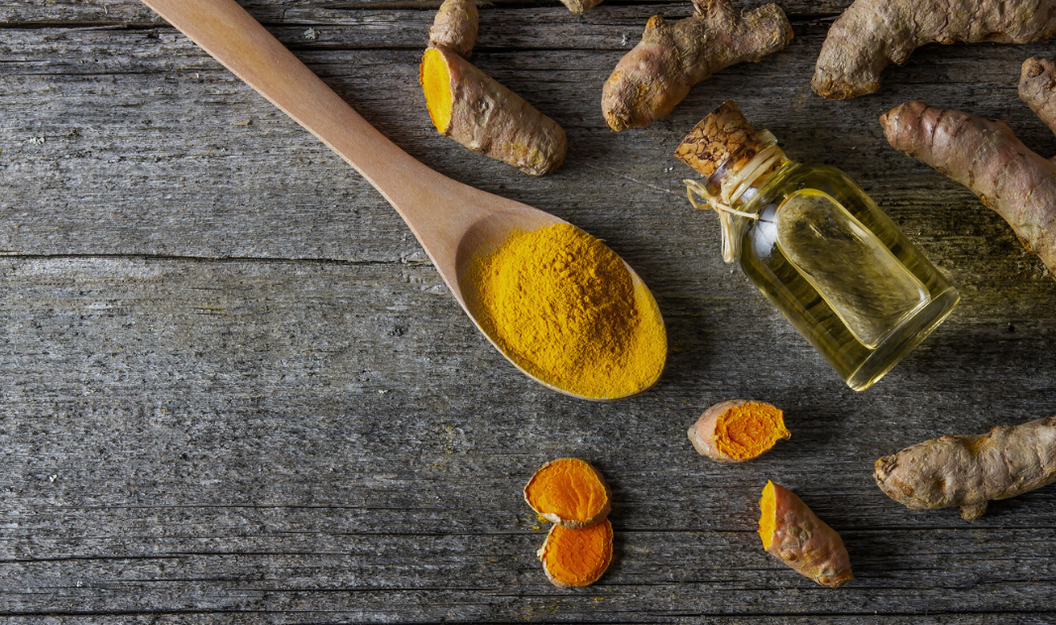
Put simply, an extract is a highly concentrated product. The name derives from the extraction process, during which the final extract is obtained from a raw material. In this process, specific properties are isolated and provided in high concentrations, such as flavourings, plant compounds and colouring agents. These preparations can vary in texture – from solid to powdery to liquid – and influence foodstuffs in terms of flavour, colour and functional properties. Extracts offer manufacturers enormous flexibility: depending on the intended purpose, the desired properties can be precisely controlled. An extract is therefore a product that is precisely tailored, both technically and organoleptically, to the requirements of food production.
In the food sector, there is a wide range of extracts. Plant extracts and flavouring extracts are particularly common. It is important to note that flavouring extracts may contain various flavouring substances. This means that several components of a raw material are used to achieve a high-quality and intense result. Unlike the term ‘flavouring’ on its own, the natural basis is important for extracts. If a particular food is labelled with the term ‘extract’, it must consist solely of the natural raw material and the solvent.
Accordingly, vanilla extract, for example, must have been extracted from a vanilla pod. As well as plant-based extracts, there are also some made from meat.
Essentially, the extraction process always follows the same procedure. Certain solvents cause the desired active ingredient to be extracted from the raw material, for which the raw material is first crushed. The solvent is then added. The appropriate extraction method and choice of solvent depend on the raw material. Common methods are as follows:
Water extraction – is used for water-soluble substances such as tea or coffee in combination with heat
Alcohol extraction – is frequently used for flavouring extracts such as vanilla extract
Oil extraction – is used at room temperature for fat-soluble flavourings
After mixing, the mixture is often heated, then left to stand for a certain period of time, and finally decanted. This separates the raw material from the solvent once again. In some cases, a further extraction of the raw material takes place. The solvent, which contains the extract, is often heated again so that the liquid evaporates and the concentration is increased.
Extracts are widely used in the food industry to enhance the flavour, colour or other characteristics of food. They are used, for example, in baked goods and confectionery, meat and sausage dishes, drinks, ready meals, desserts and spice mixes.
Paprika and turmeric are often extracted for their colouring properties. Yeast extract enhances the flavour, vanilla extract adds aroma, and konjac flour extract thickens the mixture. In addition, with cocoa extract, citrus extract, fruit extract, nutmeg extract and other varieties of flavouring extracts and plant extracts, there is a selection suitable for both sweet and savoury dishes.
For food manufacturers, the use of plant and flavour extracts offers a number of benefits:
Efficiency and productivity: As the desired property of a product has already been extracted, there is no need to use whole raw materials, whether fresh or dried. Often, even small quantities are sufficient to achieve the desired effect. Furthermore, extracts are easy to measure out.
Consistent quality: Whilst fresh food is often subject to fluctuations due to harvests, Region As flavours can vary depending on the season, extracts help to produce a flavour that is as consistent as possible. It is also important that they are distributed evenly throughout the product.
Good shelf life: Whether liquid or dried – extracts often have a long shelf life if stored correctly. As a general rule, extracts should be sealed as airtight as possible and kept in a cool place, away from light.
For food producers, these benefits go hand in hand with greater control and predictability.
This results in delicious food and drink. When extracting pharmaceutically active raw materials, consuming the flavourings can also have physiological benefits – for example, as a plant extract in soothing teas.
To stand out from the competition and meet high standards, delicious, good-quality food is essential. To ensure this is achieved, it is vital to have hygienic production processes, high-quality ingredients, efficient appliances and equipment, as well as suitable Packaging . At Ehlert, you can find all of this conveniently under one roof. From disposable clothing to blending equipment: as supply chain specialists, we are dedicated to tackling the challenges faced by food producers and catering businesses, and our product range helps ensure smooth operations and delicious meals.


More articles