Temperaturmessung in der Lebensmittelproduktion
25. September 2026Read more

2. June 2023
1 June was World Milk Day – reason enough to shine a spotlight on this foodstuff. Without milk and the dairy products derived from it, our diet would be very different. What was needed at the outset was to learn how to digest milk sugar, known as lactose. It was only after people in Europe had become increasingly accustomed to drinking milk that it became what it is today: a delicacy that enriches our diet. This blog post highlights the complex process of milk production. In addition to precision in temperatures and procedures, meticulous hygiene guidelines must also be adhered to.

Whether it’s with cornflakes in the morning, in your coffee or in pastries: milk is a daily staple. And as well as its wonderfully refreshing taste, this drink has other benefits:
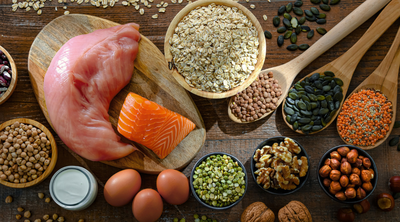
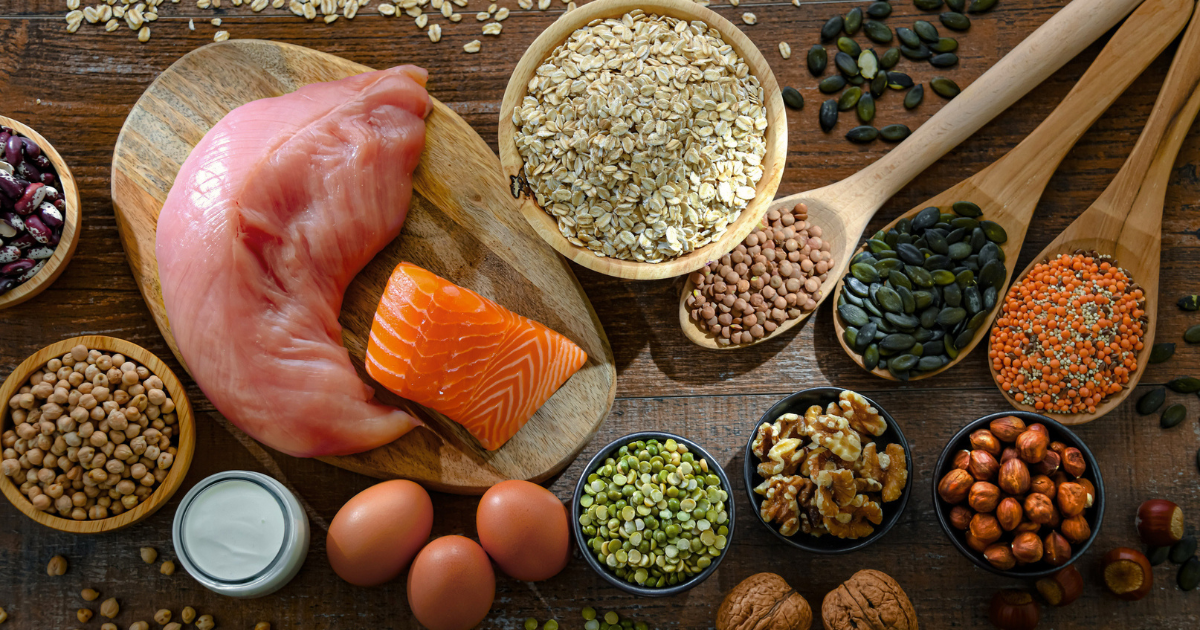
Essential nutrients: Containing protein, vitamins B2 and B12, zinc, calcium, iodine, phosphorus and potassium, milk provides a whole range of beneficial nutrients that are essential for an optimal diet.
Bone strengthening during the growth phase: Children, in particular, need calcium for healthy and strong bone and tooth development. Milk is an excellent source of calcium, but for it to be properly absorbed, it must be combined with vitamin D.
Significant muscle growth: The protein found in milk – and its variants – helps build muscle. Milk also contains all the essential amino acids.
The most commonly consumed type of milk in Germany is cow’s milk. Although milk is also produced from goats and sheep, this is on a significantly smaller scale. To mark World Milk Day, we take a look at the journey raw milk takes from the dairy cow’s udder to the consumer’s table.
Production begins with milking the cows. They can produce up to 50 litres in a single day! The exact process varies depending on the facility. As a rule, with the aid of technical equipment, it takes less than 10 minutes to empty a dairy cow’s udder. Modern facilities are now also able to detect immediately if there is anything wrong with the raw milk. The milk is then cooled, (often) taken to a dairy, where it is cleaned and skimmed. Whether pasteurised or ultra-high-temperature (UHT) treated: to extend its shelf life, the milk undergoes heat treatment. Finally, homogenisation takes place, during which the milk is forced through tiny nozzles. This prevents cream from settling on the surface in future. Now all that remains is the Packaging in milk cartons or bottles. The vast majority of milk cartons sold in supermarkets have undergone this process.
Classic products such as butter, cheese, cream and yoghurt are items that consumers buy directly. But there are also intermediate products that are used to produce other foods. For example, milk powder or lactose. The latter is extracted from whey and added to various foods. But what effect does lactose have? For people with lactose intolerance, the answer is clear: stomach ache and digestive problems. However, people who do not suffer from an intolerance benefit from lactose in a wide variety of ways. It gives food an appealing appearance and also improves the flavour. It helps baked goods to expand in volume. Sports nutrition benefits from lactose’s ability to stabilise and enrich protein. At the same time, it facilitates the absorption of other nutrients, such as calcium. Another positive aspect is its energy-boosting effect. Last but not least, lactose is found as an ingredient in medicines – though in such small quantities that even people with lactose intolerance can take them. Here, it is used as a carrier substance to transport active ingredients.
Can lactose also enhance your food products? We’d be happy to advise you and are on hand with our high-quality range to support your projects.
When one considers the diversity of milk and the multi-stage process it undergoes – from milking through the dairy right up to being poured into a cup – one might actually expect its value to be reflected in its price. Instead, there are repeated reports of falling milk prices and the associated problems in the dairy industry. Whilst a historically high price was still being commanded for this white treasure in the summer of 2022, milk prices have now fallen sharply once again. What is great for consumers threatens the livelihoods of many dairy farmers. This is particularly true as other processed products, such as milk powder, are also becoming consistently cheaper. Usually, cow’s milk with a higher fat content is also more expensive than that with a lower fat content.
World Milk Day or not: whether there are differences in variety or fat content – milk is incredibly versatile. And it offers a wide range of uses. If you, too, work in the food processing industry or would like to, Gustav Ehlert GmbH is your trusted partner. We support you with a wide range of products tailored to your individual requirements. Whether it’s Disposable gloves and hoods to ensure a hygienic production process, cleaning agents to keep the workplace clean, or suitable spices.
Did you know that milk is also often used in the production of sausages? Speaking of sausages: we also stock a wide variety of artificial and natural casings for sausage-making! Please feel free to have a look round and take advantage of our wholesale prices and selection.
As you can see, World Milk Day is a brilliant opportunity to celebrate this versatile food. It’s no coincidence that it’s an integral part of our diet. It offers many beneficial properties in cooking and in many other aspects of a balanced diet. So let’s raise our glasses to this white delicacy and cheers!


More articles