Temperaturmessung in der Lebensmittelproduktion
25. September 2026Read more

2. October 2026
When the scent of nutmeg, cinnamon or cloves is in the air, it gives many people a familiar and comforting sense of warmth. There are various spices that create a sensory impression of warmth whilst also offering aromatic depth. This makes them equally versatile and popular with both the catering industry and food manufacturers. They round off various sausage products, enhance creamy sauces and lend potato products a distinctive character – reason enough to take a closer look at these warm, spicy notes.
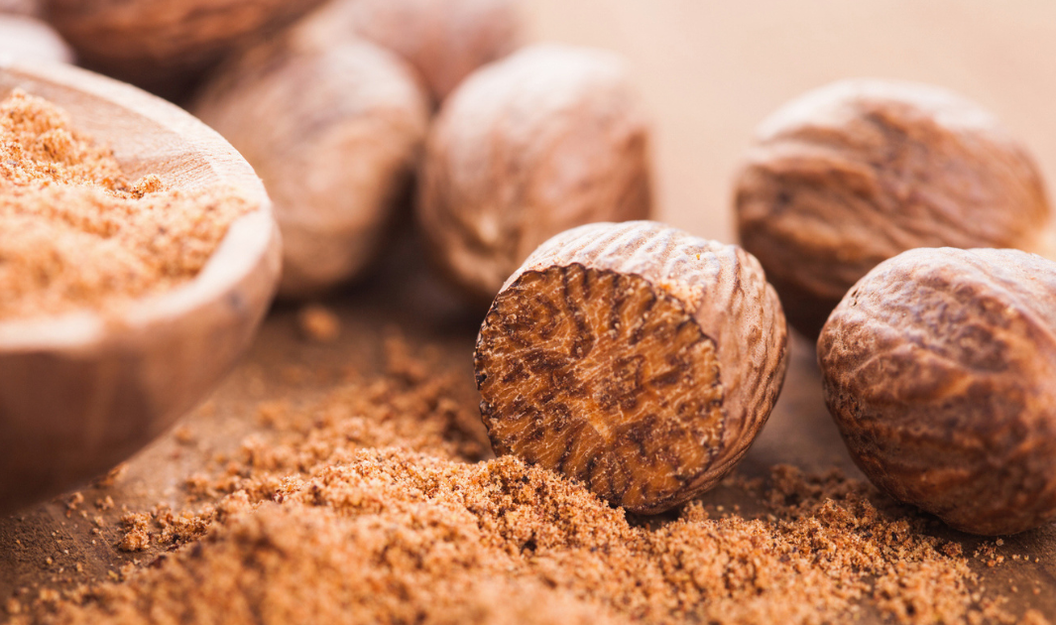
In this context, ‘warm’ does not refer to temperature, but serves as a sensory description. The description is often associated with spicy-sweet, slightly earthy, resinous or even woody notes. These are complemented by floral or roasted aromas. The sensation of warmth arises from a combination of smell, taste, experience and cultural associations – for example, with Stews, spicy biscuits or winter drinks.
Classic spices with warm, aromatic notes include:
Nutmeg and mace
Cardamom
Cinnamon, cloves and allspice
Ginger and galangal
Aniseed, star anise and fennel
Corianderseeds, cumin and pepper
Cardamom occupies a special place due to its diverse nuances. Its aroma is spicy and warming, yet at the same time fresh, slightly citrusy and floral. Certain varieties also have woody or smoky notes. Thanks to its complexity, cardamom can lighten up heavy recipes and complement their hearty character with fresh nuances. The key is to use it in the right balance.
The situation is similar with nutmeg and mace, both of which come from the nutmeg tree Myristica fragrans come from. Nutmeg is the dried seed kernel, whilst mace is the dried, net-like seed coat. In this context, the term ‘nutmeg blossom’ is often used. From a botanical point of view, however, this is misleading: mace is not a blossom.
The flavour of nutmeg is usually described as robust, earthy, resinous and also slightly bitter. Mace, on the other hand, is generally somewhat more delicate, lighter and more elegant. Its spicy aroma combines a gentle sweetness with floral and citrus notes. For robust recipes, nutmeg is often the more suitable choice. Its characteristic flavors are essentially derived from the volatile compounds in its essential oils.
Warm spices are a key ingredient in many recipes, as they give dishes a well-rounded and complex flavour. They bring together salty, sweet, fatty and roasted elements, creating a harmonious balance of flavours. In creamy and high-fat products, the food matrix influences how quickly and intensely the individual flavour notes unfold. Factors such as fat content, viscosity and texture all play a role: a smooth sauce presents spice notes differently to a coarse sausage mixture or a crispy potato product.
For food manufacturers, the use of warm spice notes offers several benefits:
distinctive flavour profiles
aromatic depth without any overt chilli heat
modern touches in classic recipes
seasonal product variants
Suitable for use in savoury and sweet recipes
Whether in boiled sausage, white sausage, liver sausage, pâtés, cooked sausage or fine meat fillings: nutmeg and mace are classic seasonings in sausage-making. Whilst mace lends an elegant, spicy overall flavour, nutmeg adds robust and woody notes.
Which warm spices work best depends on the type of meat, its fat content, how finely it is minced and the desired Texture . Thus, subtle seasoning is more suitable for delicate sausages. Coarse or smoked products, on the other hand, can cope with more robust flavours. A fresh note is created, for example, when a little cardamom is combined with white Pepper, ginger, coriander or mace.
Béchamel sauces, cheese and cream sauces, as well as various soups, also benefit from nutmeg or mace. These spices give them a rich, velvety flavour. Cardamom, on the other hand, particularly enhances modern sauces, curries, chutneys or recipes that are intended to have fresh notes. Warm spices go particularly well with roasted flavours, onions and pepper – something that is especially evident in dark sauces.
Nutmeg is one of the classic spices used in numerous potato products. Mashed potatoes, croquettes, gratins, potato soups, gnocchi and various convenience products gain additional aromatic depth even with just small amounts. If you’re looking for particularly spicy potato snacks, cardamom, coriander seeds, allspice and pepper add interesting flavour notes.
Warm, spicy notes are in demand all year round in sausages, sauces and potato products. They enjoy an additional seasonal peak in autumn and winter, when cinnamon, cloves, allspice and nutmeg are used more frequently in baked goods, drinks, stews and festive treats. Their aroma heralds the height of the Spices of the Advent season one.
As with all ingredients and spices, food producers should bear certain factors in mind. Flavour, grind size, ease of measurement, batch consistency, storage, heat exposure and the timing of addition all influence the final result. Whole spices generally retain their volatile flavour compounds or essential oils for longer, whilst ground spices are easier to measure out and provide a more consistent dosage. Light, oxygen, heat and moisture accelerate the loss of flavour in almost all spices.
It is only the balance between ingredients, spices, preparation and texture that creates a harmonious product. Precise weighing, careful Dosing, thorough mixing and aroma-protected storage help to ensure consistent results.
Many factors are crucial in food production: functional equipment and tools, suitable consumables, trained specialist staff and, last but not least, the right choice of spices. At Ehlert, you can source a wide range of products for professional production processes from a single supplier, from disposable clothing and measuring scoops to mixing troughs. Discover our extensive range, backed by unbeatable service, and benefit from over 100 years’ experience in equipping food processing businesses.