Reinigung von Transportkisten und Mehrwegbehältern
4. September 2026Read more

9. June 2023
We’re all familiar with fast food. In our fast-paced world, rushing between appointments, most of us occasionally turn to food that’s ready to eat in no time at all: takeaways and ready meals are just a couple of examples. Do we have time to read through the individual ingredients or check where they come from? Unthinkable at a time like that. But that is precisely what Slow Food is all about: eating mindfully and savouring food. Valuing food (once again) and pushing for specific standards to be met. In this blog post, we’ll explore what those standards are and what this movement is all about.
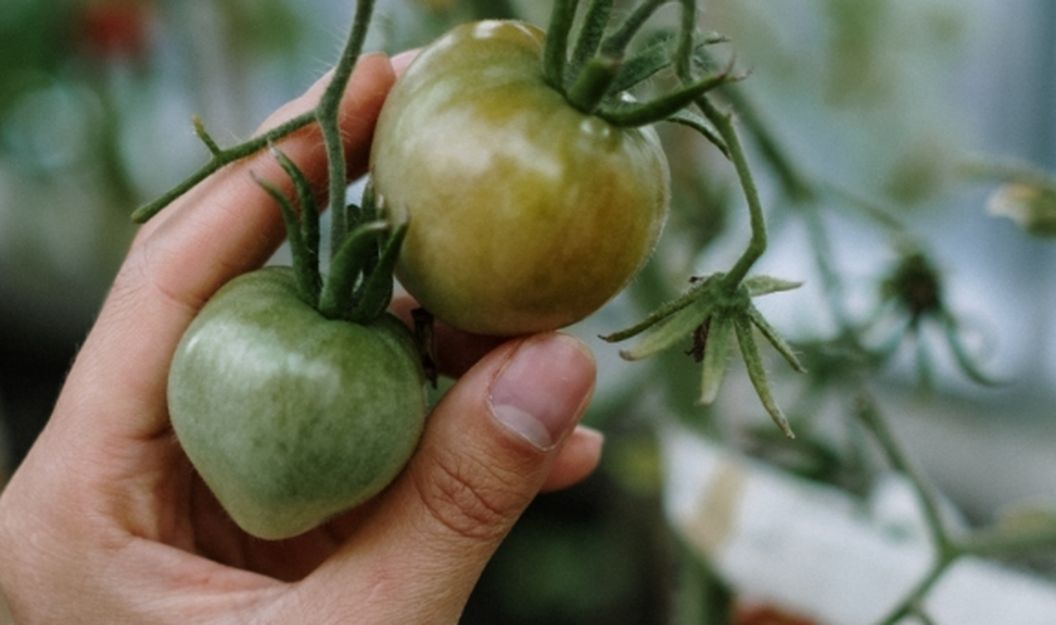
The German translation ‘slow eating’ is likely to evoke a variety of associations. But it’s not just about eating more slowly; it’s about much more than that – it’s a genuine philosophy of eating! This trend from Italy has long since also in German-speaking countries has taken hold and is becoming increasingly significant. The focus is always on the quality and methods of food production. Here, eating is seen not merely as an everyday process for sustaining life, but as something special that is celebrated with pleasure. A nourishment for the mind and soul, if you will. This also involves finding out exactly what is on one’s plate: how was it produced? Where does it come from? Appreciation begins with not taking things for granted. Sharing a meal in company often rounds the whole experience off. Festivals and related cookery courses also take place as part of this movement.
The culinary world of Slow Food is incredibly diverse. Just because the standards for food are higher does not mean that the choice is limited or severely restricted. More than ever, the focus is on varied and intense flavours. It is important that food comes from responsible sources – both in environmental and social terms. In practical terms, this means that neither people, animals nor the environment have been exploited in the production of the food. For the most part, these foods can also be classified as healthy and form part of a balanced diet. Classic examples include:
Food grown or produced locally and regionally: Cheese from a local farm or wine from a regional vineyard, for example, fall within the scope of the Slow Food movement. As well as helping to preserve local traditions and genuine craftsmanship – or small-scale production – these products also benefit from short supply chains.
Seasonal and sustainable food This also includes certain types of fruit that can be grown in a way that conserves resources.
Natural and unprocessed foods: Buying directly from the producer can make a big difference, for example when it comes to milk or eggs.
High-quality and ethically sourced organic products, which are grown without the use of chemicals. You can choose to buy them from the weekly market or from the regional produce section in the supermarket.
Home-made or home-grown food: The small vegetable garden, where children learn from a young age to distinguish between different varieties and to tend to them until they are ready to harvest, is a classic example.
It is not only the origin but also the methods of preparation that play a role, as dishes typical of a particular region are particularly popular within the Slow Food movement. A diversity of flavours combined with the preservation of cultural heritage and the motto ‘quality over quantity’. Eating in the spirit of the Slow Food movement helps to re-establish a connection with the region and with the producer – for example, the farmer who grows the vegetables. This provides direct support for them. Ideally, this approach can also help to reduce food waste.
By the way: It is not just awareness of the food itself that is being raised. The aim is also to heighten awareness of the associated feelings of hunger and fullness.
Whether due to rising food intolerances or changing dietary habits, noticeable changes brought about by climate change, or a growing sense of awareness and responsibility: the trend is towards taking a closer look at food ingredients – as well as the associated information such as country of origin, animal welfare standards for animal products, and so on. What used to be thrown into the shopping trolley on a whim is now often scrutinised for its ingredients. More than one in two Germans say they want to avoid certain additives when shopping. Flavour enhancers, sweeteners and colorings, in particular, are unwelcome among the ingredients. Short ingredient lists and ‘free-from’ foods, on the other hand, are becoming increasingly popular. The ‘no additives’ clean label also inspires confidence. It is therefore no surprise that suppliers are adapting and optimising their product ranges accordingly.
If you are planning to integrate or expand Slow Food into your food processing or catering operations, Gustav Ehlert GmbH can provide you with tailored support. With Slow Food, flavour is a fundamental element. Depending on the food, this can be further enhanced with various spices. We stock a range of spices and herbs to ensure a particularly rich and full-bodied dining experience. Our twist-off jars ensure the products have a long shelf life, helping to reduce food waste. And amongst our machinery and tools, you’ll find equipment to enhance your regional products or to speed up and simplify the production process. With proper care, our high-quality equipment will serve you well for many years, thereby improving your product range in the long term.
To ensure that a meal is an enjoyable experience centred on flavour, mindfulness and appreciation, it must, of course, be presented in a manner befitting fine dining. We offer cutlery, plates and other tableware to ensure your dishes make the perfect first impression.
Ehlert is more than happy to support Slow Food as an alternative vision for food production and to promote not only quality, social responsibility and sustainability, but also a diverse food culture. To ensure the necessary transparency of information, labels are also available in our shop. Let’s get started with a culture of appreciation for food!


More articles