Eiweißreiche Zutaten in der Lebensmittelproduktion
23. October 2026Read more

23. August 2024
Yesterday was World Plant-Based Milk Day – a good reason to take a closer look at the vegan alternatives to traditional cow’s milk. The trend is not new, but it is steadily gaining more followers: the consumption of plant-based milk alternatives is booming. The reasons for this are varied, and the range of products on offer is just as extensive. This blog post explores the different varieties, production processes and health aspects – and, of course, the significance for the food industry.
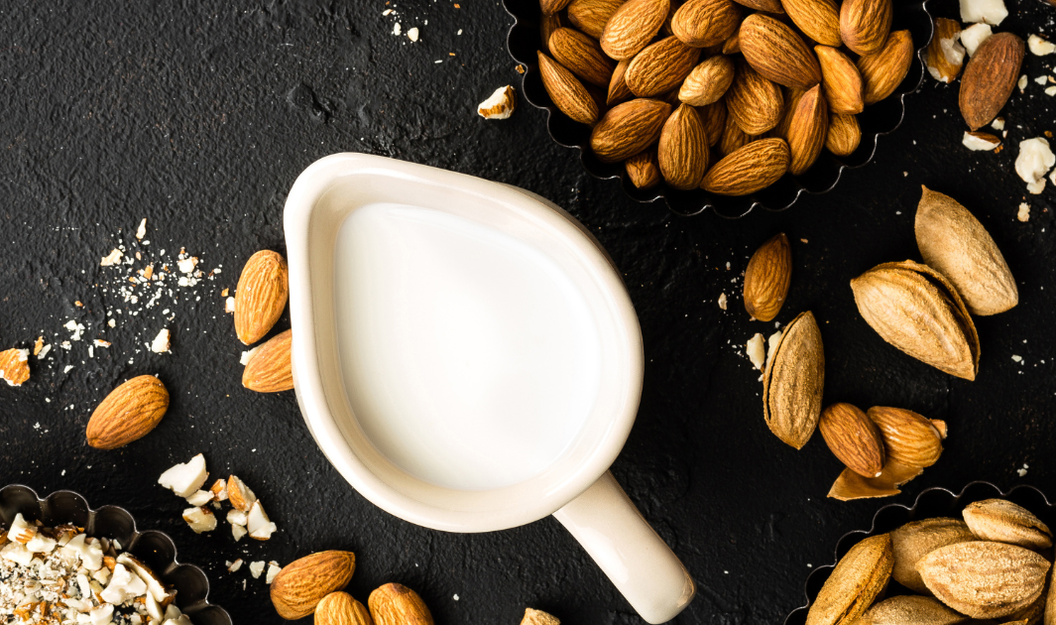
Strictly speaking, the term ‘plant-based milk’ cannot be used in Germany for commercial purposes, as the term ‘milk’ is reserved for products of animal origin. The term ‘drink’ is often used instead, and consumers are now familiar with it. The range of varieties and flavours is extensive – the following are among the most popular:
Almond
Oats
Rice
Coconut
Peas
They all have their own distinctive flavour, some of which is more intense and some less so. Almond milk, for example, has a rather nutty flavour, whilst oat and rice milk can also have a subtly sweet taste. Coconut milk, on the other hand, has an exotic flavour that can enhance a variety of dishes.
In general, the flavour of the various plant-based drinks can also be altered by adding other ingredients. As well as sugar, flavours such as chocolate and vanilla are often available, as are special barista-style variations.
Not all fans of plant-based drinks – which are usually vegan – rely exclusively on them; instead, they use them to supplement their usual dairy products. The growing acceptance and use of plant-based milk alternatives can be attributed to a variety of factors. The most common motivations are the desire to improve animal welfare, climate protection and environmental protection. However, widespread lactose intolerance is also paving the way for plant-based drinks.
However, the issue of environmental and climate protection, in particular, should be examined more closely. Of course, whether plant-based milk can be classified as climate-friendly depends on the specific product, its production methods and the associated growing conditions. Soya cultivation can sometimes lead to monocultures and the deforestation of rainforests. Almonds, on the other hand, require a great deal of water. Compared to animal-based Milk However, CO₂ emissions are much lower. Oats also grow in cooler climates and are produced in a way that conserves resources, as are peas, which are used as the basis for pea milk. Compared with cow’s milk, this therefore results in some significant advantages: milk alternatives perform up to 95 per cent better than cow’s milk in terms of greenhouse gas emissions and land and water consumption.
Here, too, the process naturally depends on the type of plant-based milk in question. Traditionally, however, production is based on methods involving cleaning and preparation, such as soaking, grinding and mixing with water, filtering thoroughly and adding further ingredients. In some cases, pasteurisation is also carried out to ensure a longer Preservation the milk substitute. And finally, bottling it into suitable containers.
Compared to cow’s milk, plant-based milk certainly offers a number of benefits, as a look at the ingredients shows. To begin with, for people with lactose intolerance or a milk protein intolerance, these products generally provide a easily digestible alternative. In addition, they often have a lower fat content and can help reduce LDL cholesterol. Thanks to their calcium and vitamin D content, milk alternatives can even improve bone health. Some varieties are even high in protein, which benefits more than just athletes.
But as with all processed foods, it is important to look at the Packaging and the ingredients listed are crucial. For example, caution is advised where large amounts of added sugar or other additives are present.
Plant-based milk alternatives are booming. Not only do they cut a fine figure as plant-based milks, but they also frequently form the basis for other vegan treats. Whether in the form of sweet treats, pastries or desserts: an oat-based option, for example, is a popular choice. However, alongside the regulations regarding labelling, there is another key factor to bear in mind: the price and how it is determined. Milk is classified as a staple food and is therefore taxed at just 7 per cent, whilst plant-based milk alternatives are classified as drinks and are consequently subject to 19 per cent VAT. However, due to their lower environmental impact, there are repeated calls for an adjustment to the tax rates.
Would you like to specialise in the production of high-quality milk alternatives such as pea milk, hemp milk, almond milk and the like, or products based on these? If so, Gustav Ehlert GmbH would be delighted to support you in this endeavour. Our expertise, gained from many decades in the market, will also provide targeted support for your production – for example, with tailored food-grade clothing or suitable Sweeteners. In our shop, you will find equipment for various sectors of the food industry.
Benefit from the expertise of a supply chain specialist and source your requirements efficiently from a single supplier. Our experts will be happy to advise you and guide you towards the products you require.


More articles