Temperaturmessung in der Lebensmittelproduktion
25. September 2026Read more

20. January 2023
The food industry is currently facing an exceptional situation: extreme weather conditions, pandemic-related crises, a shortage of skilled labour, rising energy prices, inflation and the war in Ukraine are all having an impact on the availability and prices of raw materials. These global challenges are having a particularly severe impact on agricultural products. This is because, in this sector, factors such as extreme weather conditions or the shortage of skilled labour affect not only the flow of goods but also the cultivation of agricultural produce itself. Ensuring the availability of raw materials continues to be regarded as one of the greatest challenges for food manufacturers. How can one respond when agricultural raw materials become scarce and the retail sector is faced with fluctuating prices and availability? After all, it is the right ingredients and spices that are needed to prepare our favourite recipes and dishes, and which give them that special something. The following article discusses current developments and, using a number of examples, highlights the circumstances the food industry is currently facing. Ultimately, the aspects outlined demonstrate the extent to which specialist wholesalers such as Gustav Ehlert GmbH can contribute to greater predictability in the supply of raw materials.

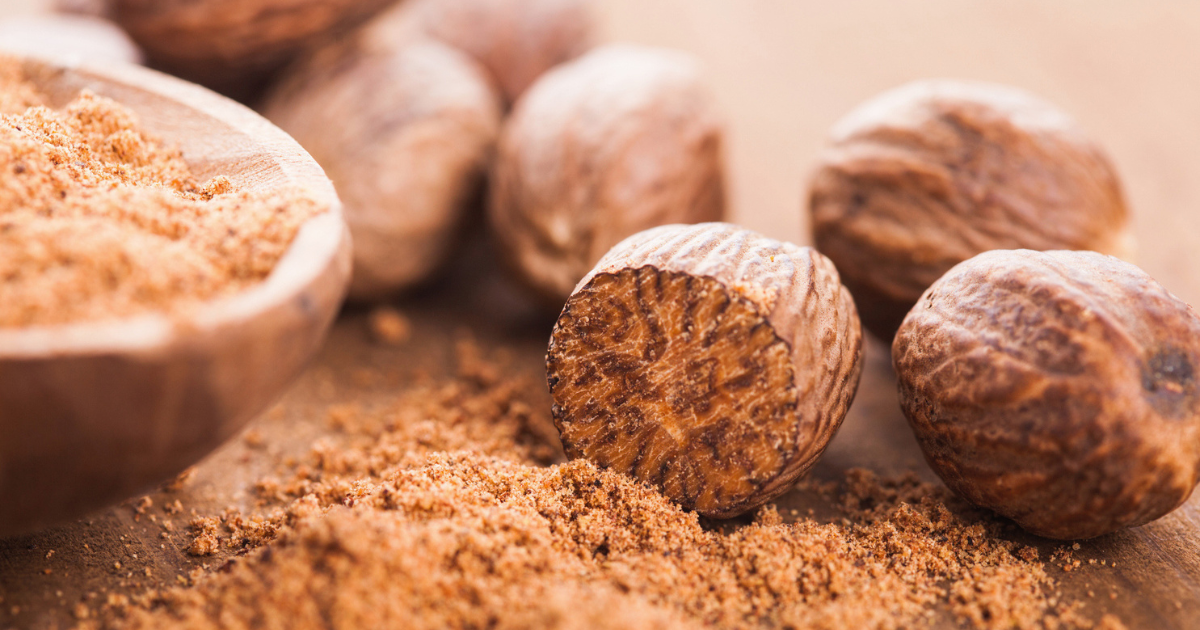
The global crisis is, of course, also making itself felt in the World of Spices This is evident – as the sector, too, must tackle a range of challenges simultaneously. More challenging environmental conditions for growing these precious commodities, caused by climate change, the COVID-19 pandemic and supply disruptions resulting from the war in Ukraine, as well as rising costs for packaging and transport, are just some of the issues currently affecting the sector. The reduced availability of raw materials not only creates challenging conditions for procurement. Rising raw material prices are placing an additional burden on everyone involved in the spice industry.
There are also uncertainties regarding price trends in relation to the processing of spices. In order to preserve the flavour intensity and diverse flavors of high-quality herbs, they must be gently cleaned and dried. Just like the grinding of spices, such processes involve energy-intensive steps which, in times of high energy prices, can result in a not inconsiderable cost factor.
Based on the factors outlined, it is difficult to make predictions about the availability and price trends of spices and herbs for 2023. This is because, in addition to high inflation, these aromatic commodities must not only contend with further challenging conditions on the global commodities market – as natural products, they are also subject to prevailing weather conditions. The wide-ranging challenges involved in sourcing high-quality spices and herbs demonstrate that the food industry finds itself in an exceptional situation, which it must address with innovative solutions well beyond the current year.
In many respects, the market for flour and cereal products is also challenging. By the end of last year, wheat flour had seen a A 63 per cent price increase experienced. The war in Ukraine played a decisive role in this. Russia and Ukraine are major wheat producers, and the conflict between the two countries has led to uncertainty regarding the global availability of this commodity. Within the European Union, however, no supply bottlenecks were expected so far from the major cereal producers, France and Germany. The picture of tight supplies of wheat flour in supermarkets has so far been caused more by increased demand than by a shortage of supply.

More articles
In other parts of the world, however, the situation was quite different. In addition, the extreme cold snap in the US at the end of 2022, for example, led to widespread reductions in crop yields. Events such as these can result in international shortages and price rises.
In this country, the rise in the prices of flour and cereal products is attributable, amongst other things, to the fact that, despite a fairly secure supply situation, German cereal prices are also driven by the world market. Price trends are also influenced by forecasts of weather conditions such as droughts, floods and heavy rain. However, even such forecasts can be based on incorrect underlying assumptions. Most recently, Russia surprised the world market by supplying a Record wheat harvest in 2022 – The increased supply could have an impact on European prices in 2023. Ultimately, however, the wheat market will probably have to brace itself for a fair amount of volatility in the coming year as well.
Cooking oils are essential when preparing meals: whether for frying, baking, cooking or deep-frying – oils are a key ingredient in any flavourful cuisine. Anyone currently interested in Cooking oils and fats However, those wishing to supply the market must continue to expect changing conditions. Prices for edible oils and fats have risen by an average of just over 40 per cent over the past year. Reasons for the current supply bottlenecks include, for example, crop failures in growing regions such as Central and South America. The war in Ukraine is once again playing a key role here: Russia and Ukraine are leading international producers of sunflowers.
Farmers are also expecting costs to remain high and the situation to remain uncertain in 2023 because fertiliser prices rose significantly last year. Even though the availability of this key yield booster has improved and no shortages are currently expected for the current year, uncertainties remain for many producers.
One of the relevant current developments within the food industry is a change in the law. In addition to the tense situation on the global market, German companies have, as of this year, had to comply with the requirements of the the new Supply Chain Act comply with. This is a law that regulates corporate due diligence obligations in supply chains – from raw materials to the finished product.
The aim: to put an end to inhumane working conditions within the supply chain and to prevent exploitative behaviour. To protect human rights within a globalised supply chain, companies must now comply with key regulations and ensure they are met. This involves additional effort, which brings with it a number of further challenges.
There is no doubt that the industry will need to develop innovative solutions in future to overcome major and varied challenges. How can we prepare for these difficult times? How can we ensure the greatest possible security of supply? The possibilities and potential solutions are wide-ranging. One way to achieve greater security is to rely on specialist wholesalers for the supply of raw materials. The following reasons, amongst others, support this approach:
Even if the tense international situation or energy price trends stabilise again, established partnerships and supply chains can help to ensure the continued availability of raw materials. Specialist wholesalers can gain an additional advantage if they have a large network of suppliers. This not only facilitates the procurement of the desired goods but also influences competition in terms of pricing.
Large storage capacities can also help to mitigate supply bottlenecks, as demand can be met from existing stock over a certain period. As soon as the products become available again, the storage capacities can be replenished efficiently and sustainably through forward-planning. Small retailers rarely have large-scale warehouses, whereas wholesalers usually do.
Last but not least, it is a combination of the aspects mentioned and extensive experience that makes all the difference. Forward-looking planning, experienced supply chain management and the right strategies at the right time are key components for overcoming current and future challenges within the food industry.
For further information on supply chains, security of supply or procurement arrangements, please do not hesitate to contact our experts. With over 98 years’ experience as supply chain specialists, we are a competent and reliable partner for the supply of consumables in food production.