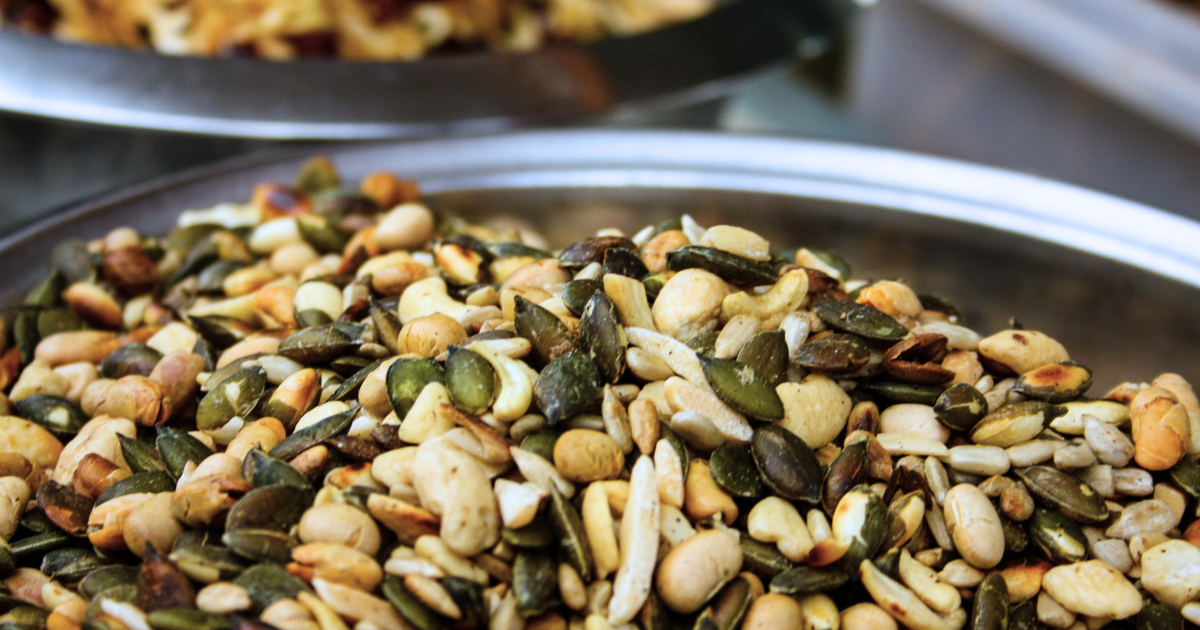
Röstprozesse bei Nüssen, Saaten und Gewürzen
11. September 2026Read more

7. July 2023
Fancy another slice? And perhaps something new for a change? Valuing food as a precious commodity also means looking beyond just the icing on the cake. This is particularly true when it comes to meat consumption. After all, it’s not just about appreciating an animal and a precious product, but also about using it sustainably. For this reason, whole-animal marketing puts more than just the prime cuts in the spotlight. You can find out more about the many positive aspects of this sustainable utilisation principle, as well as the challenges it presents, in this blog article.

More and more people are prioritising sustainability when it comes to meat consumption. Nevertheless, the service counters and chilled display shelves often stock only the most popular cuts, such as steaks or fillets. Whole-animal marketing offers an alternative approach by adopting the ‘nose-to-tail’ philosophy that whole-animal utilisation aims to achieve.
Both whole-carcass marketing and whole-carcass utilisation aim to increase the sustainability of meat consumption, minimise waste and maximise the value of the animal in meat production. The processing of less sought-after cuts brings with it a whole range of benefits.
This approach leads to a greater appreciation of the animals themselves. However, producers and consumers can benefit from a wide range of other advantages if greater emphasis is placed on utilising the whole animal.
The aim of using as many parts of an animal as possible naturally reduces the waste of edible food. And with the Preventing food waste This, in turn, brings with it a whole range of positive effects.
If, when using the meat, one does not focus solely on the finest cuts, the Sustainability in meat production is crucial. The resources used – for example, in rearing the animals – are utilised effectively, thereby improving the environmental footprint of every product that results from this process.
Being able to sell more products from a single animal can bring economic benefits to farmers and butchers through this additional source of income. Above all, this leads to the strengthening of local markets, as it is often smaller producers and businesses that adopt the ‘from nose to tail’ approach.
At first glance, these dishes might not seem particularly appealing, but perhaps they will on second thought: such unusual cuts of meat can actually be packed with nutrients. Beef heart and pork liver, for example, are real nutritional powerhouses.
Generations before us already knew that it is a great virtue to waste as little of an animal as possible. And so we can draw on a wealth of traditional dishes that showcase the widest variety of cuts from an animal. Whether prepared in a classic style or given a modern twist by top chefs – dishes such as braised pork cheek, veal tongue salad or lamb kidneys with garlic butter are not just a treat for the palate.
Whole-animal marketing plays a significant role in paving the way for consumers to adopt more conscious consumption habits. For example, those who are informed about rearing practices, origin, slaughter or the processing plant are more likely to take an interest in the various aspects of the food they consume.
Whole-animal marketing and the ‘nose-to-tail’ approach, when combined with conscious consumer behaviour, promote transparency regarding the origin of food. This instils a greater sense of security and confidence in consumers regarding the quality of the products. This approach can, in turn, be rewarded with increased sales.
Making effective use of what is already available expands one’s own range of offerings. This has the added benefit of reducing dependencies. The importance of this can be particularly emphasised in the context of global crises and shortages, as greater independence can contribute to increased resilience within regional communities.
Whole-animal marketing therefore offers a whole range of benefits – but it also presents a host of challenges that those involved in the value chain must address.
Many consumers prefer certain cuts, such as fillets, and have little interest in offal or fatty tissue. Marketing the whole animal is a challenge because it requires a great deal of commitment – and, consequently, time, resources and the necessary expertise.
There are a number of guidelines governing the handling of animals and the products derived from them. These are necessary to meet the required quality standards. These cover everything from slaughter, through chilling, transport and processing, right through to the labelling of the meat. This can lead to a range of compliance costs, which often pose a particular challenge for small businesses.
The logistical requirements involved in marketing whole carcasses can also be demanding. The storage, refrigeration and transport of meat not only entail investment in infrastructure, but also require specialist knowledge.
As processing a whole animal requires specific knowledge and skills, a further challenge is finding sufficiently trained staff for this task. In addition, there must be sufficient capacity at the cutting plants.
Although whole-animal utilisation is particularly attractive for small farms, this positive endeavour can prove to be a challenge, especially for them. On the one hand, they face price pressure from large-scale producers, who are often able to offer similar or identical products at a lower price. Furthermore, the competitiveness of local producers who wish to specialise in whole-animal marketing is hampered by the price levels set by international competitors.
Whole-animal marketing offers numerous benefits, such as promoting sustainability and supporting local farmers and butchers – which can have positive effects at a regional level. Nevertheless, there are also a number of challenges involved in its implementation, which require creative solutions, good cooperation and targeted support from producers in order to be overcome.
Essentially, producers who wish to use this approach to strengthen their commitment to quality and sustainability must draw up a careful plan, including effective marketing strategies. When it comes to the right equipment for processing or transport, for example, Gustav Ehlert GmbH is on hand with a comprehensive and high-quality range of products.
As a specialist wholesaler, we stock everything you need for whole-carcass marketing. Starting with high-quality Battle supplies about specific butcher knives, packaging materials or transport crates. Even when it comes to aromatic spices that turn even the most unfamiliar meat dish into a delicacy, Ehlert GmbH is the right place to go.
Discover the efficiency of a specialist wholesaler in food production and boost your own – with a one-stop shop for everything you need.


More articles