Sieben und Passieren: Qualität und Konsistenz gezielt steuern
18. September 2026Read more

25. April 2025
The very thought of a wonderfully juicy, tender fillet is enough to make many people’s mouths water. But there is a long way to go before this masterpiece of craftsmanship is neatly presented to delight the palate. Filleting is a true art form that requires not only expertise and precision but also the right equipment. Whether it’s fish, meat or poultry – they all need to be filleted properly to get the very best out of the product and lay the foundations for excellent dishes. This blog post explores every aspect of the craft of filleting – and looks at knives and other tools that are specifically designed to simplify the process.

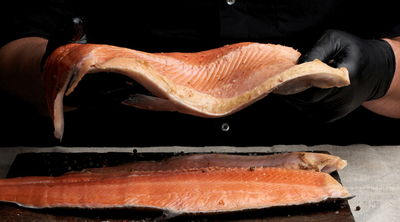
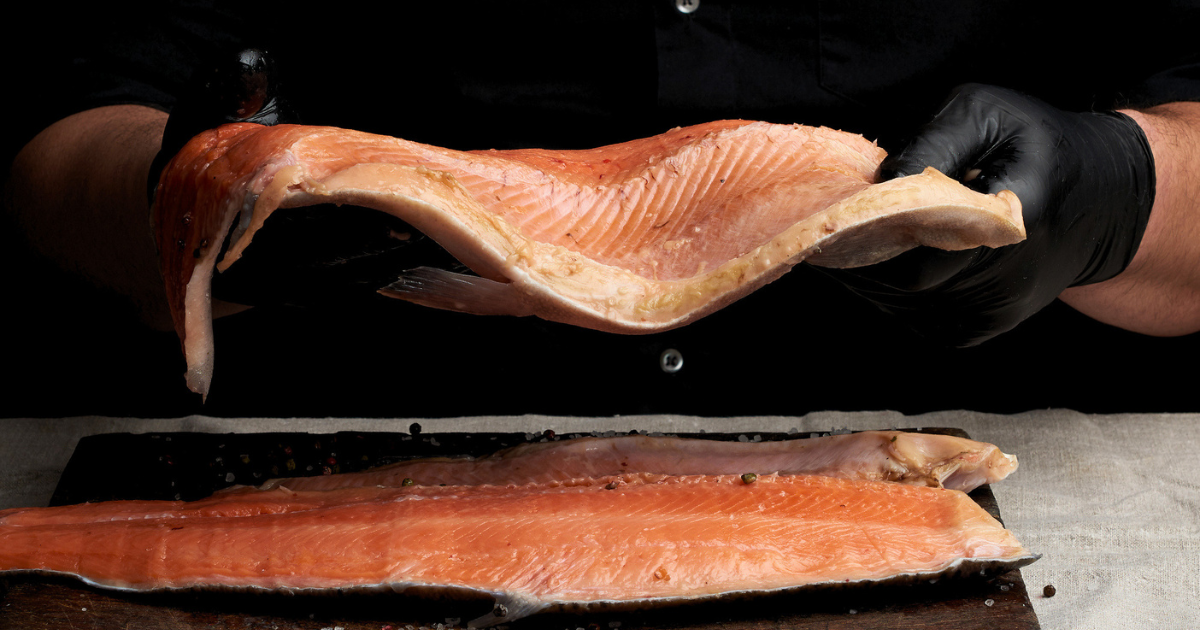
Filleting – a process also known as ‘filleting’ – refers to the careful removal of the highest-quality cuts of meat from an animal carcass. These so-called fillet cuts should be free of bones, skin, tendons and fat. In the case of fish fillets, the central bone and any other bones must be removed. Ideally, this should be done with as little wastage as possible, which is why a careful approach is required. Filleting methods vary depending on the type of animal – the process is used worldwide. Incidentally, the term ‘filleting’ is also used when cutting up citrus fruits.
The process of filleting offers a number of advantages that justify the sometimes considerable effort involved. What are they?
Better quality: When filleting is done successfully, the result is a high-quality cut of meat that is ideal for further preparation.
Higher yield: If the meat is filleted with precision and care, waste is minimised, meaning that the finest cuts of meat can be used in their entirety. The exceptional quality of these cuts also justifies a higher selling price.
Full control: If you fillet the meat yourself and keep an eye on what you’re cutting off, you can decide exactly which parts of the meat to use and which to discard.
A professional impression: Meat that has been neatly filleted and prepared accordingly makes an appealing impression that immediately whets the appetite.
As filleting is all about precision – and sometimes every millimetre counts – having the right tools is crucial when processing meat and fish. The range of equipment for meat and fish processing is correspondingly extensive and versatile. Some highlights from our high-quality range, all of which are characterised by durability, ergonomics and compliance with the highest hygiene standards, are as follows:
Knives: As the name suggests, filleting knives are the essential tool for filleting. They feature a specially curved blade that offers excellent flexibility. This proves its worth as the knife cuts effortlessly along the contours of bones, for example, and enables clean cuts.
Furthermore, filleting knives usually feature an ergonomic handle, which prevents hand fatigue even during prolonged use. In addition, other knives such as boning knives or cutting-up knives can also be useful and practical in certain situations. The knives in our range are also easy to look after, which can lead to considerable time savings in both small and large businesses.
Chopping boards: When filleting, it is not only the knife but also the chopping board that is important for ensuring hygienic and safe preparation. After all, if the knife slips, some of the precious fillet could be lost. Whether chopping boards are made of wood or plastic – each material offers its own unique advantages that go beyond slip resistance and protecting the blades.
In the set focusing on HACCP Sometimes this involves using different colours. This makes it easy to see at a glance which food was cut on which board and Cross-contamination can be handled in a more targeted way. Some of the wooden and aluminium versions feature juice grooves, allowing meat juices or other liquids to drain away.
Fishbone pliers and tweezers: A fish fillet should be free of the central bone and, of course, any other bones. To ensure this, fish bone tweezers or pliers are used. It is also important to ensure that the structure of the fish is not compromised during removal. Here, too, an ergonomic handle has proven its worth.
The finest fillet cuts, free from central bones, bones and tendons, are in high demand in many dishes. When filleting, the need for care is particularly evident. Indeed, it is the guiding principle throughout the food production industry. For this reason, we at Gustav Ehlert GmbH select every product in our range with a critical eye and offer you machinery, equipment and related products that deliver outstanding results in production. We have been a proud part of the industry for over a century. Our range: tailored to your needs.

More articles