Eiweißreiche Zutaten in der Lebensmittelproduktion
23. October 2026Read more

8. May 2026
Whether it’s burger patties, minced pork rolls, fiery chilli con carne or a hearty Bolognese sauce: a wide variety of dishes from all over the world have one ingredient in common: minced meat. From pork to beef to ‘half and half’ – minced meat gives many dishes a special flavour. This classic ingredient has now even been adapted for vegetarian and vegan cuisine. This blog post explores minced meat in various ways and provides an overview of different types of minced meat, as well as storage, preparation and other aspects relating to minced meat.

Minced meat refers to finely chopped meat from which the tendons have been roughly removed; its fat content varies depending on the cut. It is produced in various ways: in the past, meat was placed on a wooden board and scraped into fine slices using a very sharp knife. Nowadays, meat grinders are generally used to produce minced meat.
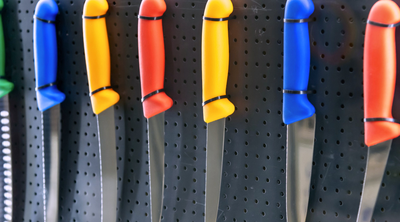
Minced meat consists mainly of minced muscle meat with a natural fat content. The term ‘minced meat’ dates back to a time when fresh meat was chopped using a chopping knife. Whilst the task of mincing meat was once carried out by hand, there are now a range of high-quality, modern machines available. However, in some cultures or for certain dishes, it is still common practice to chop the meat with a chopping knife or by hand. For example, a genuine steak tartare should not be minced, but prepared with a knife.
As minced meat is made from muscle meat, the shoulder, neck or leg are particularly suitable, depending on the type of animal. Mincing also makes it possible to use cuts of meat that are less suitable for cooking as whole pieces.
Depending on their fat content and texture, the different types of minced meat can be used in a wide variety of dishes:
Minced pork It is typically made from shoulder, neck or belly. It must contain no more than 30 per cent fat and is ideal for minced meat dishes such as stuffed peppers or Thüringer Mett.
Minced beef It is made from leaner cuts, such as the leg or selected shoulder cuts. Lightly trimmed of tendons, it has a maximum fat content of 20 per cent. It is therefore leaner than minced pork, but has a stronger flavour. It is traditionally used in the preparation of Bolognese sauce. Very high-quality, lean beef is also used for steak tartare, traditionally finely sliced rather than minced.
Mixed minced meat – also known as ‘half-and-half’ – is a 50/50 mixture of minced beef and pork. The perfect balance between the juiciness of the pork and the intense flavour of the minced beef is much appreciated in meatloaf, meatballs or minced meat patties.
Minced poultry It has a very mild flavour and is low in fat, but it also spoils quickly. It is usually made from chicken or turkey and is popular in Asian cuisine, for example – such as in the form of tsukune yakitori: Japanese meatballs, which can be served on skewers.
Minced veal It is considered to be particularly refined and delicate in flavour, and is used, for example, in veal meatballs, meatloaf or the festive Königsberger Klopse.
Minced lamb With its characteristically intense flavour, it is often used in Middle Eastern minced meat dishes such as köfte – strongly spiced fried, baked or grilled meatballs, meat rolls or even flatbreads.
Minced game meat It may, for example, come from roe deer and wild boar, or be a mixture of the two – and is usually very lean. Fat is often added during processing to improve both the texture and the flavour. The flavour varies significantly depending on the type of game. Minced wild boar meat, for example, has a strong, rustic flavour.
Minced meat is a real all-rounder in the kitchen and really comes into its own when seasoned with the right spices. Whether it’s classics such as salt, Pepper and onions, spices for meatballs and meatloaf, or more unusual variations with Tabasco – minced meat goes well with lots of things.
Minced meat dishes such as Königsberger Klopse remain ever-popular. However, minced meat is a very perishable foodstuff due to its short shelf life. To ensure that raw minced meat could be placed on the market without posing any health risks, the Minced Meat Regulation (HFlV) was in force until 2007. It covered aspects such as the production, handling and placing on the market of minced meat, shredded meat and other minced raw meat. The HFlV was replaced in 2007 by the Animal Foodstuffs Regulation (Animal LMHV) has been replaced. This implements provisions of EU food hygiene legislation. Among other things, it stipulates that minced meat may only be placed on the market in accordance with strict hygiene and refrigeration requirements and must bear a short use-by date.
Minced meat should be cooked, eaten or frozen as soon as possible after purchase. The surface area of minced meat is increased by the production process – mincing in a meat grinder – which makes it an ideal breeding ground for bacteria and other microorganisms.
Due to its large surface area and minced texture, minced meat is particularly susceptible to bacteria and therefore has a limited shelf life. Fresh minced meat from the butcher’s counter should, if possible, be used or eaten on the day of purchase. Pre-packaged minced meat can generally be kept until the use-by date stated – provided the cold chain has been maintained consistently. Cooked minced meat can be kept refrigerated for up to 2 days.
Important: As minced meat is a highly perishable foodstuff, the product should not be consumed after the use-by date has passed.
Ideally, the storage temperature should be between 0 and 2 °C. At home, it is advisable to store minced meat in the coldest part of the fridge – usually on the glass shelf above the vegetable drawer. Pre-packaged minced meat is labelled not only with the use-by date (‘use by’) but also with a storage temperature guide, which you should follow.
Minced meat can also be frozen to extend its shelf life. It is important to use airtight packaging to prevent freezer burn. At a temperature of -18 °C, minced meat – whether raw or cooked – will keep for up to three months. Once defrosted, raw minced meat should be used immediately and cooked thoroughly. It is not advisable to refreeze it whilst it is still raw.
Careful hand hygiene is essential for the hygienic preparation of minced meat. Hands should be washed thoroughly with warm water and soap before and after handling raw meat. The use of disposable gloves may be advisable, but they are no substitute for hand washing and must be changed regularly to prevent the spread of germs.
When handling raw minced meat, it is also crucial to strictly adhere to other hygiene rules: knives, chopping boards, utensils and crockery that have come into contact with the meat must be thoroughly cleaned after each use. This is primarily to Cross-contamination to prevent situations in which pathogens could be transferred to other foodstuffs or surfaces.
As soon as the meat grinder, chopping knife and other utensils are no longer needed, they should be cleaned straight away. Meat residues can act as a breeding ground for microorganisms and lead to contamination when the appliance is used again. It is therefore important to remove all traces of meat from every component – such as the auger, knife, perforated disc, funnel and feed opening.
Cleaning should be carried out using hot water and washing-up liquid to ensure that grease and protein residues are thoroughly removed. The items must then be rinsed thoroughly. Parts that are labelled as dishwasher-safe by the manufacturer can also be washed in the dishwasher. Higher temperatures enhance the cleaning effect, but do not replace thorough pre-washing in the case of heavier soiling.
After cleaning, all components should be dried thoroughly to prevent corrosion and ensure hygienic conditions. Clean and dry surfaces help to inhibit the growth of microorganisms and improve food safety.
As minced meat is particularly perishable, it should be checked carefully before cooking. In particular, the smell, appearance and texture are key factors to consider.
Smell: Fresh minced meat has a neutral to slightly meaty smell. If, however, it develops a sour, sweetish or unpleasantly strong odour, this is a clear sign that it has gone off.
Appearance and texture: Fresh minced meat is loose, slightly moist and does not feel greasy. If, on the other hand, it feels sticky or slimy, it should no longer be used.
Colour: The original colour may vary depending on the type of meat. Minced beef is usually reddish, whilst minced pork tends to be pink. If the meat appears dark overall, has an uneven colour or is patchy, these are signs of spoilage – particularly when combined with a noticeable odour or a change in texture.
With pre-packaged minced meat, some meat juices may collect in the packaging, which is generally normal. However, unusually large amounts of liquid or changes in colour and smell should be treated with caution. If in doubt, do not use the minced meat, as spoiled meat can pose health risks.
Ehlert GmbH and Co. KG has been a trusted name in the supply of consumables and essential goods to the food industry for over 100 years. As supply chain specialists, we offer meat grinders, mixing bowls, hygienic disposable clothing, spices and more. Everything you need, reliably and conveniently from a single source – with Ehlert.


More articles