Zur Farbcodierung von Arbeitsmitteln
28. August 2026Read more

5. September 2025
Dried meat is one of the oldest methods of preserving meat. For centuries, it has been refined into a particularly flavourful foodstuff through salting, seasoning or marinating, followed by drying. These days, dried meat is no longer sought after solely as provisions for outdoor activities or as a food supply in remote regions. Its high protein content, long shelf life and intense flavour have made it a popular product – both as a functional snack and as a delicacy on the delicatessen shelf. Production combines traditional methods with modern processing techniques. This article explores how raw meat is transformed into a long-lasting, flavourful product.
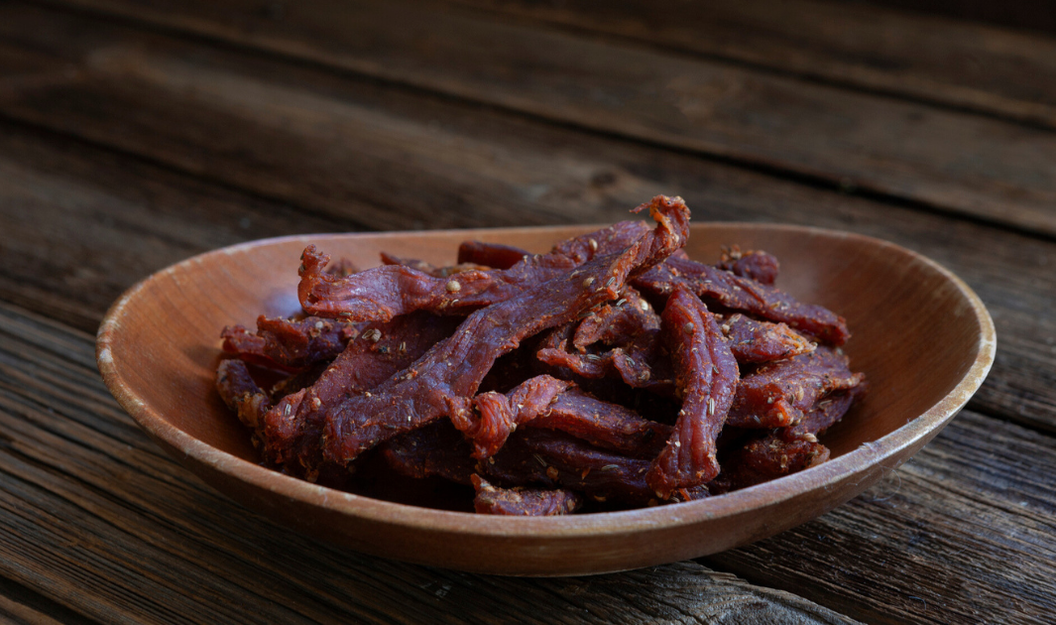
The basic approach is always the same: water is removed from the meat through the drying process, which extends its shelf life and allows its rich flavour to develop. The individual stages of production may vary depending on the type of dried meat. Broadly speaking, the following steps are involved:
Choose meat
The quality of the ingredients determines the end product – and that is certainly the case here. The basis for high-quality dried meat products is good-quality meat. Lean cuts with little fat are preferred. The main reason for this is that fat oxidises more easily, thereby impairing the drying process and, consequently, the shelf life of the products. As well as the classic beef, pork, game, buffalo, poultry such as duck breast, and exotic meats are also popular choices.
Preparation & Seasoning
Once the meat has been trimmed of fat, tendons and connective tissue, it is either processed whole or cut into thin strips. The meat can be pre-treated in various ways, such as the following:
At the Salting The meat is treated with table salt. The salt draws out moisture and acts as a preservative. The method of salting is used, for example, in Valais dried meat and gives the meat a savoury and hearty flavour.
At the Curing The salt used contains additional nitrite and nitrate compounds. These give the meat a rich colour, impart a characteristic cured flavour and help to prevent microbial growth. Bündnerfleisch and various types of raw ham are well-known examples of cured meat products.
Particularly with modern snacks such as jerky or biltong, the thinly sliced strips marinated. To do this, place them in aromatic mixtures of salt, Vinegar, soya sauce, herbs and spices. The result is dried meat snacks with a particularly intense flavour.
Drying
The basic step in the production of dried meat can be carried out using air, heat or even smoke – in an industrial setting, this takes place in special curing rooms or using modern drying systems. The aim is to reduce the water activity so that micro-organisms cannot multiply. Good dried meat can be recognised by the fact that it has a low moisture content without being hard or chewy.
Maturation and packaging
Traditional products often develop their intense flavour through weeks of maturation. In the case of snack products, however, short, controlled drying processes are often used to achieve juicy results. To ensure quality and shelf life, oxygen absorbers can also be added to the airtight packaging.
In Europe, dried meat is often air-dried and consists of whole pieces of muscle that have been treated with salt. Well-known examples include cured Bündnerfleisch and bresaola, an air-dried beef ham from Italy which develops a distinctive flavour thanks to its long maturing process. Dried meat made from pork belly and additionally smoked is also a well-known and popular variety of dried meat in Germany.
Thinly sliced, marinated and dried strips of meat are particularly well known internationally and are becoming increasingly popular here too. Examples include American jerky and biltong from southern Africa, which is traditionally marinated in vinegar and coriander and only sliced after it has matured.
Whether the dried meat is a traditional regional speciality or a modern snack product, it has a high protein content, making it an excellent low-fat source of protein. As it is preserved using salt or suitable marinades, dried meat generally does not require any additional preservatives or flavour enhancers.
Whether as a fine delicacy or a snack for on the go, dried meat combines a traditional preservation method with modern consumer expectations: it is high in protein, full of flavour and has a long shelf life. As a result, it is popular both with foodies in fine dining and as a functional snack for everyday life.
As an experienced specialist wholesaler of supplies and consumables for the food industry, we supply producers with suitable, high-quality equipment. salt, spices, workwear, packaging or the right tools – our range offers you a wide selection to enhance food safety, efficiency and flavour.


More articles