Eiweißreiche Zutaten in der Lebensmittelproduktion
23. October 2026Read more

2. May 2025
Barbecuing is far more than just a cooking method – when it comes to festivals and celebrations, it is a cultural experience enjoyed all over the world. Whether over an open fire, on skewers or on a charcoal barbecue: almost every region of the world celebrates barbecuing with its own techniques, spices and traditions. It’s a fascinating field for anyone involved in food production and preparation. This blog post offers a wealth of inspiration and presents new product ideas for the barbecue.
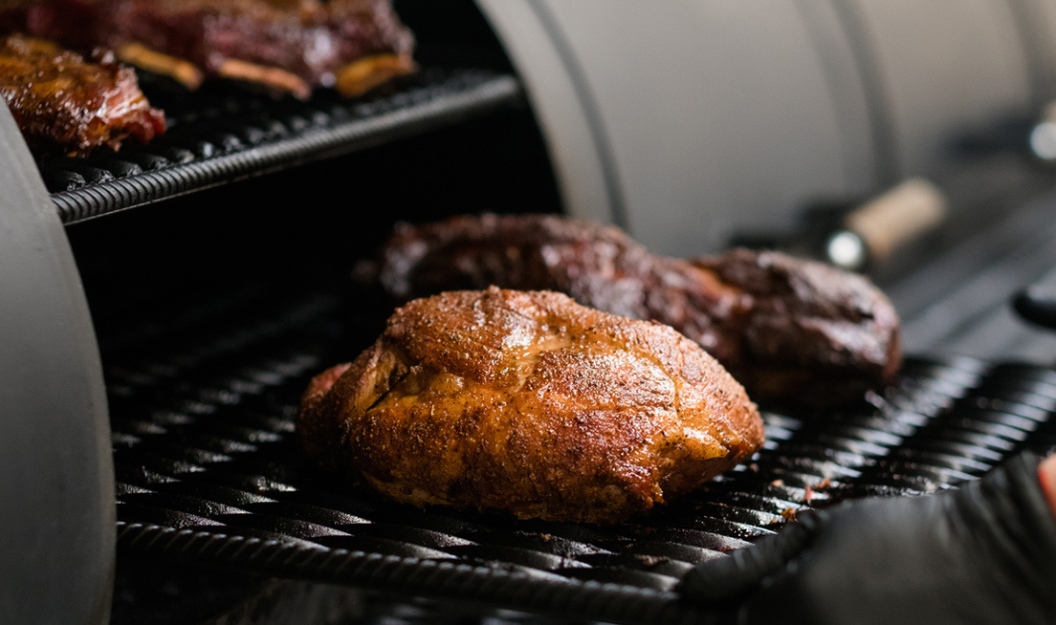
Every region brings with it a wealth of ingredients, techniques and flavour profiles. Whether on dining tables in South Korea, in the grasslands of Argentina or in your own garden during barbecue season – people everywhere barbecue, smoke and cook with passion. A look at the world’s barbecue cultures reveals that, despite individual characteristics, the universal commonalities remain constant: fire, flavour and the joys of being together. Here are a few examples of the differences and similarities in barbecuing:
A traditional method of barbecuing in the USA involves cooking meat over a low heat for a long period of time. When meats such as beef or pork are cooked for hours at a low temperature on the barbecue, the result is a succulent culinary experience. Not only does the meat become particularly tender, but it also takes on an intense smoky flavour. Ready-made marinades, special BBQ rubs used to dry-season meat, fish or vegetables, liquid Smoky flavours Speciality woods are also becoming increasingly popular here. This presents local food producers with the opportunity, for example, to combine the flavour profile of a smoky American BBQ with regional produce.
An asado is an Argentine barbecue ritual lasting several hours. It is a blend of culinary art, tradition and social gathering, during which large cuts of meat or even whole animals are cooked on a metal cross or a special grill rack. Traditionally, the meat is not cooked directly over the embers but beside the fire – a particularly slow, even cooking process that imparts an intense smoky flavour to the meat. Typical cuts of meat include lamb or goat, as well as beef cuts such as ribs or flank. Marinades are generally not used. The focus here is on high-quality meat, which is often simply seasoned with salt is seasoned. There’s no overload of flavours – the focus is on quality, craftsmanship and conviviality. Products that tell a story, have a clear link to their origins and are authentic are a perfect match for this.
Korean BBQ is also a sociable affair – although the meat is usually cut into thin slices so that it cooks quickly. Tender cuts of meat, fermented sauces and a wide variety of side dishes make barbecuing a flavourful experience full of variety. The food is often grilled right at the table – usually on a built-in grill in the centre of the table. This is generally fuelled by gas or charcoal. Popular choices include pickled beef and marinated spare ribs, which are served with side dishes such as kimchi, pickled vegetables or soya bean sprouts. The seasoning is based, for example, on fermented sauces such as gochujang, a spicy chilli paste, or doenjang, a soya bean paste, as well as Soyasauce. The whole thing is eaten wrapped in a lettuce leaf, which is filled with the ingredients and eaten as a small roll.
Barbecuing has always been a popular pastime in Greece and has a long tradition. Souvlaki is particularly popular: tender skewers of pork, chicken or lamb, marinated in a flavourful mixture of olive oil, lemon juice, oregano and garlic. Served in pita bread with tzatziki, fresh onions and tomatoes, this makes for a simple yet no less flavourful barbecue dish. Grilled fish, octopus and prawns also feature prominently – often simply seasoned with a squeeze of lemon, a pinch of sea salt or some delicious Mediterranean seasoned salt.
All over the world, there are countless other specific barbecuing methods alongside these, which differ in terms of preparation and typical ingredients. Here in this country, too, the Barbecuing a summer staple. The Saarland ‘Schwenkbraten’, for example, is regarded as part of the region’s cultural heritage. The term ‘Schwenker’ refers not only to the grill rack but also to the cut of meat itself: a marinated pork chop, which is served, amongst other places, in Mustard, with marinated garlic and onions waiting to be roasted. Alongside this, dry-aged beef, high-quality cuts and creative barbecue accompaniments are becoming increasingly popular.
The ways to barbecue are as varied as the flavors they produce. Whether quick and hot or slow and flavourful: technique, heat source and method of preparation all influence barbecued dishes. Here is a small selection of the possibilities:
Direct vs. indirect barbecuing
With direct grilling, the food is placed directly over the embers or the heat source. This method is therefore ideal for quickly cooking sausages, steaks or kebabs. Indirect grilling is particularly suitable for large cuts of meat that are cooked slowly. The heat source does not come into direct contact with the food, but is positioned to the side or a good distance below it.
Ceramic barbecue
Barbecues made from heat-retaining ceramic are highly heat-resistant and offer precise air control. They can be used for indirect grilling, smoking or even baking. Inspired by Japanese kamado stoves, their versatility makes them an all-rounder for barbecue enthusiasts and professionals alike.
Smoker
A typical BBQ experience in the style of American ‘low and slow’ smoking. Modern models feature automatic temperature control or timer functions. These barbecues combine aromatic smoking with ease of use and consistency – making them the perfect method for long cooking processes that do not require constant monitoring.
Hybrid barbecue
It allows you to barbecue with both charcoal and gas at the same time. The combination barbecue combines the traditional barbecuing experience with modern efficiency – as the gas burner ensures rapid heating and precise heat control.
Gas roaster
These roasters are best known for their ability to cook large quantities of sausages, steaks or even stir-fries quickly and efficiently. Modern models feature burners with adjustable settings, robust stainless-steel housings and optional grill inserts. Gas roasters may be less romantic than a charcoal barbecue, but they are real workhorses offering reliable performance.
The market offers a range of other functional barbecue technology. Generally speaking, modern innovations make it possible to combine authentic barbecuing experiences with technological sophistication. The result: authentic flavour – but with greater convenience, control and efficiency during cooking.
For many consumers these days, barbecuing is all about mindful enjoyment, sustainable choices and transparency. The range of plant-based alternatives, such as vegan sausages, marinated tofu skewers and grilled vegetable steaks, is constantly growing – often inspired by international barbecue dishes. There is also a desire for natural ingredients. Clean Labels And traceable origins of products are also becoming increasingly popular when it comes to barbecue food.
Barbecuing inspires and brings people together all over the world. Drawing on the wealth of experience from diverse barbecuing traditions, there are ever-increasing possibilities for the delicious dishes that will fill the air with their aromatic scents during the coming barbecue season. From authentic international barbecuing methods to rich marinades and plant-based alternatives – the possibilities are endless.
With our wide range of supplies and consumables for food production, you can make the most of the vast potential of barbecuing. Whether it’s machinery and equipment, packaging solutions or the right food-grade clothing – Ehlert guides you systematically towards culinary enjoyment.


More articles