Fermentieren
9. May 2025Read more

19. December 2025
They are synonymous with luxury and exquisite indulgence – which is why they tend to appear on the table mainly at festive times or in high-end restaurants. The rock oyster, in particular, is regarded as an exclusive and highly sought-after delicacy. What journey do oysters undertake before they can be enjoyed, and what are the key considerations when it comes to professional handling? In this blog post, we take a closer look at oysters.
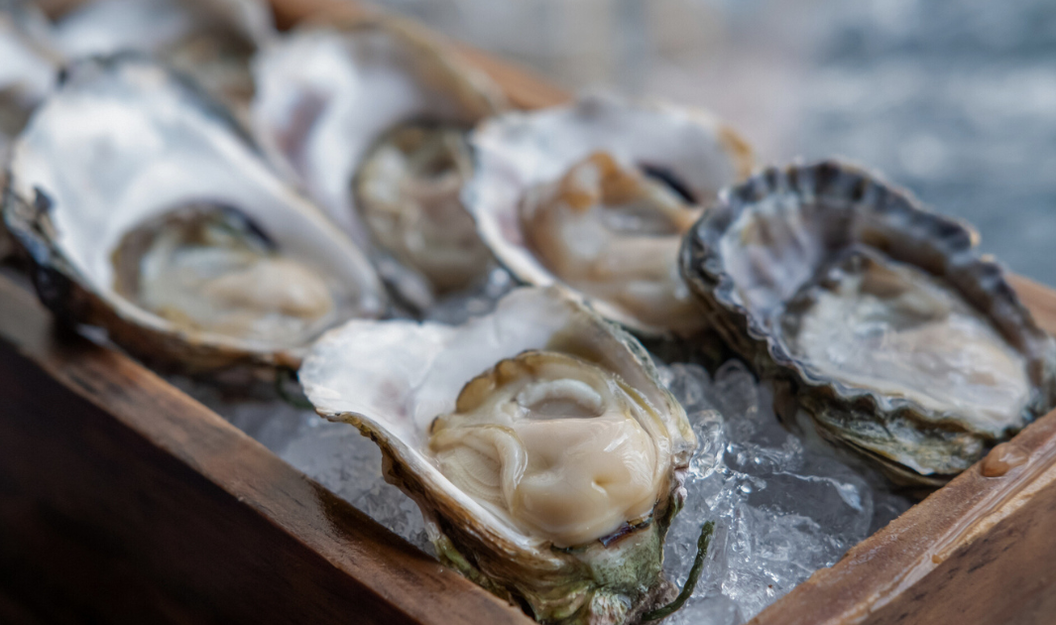
Oysters are bivalves that belong to the phylum Mollusca. Their preferred habitat is coastal marine regions. There, they find ideal conditions, as they filter seawater to feed. In this way, they take up nutrients, for example via microalgae . This is one of the reasons why their flavour is often salty, and sometimes slightly nutty – depending entirely on their exact origin.
Although there are over 100 species of oyster, the trade primarily distinguishes between two species: the Pacific oyster, including the particularly fine Gillardeau strain, and the European oyster. They differ, for example, in that the European oyster is flatter, whilst the Pacific oyster is known above all for its rapid growth and hardiness.
The Pacific oyster, also known as the rock oyster, is – as its name suggests – native to the Pacific Ocean; more specifically, to the coastal regions of Japan and China. However, due to high demand, these oysters are now farmed all year round and across the globe. In the wild, they grow in large groups on so-called oyster beds along shallow coastlines. These colonies can also be created artificially, or the oysters can be farmed in controlled aquaculture systems. The majority of oysters now available on the market come from such aquaculture systems. A key advantage is the controlled growth, which ensures consistent quality. Rock oysters are particularly well suited to this method of farming.
Thanks to the optimised conditions in artificial oyster farming, the growth of the oysters is accelerated as much as possible. Nevertheless, it can take up to four years for the oysters to reach the size required for sale. Establishing oyster beds requires a suitable substrate on which the larvae can attach themselves – they prefer hard surfaces for this purpose. Whilst they are growing, they are regularly removed from the water or turned. Among other things, this promotes even shell growth and prevents them from fusing together. Once the oysters have reached harvestable size, they are detached using rakes, nets or ropes. They are then harvested either using specialised machinery or by hand.
The most important conditions for successful oyster farming include the following:
consistent water quality
sufficient flow
high content of nutrient-rich plankton
controlled stocking density
Protection from predators
They are then transferred to a settling tank for a few days to ensure an unadulterated flavour. The farming of particularly high-quality rock oysters, such as the famous Gillardeau, often takes place under exceptionally strict farming conditions. As a special brand mark, each oyster is then laser-engraved.
If fresh oysters are on offer, they are alive. Ideally, they should be eaten as soon as possible. Traditionally, they are served raw, garnished with Lemon, served on a bed of seaweed or with Pepper seasoned. It is also common to serve them with a light sauce. Once opened with an oyster knife, it is time to enjoy them.
The traditional practice of slurping the oyster meat from the shell may seem a little strange the first time round, but it is rewarded with an intense flavour. This depends on the origin of the oysters and ranges from salty and buttery to subtly nutty. The Gillardeau oyster is even said to have a slightly sweet note. In terms of texture, the meat is often less soft than expected – yet still tender. Oysters are also rich in nutrients, proteins and vitamins, which is why many people consider them a superfood.
As with all foodstuffs – particularly those from the sea – optimal hygiene and expert handling are essential when it comes to oysters. The use of disposable clothing and cold-protective clothing are examples of how Ehlert ensures the oysters make their way onto the plates.
As a popular dish for special occasions, it is often enjoyed in the run-up to the festive season. And in the run-up to the festivities, it is important not only to maintain the cold chain but also to use suitable packaging and ensure a sterile working environment. With our range of cleaning products, you’ll be well equipped.
As supply chain specialists with decades of market experience, we offer the right products for the manufacture of a wide range of foodstuffs. As a manufacturer, you can benefit from the consistent supply of thousands of items – and please do not hesitate to seek our expert advice should you have any queries.


More articles