Schneideunterlagen
21. August 2026Read more

16. October 2026
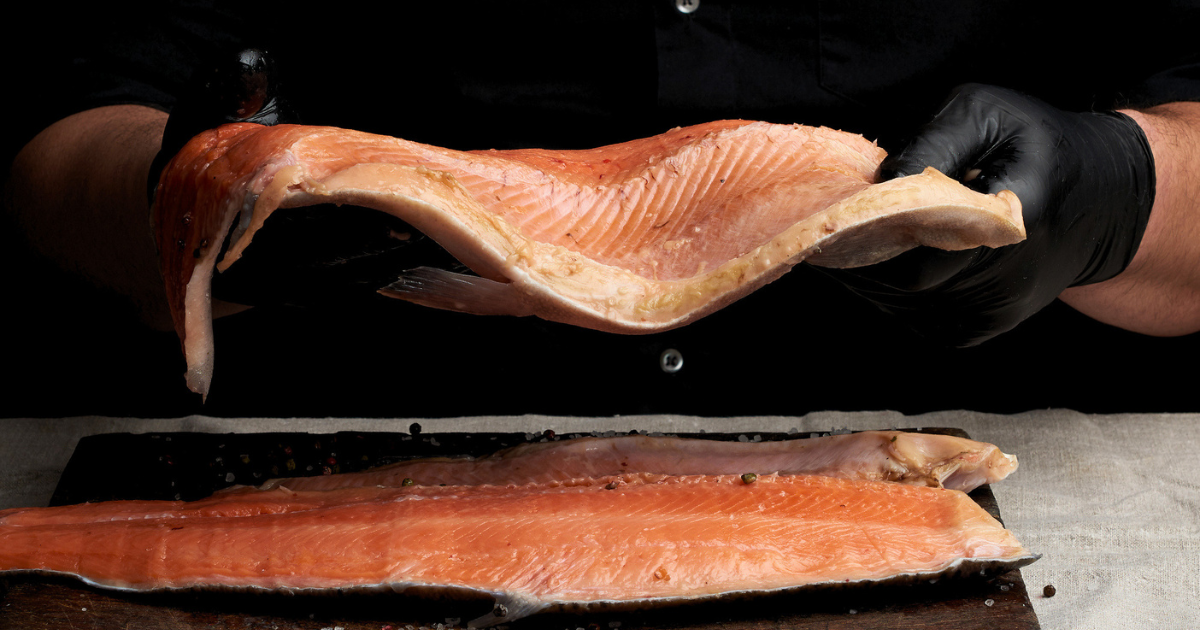
Cleanly filleted, high-quality fish fillets require more than just experience and good cutting technique. Knives, work surfaces and hygiene in the workplace also influence the end result. This is particularly true in a professional setting, where large quantities of fish are sometimes processed, consistent quality standards must be met and safe procedures must be ensured. We take a look at some of the requirements that come into play when filleting fish.
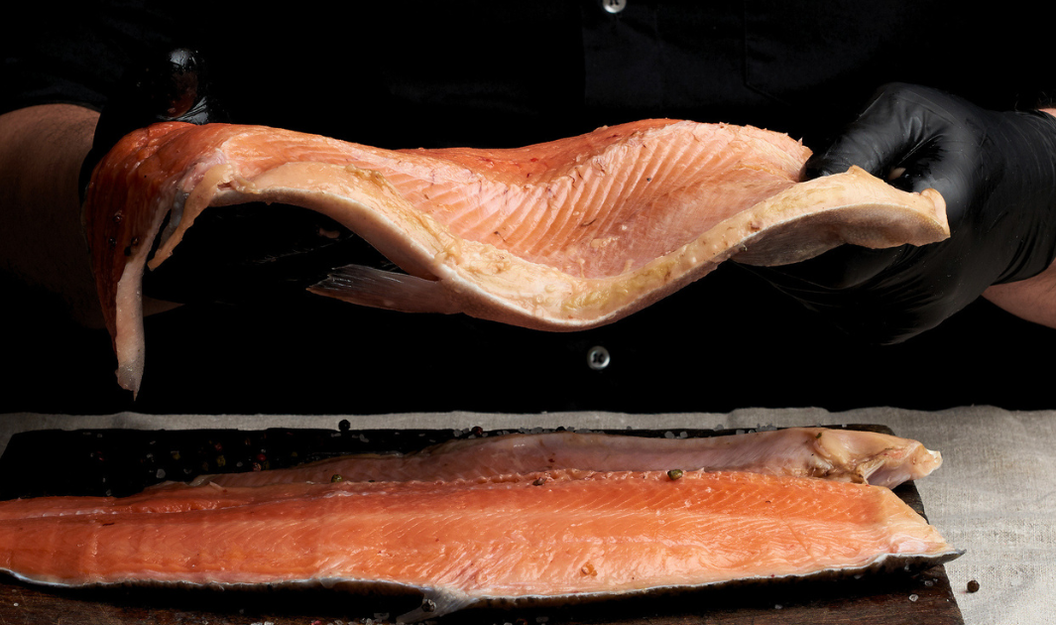
At the Filleting The fish flesh is removed from the carcass along the bone structure. Narrow knives that can be guided with precision are usually used for this. The appropriate blade length and flexibility depend on the species of fish, its size and the specific stage of the process.
Flexible filleting knives can be guided easily along the natural shape of the fish and the course of the bones. For large fish, sturdy skeletal structures or preparatory cuts, sturdier knives may also be required. Long blades are often used for skinning, as they allow the flesh to be separated from the skin as evenly as possible.
Various knives and suitable accessories can therefore be used for professional preparation and filleting:
Flexible filleting knives for removing the fish flesh
more robust knives for preliminary cutting
Skinning knife for removing the skin from fillets
Tools for sharpening and honing blades
To ensure quality and health and safety, it is important that the knife is suitable for the intended task. A particular model is not automatically the best choice for the entire process of producing high-quality fillets.
Sharp knives can be guided through the fish with less effort. Controlled, clean cuts thus help to ensure that the surfaces of the fillets remain as smooth and undamaged as possible. With blunt blades and a lot of pressure, guiding the knife is far more difficult.
The condition of the cutting edge therefore affects both product quality and health and safety at work. Knives should therefore be checked regularly and, where necessary, professionally resharpened or honed. How to do this Sharpening and honing knives How this is to be carried out depends in particular on the type of knife and the blade material.
As well as the blade, the handle also deserves attention. It should sit securely in the hand, ideally be ergonomically shaped, free from damage and easy to clean. As filleting fish usually involves moisture, fat and fish scraps, a good grip is particularly important. Damaged or loose handles compromise safe handling, which is why these knives should no longer be used.
Anyone wishing to entrust the maintenance of their knives to experienced hands can make use of our professional sharpening and repair service.
Fish and fillets can easily slip on unsuitable work surfaces. The right equipment, on the other hand, reduces this risk and helps you guide the knife with precision. Furthermore, work surfaces should be large enough to ensure that the fish or fish pieces rest completely on them and that there is sufficient space to work.
The Cutting mat must be suitable for food contact and must be capable of being cleaned and, where necessary, disinfected in accordance with the establishment’s hygiene guidelines. Deep grooves, cracks or other damage make cleaning more difficult. Surfaces subject to heavy wear and tear should be checked in this regard and, if necessary, replaced in good time.
In addition, the correct positioning and, where necessary, securing of the underlay can be important. Anti-slip designs or other suitable securing devices help to prevent it from slipping whilst you are working.
Colour-coded Cutting mats help to ensure that work equipment is allocated to designated work and hygiene areas. It is crucial that the company’s colour-coding system is clearly defined, documented and consistently implemented by staff.
Fish is a highly perishable foodstuff and, during the filleting process, comes into contact with hands, knives, work surfaces and containers. A hygienic workplace is therefore an integral part of the filleting process.
The following points, amongst others, are relevant to ensuring a hygienic filleting area:
clean and suitable knives, cutting boards and other utensils
Compliance with hygiene regulations regarding hand hygiene and protective clothing
Separation of raw materials, fillets, usable by-products and waste
suitable containers for the respective products and waste
Compliance with established cleaning procedures
Compliance with the required temperature conditions
Ensuring that cooling is properly managed during storage and processing forms part of the business’s hygiene policy. The applicable temperature requirements depend on the product, the process, and the relevant food safety and operational guidelines.
Depending on the risk assessment, gloves offering protection against punctures and cuts may be required when filleting. These must also be suitable for the specific task and easy to clean. However, protective gloves are no substitute for proper training in the safe handling of knives.
In addition, ergonomic factors in the workplace are important. A suitable working height, short reach distances and easily accessible containers can reduce unnecessary movements or unhealthy postures. A well-designed workplace is particularly beneficial for repetitive tasks.
In professional filleting, the choice of tools, workplace design and hygiene are all closely interlinked. With a reliable, full-service supply chain specialist for consumables and supplies such as ourselves, you can source everything you need from a single provider. Professional, experienced and reliable.


More articles